




A Legacy in a Glass
Before air conditioners hummed in every window and refrigerators were stocked with carbonated drinks, there was the sherbet. The word itself, derived from the Persian 'sharbat,' hints at a rich history spanning empires and trade routes. But in an Indian
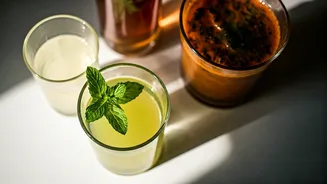
home, a sherbet is far more than a sweet beverage. It is a vessel of tradition, a form of liquid hospitality, and a potent, time-tested remedy for the punishing summer heat. These drinks are crafted not just for taste, but for effect. They are complex concoctions of fruit pulps, flower extracts, spices, and herbs, each ingredient chosen for its ability to cool the body and replenish what the sun takes away. From the clinking of glasses on a lazy afternoon to the first soothing sip that cuts through the day's swelter, sherbets are an integral part of our collective summer story.
The Tangy King: Aam Panna
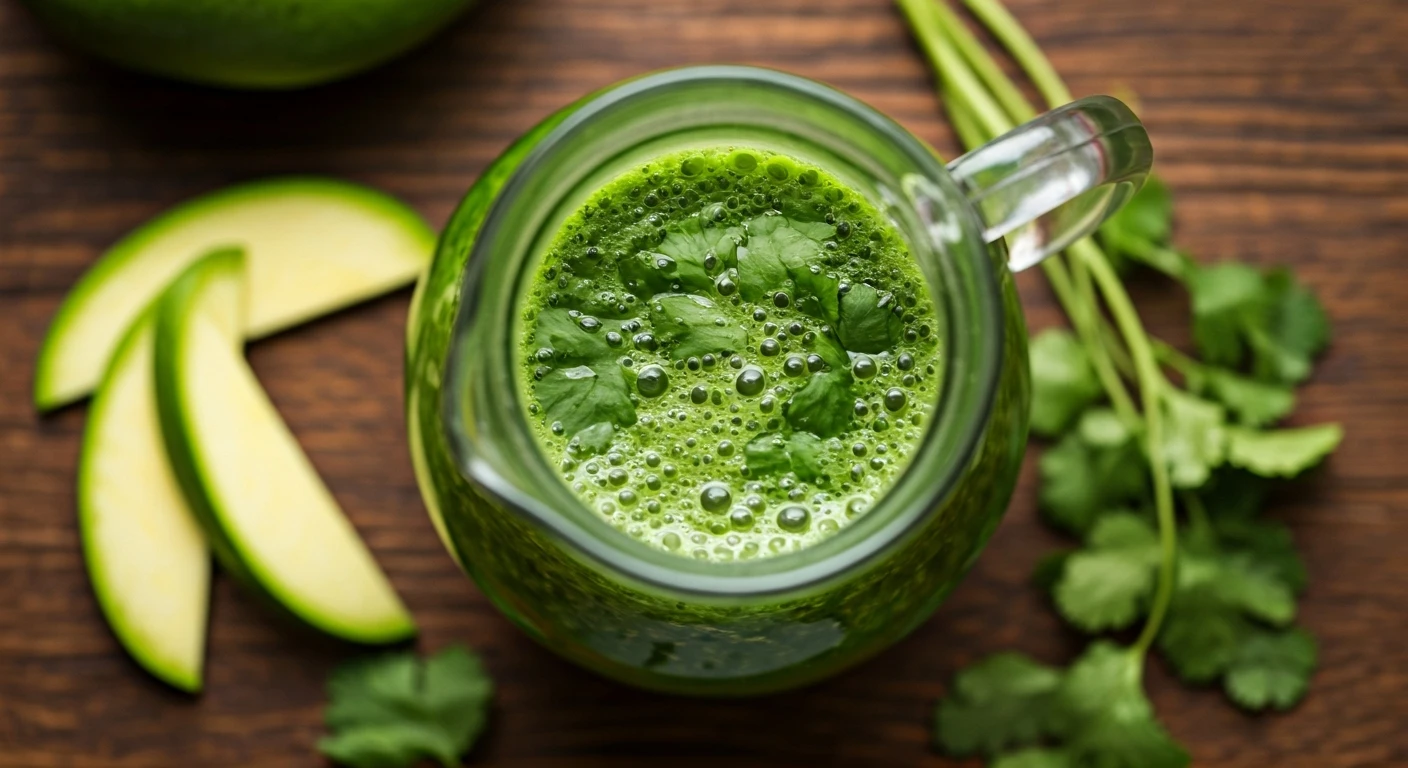
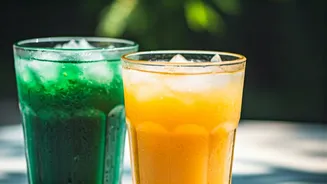
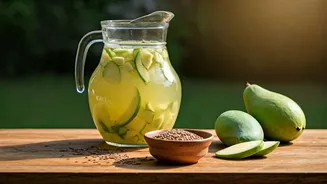
No discussion of summer drinks is complete without paying homage to Aam Panna. Made from the pulp of tart, raw green mangoes, this North Indian classic is summer’s first line of defence. The mangoes are boiled or roasted until soft, their pulp blended with fresh mint, roasted cumin powder, and black salt (kala namak). The result is a perfect balance of tangy, sweet, spicy, and savoury. More than just a flavour explosion, Aam Panna is traditionally valued for its ability to prevent heat stroke and dehydration. The raw mango provides a dose of Vitamin C, while the salts and minerals replenish the electrolytes lost through sweat. It’s the taste of school holidays, of grandmothers insisting you have a glass before stepping out to play.
Coastal Cool: Kokum and Bel
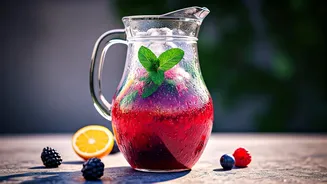
Travel down to India’s western coast, and you’ll find a different kind of summer quencher: Kokum sherbet. Made from the deep purple fruit of the Garcinia indica tree, this drink is a Konkan specialty. The dried rind of the fruit is soaked to release its sour, slightly astringent flavour and brilliant crimson hue. Sweetened with jaggery and sometimes spiced with a hint of cumin, kokum is celebrated for its digestive and cooling properties. Meanwhile, further inland, the Bel (or wood apple) reigns. Cracking open its hard, woody shell reveals a fragrant, fibrous pulp. This pulp is soaked, mashed, and strained to create a thick, earthy sherbet believed to soothe the stomach and cool the system. The Bel sherbet doesn’t have the instant tangy appeal of Aam Panna; it’s a more subdued, functional, and deeply traditional flavour.
The Scent of Rain: Khus Sherbet
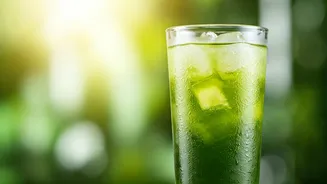
Perhaps the most poetic of all Indian sherbets is Khus. This dark green syrup is not made from a fruit, but from the roots of vetiver grass. The process involves extracting the essential oil from the roots, which carry the deep, earthy fragrance reminiscent of the first monsoon rains hitting dry soil. When mixed with chilled water, Khus sherbet is an experience for all the senses. It has a unique, woody, and intensely aromatic flavour that is instantly cooling. In Ayurveda, khus is prized for its ability to calm the mind and reduce body heat. A glass of Khus sherbet is like drinking a cool, shaded forest glade—a true escape from the scorching world outside.
Why They Still Matter
In an era of imported sodas and pre-packaged juices, why bother with these traditional preparations? Because they are designed for our climate and our bodies. Unlike sugary sodas that can lead to further dehydration, these sherbets are built on a foundation of natural ingredients, electrolytes, and vitamins. The black salt replenishes sodium, the jaggery provides a slower energy release than refined sugar, and the core ingredients—mango, kokum, bel, khus—all come with their own set of traditionally understood benefits. They are a testament to a time when food was also medicine, and when quenching thirst was an art form.