






An Ambitious Vision Takes Flight
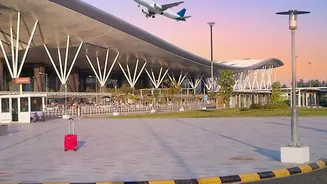
India's aviation landscape is undergoing a historic transformation. The number of operational airports has surged from just 74 in 2014 to over 165 by mid-2026. This rapid expansion is part of a deliberate national strategy to democratise air travel. At
its core is the Ude Desh ka Aam Naagrik (UDAN) scheme, a regional connectivity initiative designed to make flying accessible and affordable. Looking ahead, the government plans to develop 100 new airports over the next decade, with an investment of around ₹30,000 crore under a modified UDAN framework running until 2036. The goal is not just to build runways, but to create a robust network that connects even the most remote parts of the country, from the Himalayan regions to island territories.
Economic Engines in Tier-2 and Tier-3 Cities
A new airport is far more than just a piece of infrastructure; it’s an economic engine. For every ₹100 spent on air transport, it is estimated to generate around ₹325 in economic activity. This impact is most profound in Tier-2 and Tier-3 cities. The arrival of air connectivity acts as a powerful magnet for investment, boosting sectors like hospitality, logistics, and local manufacturing. It also creates direct and indirect employment, with air connectivity having an estimated employment multiplier of 6.1. As seen in cities like Surat, Ranchi, and Coimbatore, improved air access makes these regions more attractive for business headquarters, conferences, and talent migration, sparking a cycle of growth that extends to the local real estate market and beyond.
Connecting Commerce and Culture
Beyond the economic numbers, the expansion of air travel is weaving the country closer together socially and culturally. Previously distant pilgrimage sites and tourist destinations are becoming accessible for weekend trips, giving a significant boost to domestic tourism. This enhanced connectivity also has a profound impact on citizens' lives, improving access to specialised healthcare and educational institutions that were once a long and arduous journey away. For people in smaller towns, flying from a nearby airport instead of travelling for hours to a metro hub is a game-changer. This integration helps bridge the urban-rural divide, connecting diverse communities and fostering a stronger sense of national identity.
Navigating the Potential Turbulence
While the vision is ambitious, the path is not without its challenges. The primary concern is the long-term commercial sustainability of these new regional routes. Many routes under the UDAN scheme rely on Viability Gap Funding (VGF), a government subsidy to keep them operational. The real test will be whether these routes can generate enough passenger demand to become self-sufficient. There is a risk of creating 'ghost airports' if demand doesn't materialize, and some routes have already been discontinued due to weak traffic. Furthermore, ensuring the availability of smaller aircraft suitable for these short-haul routes remains a persistent challenge for airlines. Balancing rapid expansion with financial prudence and operational reality will be critical.