


A New Era on Indian Roads
For decades, the Indian car market was a straightforward battle fought with petrol and diesel engines. That era is definitively over. In August 2026, the combined market share of cleaner alternatives—including compressed natural gas (CNG), hybrid-electric,
and full battery-electric vehicles (EVs)—surpassed that of petrol-powered cars for the first time. Alternative fuels captured nearly 42% of the market, driven by rising fuel costs, government incentives, and a wider array of consumer choices. This is not just a trend; it's a fundamental restructuring of the competitive landscape, forcing every automaker to rethink its strategy.
Tata’s All-In Bet on EVs
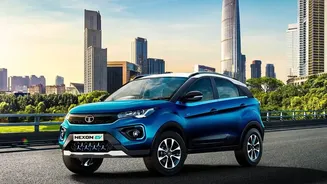
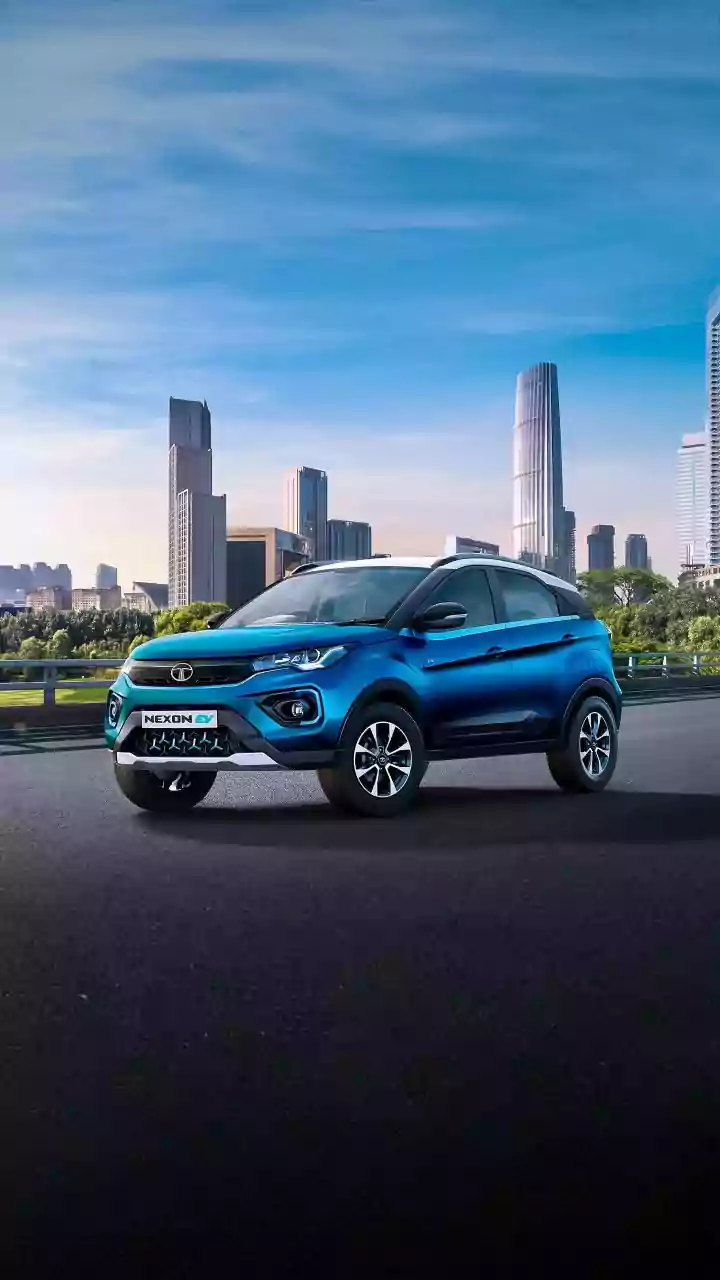
No company has capitalized on this shift more decisively than Tata Motors. By making an early and aggressive push into the EV segment, Tata has established a dominant position. As of August 2026, the company commanded an impressive 43% of the passenger EV market in India. This lead was built on the back of a multi-pronged portfolio that includes popular models like the Nexon EV, Tiago EV, and Punch EV, which cater to various price points. This first-mover advantage has not only given Tata a significant market share but has also cemented its brand as a leader in India's electric revolution, lifting it to the number two spot in the overall passenger vehicle market in 2026.
Maruti’s Multi-Pronged Defence
While Tata went all-in on EVs, the long-time market leader, Maruti Suzuki, is playing a different game. Betting that the transition will be gradual and diverse, Maruti has adopted a multi-powertrain strategy. The company remains the undisputed king of the CNG segment, which is currently the largest alternative fuel category in India. Simultaneously, it is ramping up its focus on strong hybrids and has plans for a portfolio that includes EVs, flex-fuel vehicles, and even compressed biogas (CBG). Suzuki's global strategy places India at its core, with plans to make the country a manufacturing hub for a variety of powertrain technologies, reflecting a belief that a one-size-fits-all EV approach may not suit the entire Indian market just yet.
The Challengers: Mahindra and Hyundai
Other legacy giants are now scrambling to catch up. Mahindra & Mahindra has made a powerful statement with its ambitious 'Born Electric' platform, a dedicated EV architecture designed from the ground up. Models like the BE 6 and XEV 9e are aimed at the premium end of the market, helping Mahindra attract new customers and establish itself as a strong number two in the EV space, with a market share of over 21%. Meanwhile, Hyundai Motor India has announced a massive investment plan, pivoting to a strong focus on hybrid vehicles as a bridge to full electrification. The company plans to launch eight hybrid models by 2030, alongside five battery-electric vehicles, signaling a pragmatic approach that addresses consumer concerns like range anxiety and charging infrastructure.
Government Policy in the Driver's Seat
This competitive realignment isn't happening in a vacuum. Government policy has been a major catalyst. Schemes like the Production Linked Incentive (PLI) for automobile and auto components are encouraging domestic manufacturing of advanced and clean technologies with significant committed investments. While direct demand subsidies under the FAME (Faster Adoption and Manufacturing of Electric Vehicles) scheme have been reduced, the focus has shifted to strengthening the supply chain and making India a manufacturing hub. These policies are compelling automakers to invest in cleaner powertrains to remain competitive and eligible for incentives, thereby directly shaping their product strategies and the future of mobility in India.