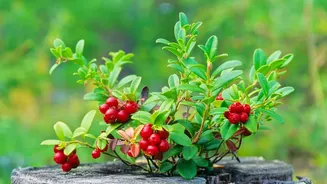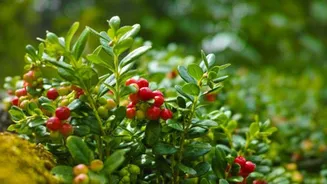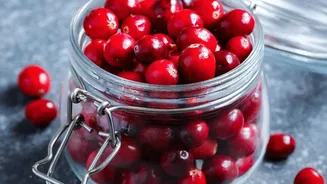

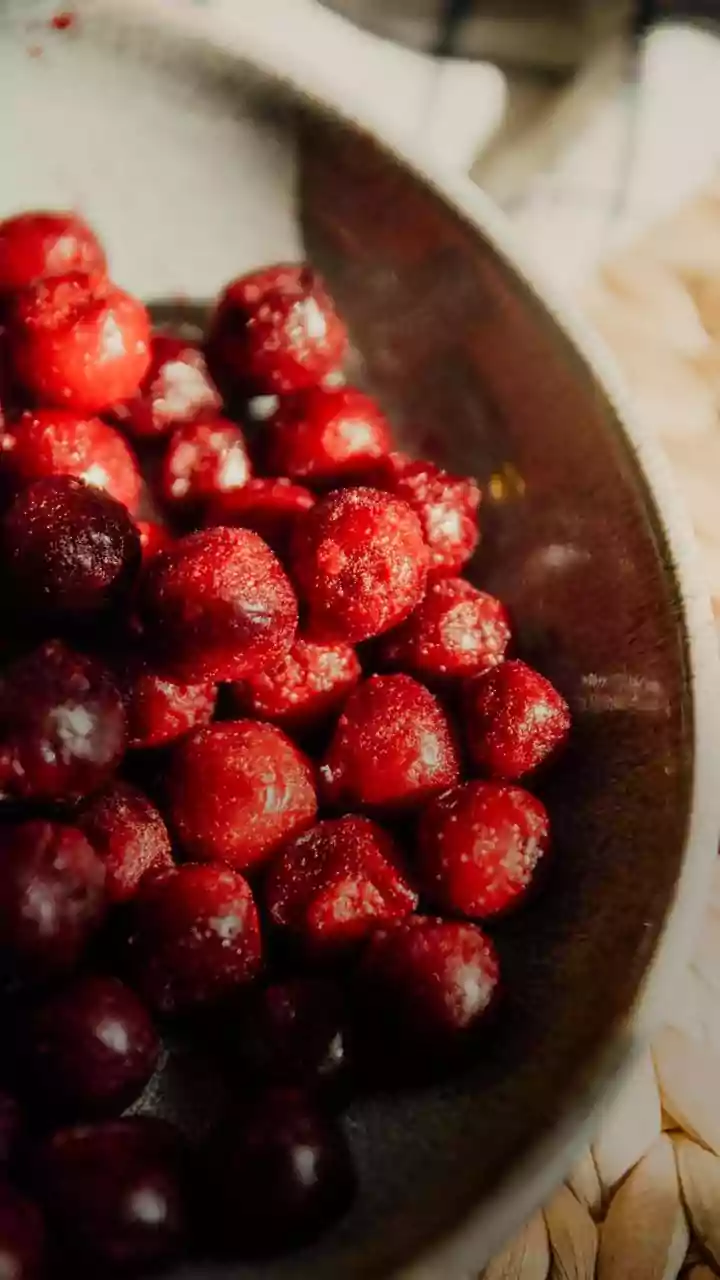

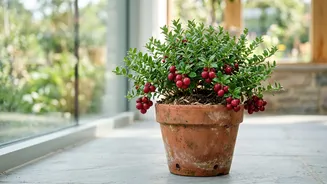
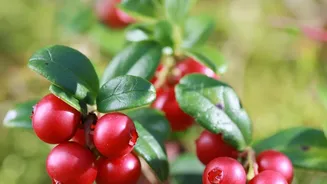
Growing cranberries at home is a tempting project, offering a unique harvest of tart, jewel-like berries. But unlike many houseplants, these bog-loving natives don't forgive mistakes and demand very specific care to thrive indoors.
Creating the Perfect Bog in a Pot
Cranberry plants laugh
at normal gardening instincts; they don't want rich, fertile soil. Instead, they demand a highly acidic, moist, and well-aerated growing medium. The most reliable starting point is a bagged ericaceous compost, the same kind used for blueberries and azaleas. The ideal soil pH is between 4.0 and 5.5, which is crucial for the plant's health. Because cranberry roots are shallow and spread out, a wide container is more important than a deep one. Aim for a pot at least 30-45cm across to give the runners space to develop. Creating this specific bog-like environment in a container is the single most important step to success.
Mastering Light and Water
Cranberries need full sun to produce an abundant harvest, which means providing at least six hours of direct sunlight per day. A south-facing windowsill is a good option for an indoor plant. Watering is another area where cranberries have unique needs. They must be kept consistently moist but not waterlogged, as their roots need oxygen. This is why commercial bogs are drained, not permanently flooded. For container growing, self-watering pots can be an excellent tool for maintaining consistent moisture. It's also critical to use rainwater if possible, as the alkaline nature of most tap water can gradually raise the soil's pH, harming the plant over time.
The Patience Game: Growth and Fruiting
The word 'patience' in the headline is not an exaggeration. After planting, it takes two to three years for a cranberry plant to become established and start producing a reliable harvest. You might get a few berries in the first year, but a full crop requires time. The plants grow in two ways: by sending out horizontal runners that form a mat and by growing upright stems from those runners where the flowers and fruit appear. In early spring, you can prune long runners to encourage more fruit-bearing uprights to form.
Pollination and Winter Care
Cranberry flowers need to be pollinated to set fruit. While the flowers have both male and female parts, they are not always self-fertile and benefit from pollen being moved between flowers. Outdoors, this is handled by bees. Indoors, you'll need to play the part of the pollinator. You can do this by gently shaking the plant to help distribute pollen or by using a small, soft brush to transfer pollen from one flower to another. Cranberry plants also require a period of winter dormancy with cold temperatures to flower properly the following year. If you're growing them indoors yearround, you may need to move the plant to a colder, unheated location like a garage for the winter months after it has finished fruiting.