





Harvest Every Drop
The monsoon offers a bounty of fresh water, yet many Indian cities face waterlogging followed by shortages months later. Rainwater harvesting is a simple, effective solution. You don't need a complex system to start. Simply placing clean buckets, barrels,
or a large tank under your roof's drainage pipe can help you collect thousands of litres. This harvested water, which is naturally soft and free from minerals, is perfect for watering plants, washing floors, and cleaning vehicles. For a more advanced setup, you can install a first-flush diverter to discard the initial, dirtier runoff and a basic filter to ensure the stored water is clean. This simple act reduces your reliance on municipal water, lowers your bills, and helps recharge crucial groundwater tables.
Eat with the Season
Aligning your diet with the monsoon season is not just a tradition; it's a smart, sustainable practice. Seasonal vegetables like gourds, okra, corn, and various local greens are abundant, fresh, and require fewer resources to grow. Choosing local and seasonal produce reduces the carbon footprint associated with long-distance transportation and cold storage. Traditional wisdom also suggests that monsoon is a time of weaker digestion, making lighter, cooked meals a healthier choice. Incorporating warming spices like ginger, turmeric, and pepper can help boost immunity. By visiting your local sabzi mandi for what's in season, you support local farmers and enjoy food that is more nutritious and flavourful.
Master Monsoon Composting
The high humidity of the monsoon can turn a compost bin into a soggy, smelly mess if not managed correctly. The key is to balance the wet kitchen waste (greens) with plenty of dry materials (browns). Before the rains begin, stockpile dry leaves, shredded cardboard, newspaper, and cocopeat. Add a generous layer of these 'browns' every time you add kitchen scraps to absorb excess moisture and maintain aeration. Ensure your compost bin is covered to protect it from direct rain but allows for air circulation. Regularly turning the pile every few days will prevent it from compacting and becoming anaerobic (lacking oxygen). With these adjustments, you can continue to create nutrient-rich compost for your plants all season long.
Manage Pests Naturally
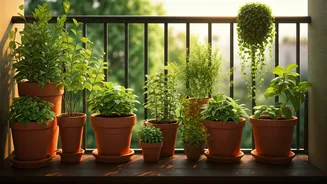
The monsoon often brings an unwelcome surge of insects like mosquitoes, flies, and ants. Instead of reaching for chemical sprays, you can manage these pests with simple, natural remedies. The first rule is to eliminate breeding grounds by preventing water from stagnating in pots, coolers, or any open containers. Many insects are attracted to dampness and clutter, so keeping your home clean and dry is a powerful deterrent. You can create effective natural repellents using household ingredients. A spray made from neem oil, camphor in water, or essential oils like citronella, peppermint, and lavender can help keep bugs at bay. Planting insect-repelling herbs like lemongrass, tulsi, and marigold near windows and doors can also be very effective.
Conserve Energy Indoors
Gloomy monsoon days often mean we spend more time indoors with the lights on. This is a great time to practice mindful energy consumption. Switch to energy-efficient LED bulbs, which use significantly less power. Make it a habit to turn off lights and fans when leaving a room, and unplug electronics and chargers when not in use, as they consume 'phantom' power even on standby. Limiting the use of high-energy appliances like clothes dryers and opting to air-dry clothes on a covered balcony can also make a big difference. These small habits not only reduce your carbon footprint but also lead to lower electricity bills.
Choose Reusable Rain Gear
During the monsoon, cheap, single-use plastic ponchos and flimsy umbrellas become a common sight, often discarded after just one use and contributing to plastic pollution. Make a sustainable choice by investing in a durable, high-quality raincoat and a sturdy umbrella. These items may cost more initially but will last for many seasons, saving you money in the long run and preventing unnecessary waste. This simple switch is a powerful way to reduce your plastic consumption and keep our surroundings cleaner during the beautiful rainy season.