




Remember those trips cancelled during lockdowns? That pent-up desire to explore is back. 'Revenge travel' has returned, but this time it's less about rebellion and more about redemption—making up for those precious lost moments.
What Exactly Is Revenge Travel?
The term 'revenge travel'
first surfaced as the world began to reopen after the initial COVID-19 pandemic. It described a massive surge in travel demand from people eager to compensate for months of cancelled plans and restricted movement. The 'revenge' wasn't malicious; it was a defiant act of reclaiming lost time and experiences. This initial wave saw travellers booking bigger, more extravagant trips, splurging on luxury, and finally taking those bucket-list journeys. While that first explosive burst eventually settled, the spirit of revenge travel is witnessing a resurgence, driven by a similar, yet more focused, motivation.
Why Is It Making a Comeback?
The return of revenge tourism isn't just about escaping. It's about a fundamental shift in priorities. After years of uncertainty, many people now value experiences over material goods more than ever. There's a strong psychological driver at play—a desire to regain a sense of control and normalcy. For many Indian travellers, this is coupled with rising disposable incomes and a hunger for new experiences. While the initial post-pandemic urgency has faded, people now have the breathing room to be more deliberate. They are not just travelling for the sake of it; they are travelling with a specific purpose, often to recapture a moment that was stolen by circumstances.
The Focus: Making Up for Lost Milestones
Today's revenge travel is distinctly personal. The core of this new wave is the 'make-up trip'. Think of the significant life events that were downsized or postponed: milestone birthdays, anniversaries, graduation celebrations, and family reunions. People are now specifically booking holidays to finally celebrate these moments properly. It’s about recreating the honeymoon that never happened, taking the multi-generational family vacation that was put on hold, or finally going on that celebratory trip with friends. These journeys are emotionally charged, focused on creating the memories that were previously denied. The emphasis is less on just going somewhere and more on fulfilling a postponed dream.
What Do These Trips Look Like?
This new_wave revenge travel often involves more intentional planning. Travellers are booking further in advance, signalling a move away from spontaneous escapes towards more thoughtful itineraries. These trips are often longer, more immersive, and sometimes more luxurious, as people may be using savings accumulated during periods of restricted spending. There's a trend towards experience_led holidays, where the activities—like attending a festival, taking a wellness retreat, or exploring a region's cuisine—are the main draw. In India, this translates to a boom in both domestic and international travel, with a significant interest in destinations that offer unique cultural or natural experiences. The goal is a more meaningful journey rather than just ticking off a list of sights.
The Indian Traveller's Perspective
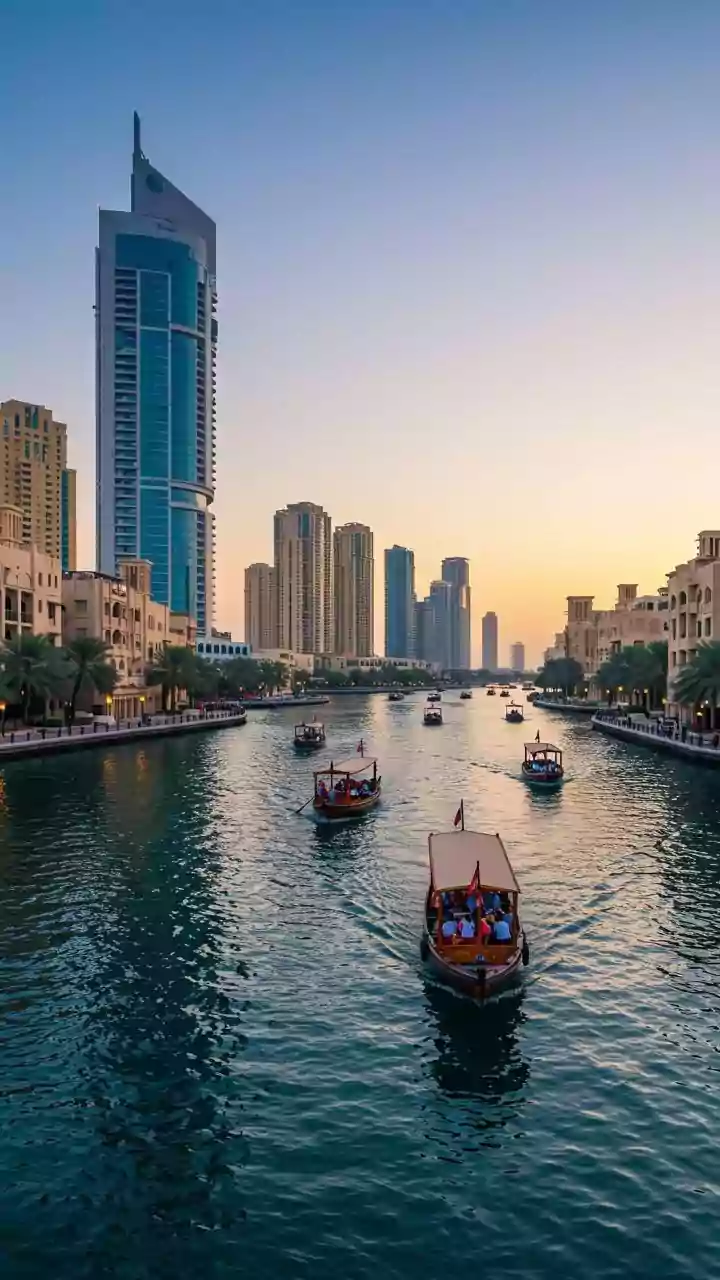
Indian travellers are embracing this trend with immense enthusiasm. Reports from 2026 show that a high percentage of Indians are planning holidays, significantly above the global average. While rising costs are a consideration, leading many to explore domestic destinations or value_for_money short_haul trips to places like Thailand, Vietnam, and Dubai, the commitment to travel remains strong. There's a growing 'inward wanderlust', with a significant portion of travellers prioritizing the discovery of India's own hidden gems. Whether it's a spiritual journey, an escape to the mountains of the Northeast, or a luxury cruise, Indian tourists are actively seeking out trips that provide depth, connection, and a genuine sense of making up for lost time.