


The Fading Echo of Family Recipes
In the rush of modern life, the slow, deliberate art of passing down family recipes has faced challenges. For generations, culinary knowledge was transferred orally and through practice, with a pinch of this and a handful of that, never quite written
down. These recipes, steeped in regional identity and family history, form a crucial part of India's diverse gastronomic tapestry. However, as families become more nuclear and lifestyles accelerate, this intimate tradition is at risk. Many unique, hyper-local dishes, once staples of community and festival feasts, have been retreating from daily life, existing only in the memories of an older generation. This gradual erosion of culinary heritage is not just a loss of flavours; it's a loss of the stories, rituals, and identity cooked into them.
A Festival-Fueled Revival
In recent years, a vibrant counter-trend has emerged: the regional food festival. These events are increasingly turning their focus away from five-star chefs and commercial restaurants to spotlight the real custodians of India's culinary heritage: home cooks. Organizers and culinary curators are recognizing a growing hunger for authenticity—for food that tells a story. Festivals like 'Ahare Bangla' in Kolkata, which showcases lost recipes and tribal cuisines, or the 'Sattvik Food Festival' in Ahmedabad, which promotes traditional grains and slow-cooking methods, are providing a powerful platform for these once-hidden culinary gems. They create a space where a grandmother’s fish curry or a recipe unique to a small community can be celebrated by a wider audience.
From Home Kitchens to Public Plates
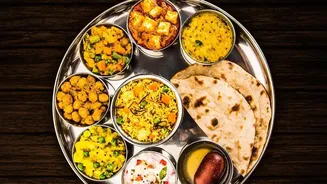
This movement is transforming home cooks, many of them women, into celebrated entrepreneurs. For many, it's the first time they have operated in a commercial setting, sharing their skills beyond their family circle. In Ahmedabad, the 'Utsav' series of food festivals was explicitly designed to feature home chefs from various communities, including Sindhi, Bengali, and Punjabi, offering everything from festive specialties to everyday staples. Similarly, events like the Wild Food Festival in Maharashtra bring Adivasi home cooks from communities such as the Warli and Kokni to share their knowledge of indigenous wild vegetables, preparing dozens of unique dishes for urban audiences. These platforms are not just about food; they are about cultural exchange and validation, proving that deep-rooted culinary traditions have immense value in the modern world.
More Than Just a Meal
The impact of these festivals extends far beyond the plate. They are acts of cultural preservation, creating a living archive of recipes that might otherwise disappear. For attendees, it's a chance to travel across India through taste, sampling authentic dishes from Nagaland to Tamil Nadu without leaving the festival grounds. For the home cooks, it provides economic empowerment and a profound sense of pride. Sneha Singhi, a chef inspired by her Marwari roots, notes how her grandmother's cooking was always a gesture of care and belonging for the entire community. These festivals channel that same spirit, fostering community and connection in a commercial space. They are a reminder that food is a powerful vehicle for storytelling, identity, and shared joy.
The Allure of Authenticity
What is driving this appetite for home-style, traditional cooking? In a world of homogenized menus and fast-food chains, consumers are increasingly seeking unique, authentic experiences. They want to know the story behind their food. The rise of food bloggers and social media has made these regional cuisines more visible, turning local delicacies into travel-worthy attractions. Festivals that feature home cooks tap directly into this desire. They offer a taste of something real—a recipe perfected over generations, made with love, and carrying the distinct flavour of a specific place and culture. It’s an experience that a commercial kitchen, no matter how skilled, often struggles to replicate. This movement celebrates the idea that the most memorable meals are often not the most complicated, but the ones most filled with history and heart.