





The Purity Question: 24K vs 22K
The most fundamental difference between gold coins and jewellery lies in purity. Gold coins are typically struck in 24 Karat (24K) gold, which is 99.9% pure. This makes them a direct investment in the metal itself, with a value tied closely to the market
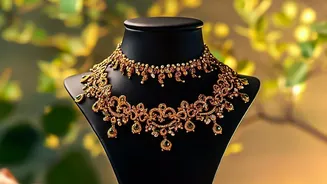
rate of gold. Jewellery, on the other hand, is usually made from 22 Karat (22K) or 18 Karat (18K) gold. This isn't a flaw; it's a necessity. Pure 24K gold is too soft for intricate designs and daily wear, so it's mixed with alloys like copper or silver to make it more durable. While perfect for adornment, this means a piece of jewellery contains less pure gold by weight compared to a 24K coin of the same weight. For any gold purchase, ensuring it is BIS Hallmarked is critical to guarantee its stated purity.
Cost Breakdown: Making Charges and Premiums
This is where the financial difference becomes most stark. When you buy jewellery, a significant portion of the price consists of 'making charges' or 'wastage'. These fees cover the craftsmanship, design complexity, and labour involved, and can range anywhere from 8% to over 25% of the gold's value. Crucially, these charges are almost never recovered when you sell the piece. Gold coins have a much lower added cost. They incur a smaller 'premium' or 'minting charge', which typically ranges from 1% to 5%. This lower overhead means more of your money goes directly into the gold itself, making coins a more cost-efficient investment from the start.
The Liquidity Test: How Easy Is It to Sell?
Liquidity refers to how quickly and easily you can convert an asset into cash at a fair market price. Gold coins are highly liquid. Due to their standard weight, certified purity, and minimal design, any jeweller or bullion dealer will readily buy them at a price very close to the day's gold rate. Selling jewellery can be more complex. The process often involves melting the piece to verify its exact gold content, and the buyer will deduct the original making charges, the weight of any embedded stones, and potentially other fees. Some jewellers may even offer less favourable buy-back rates if the item wasn't originally purchased from their store, limiting your options. This makes selling jewellery less straightforward and often less profitable than selling a coin.
Practical Use and Emotional Value
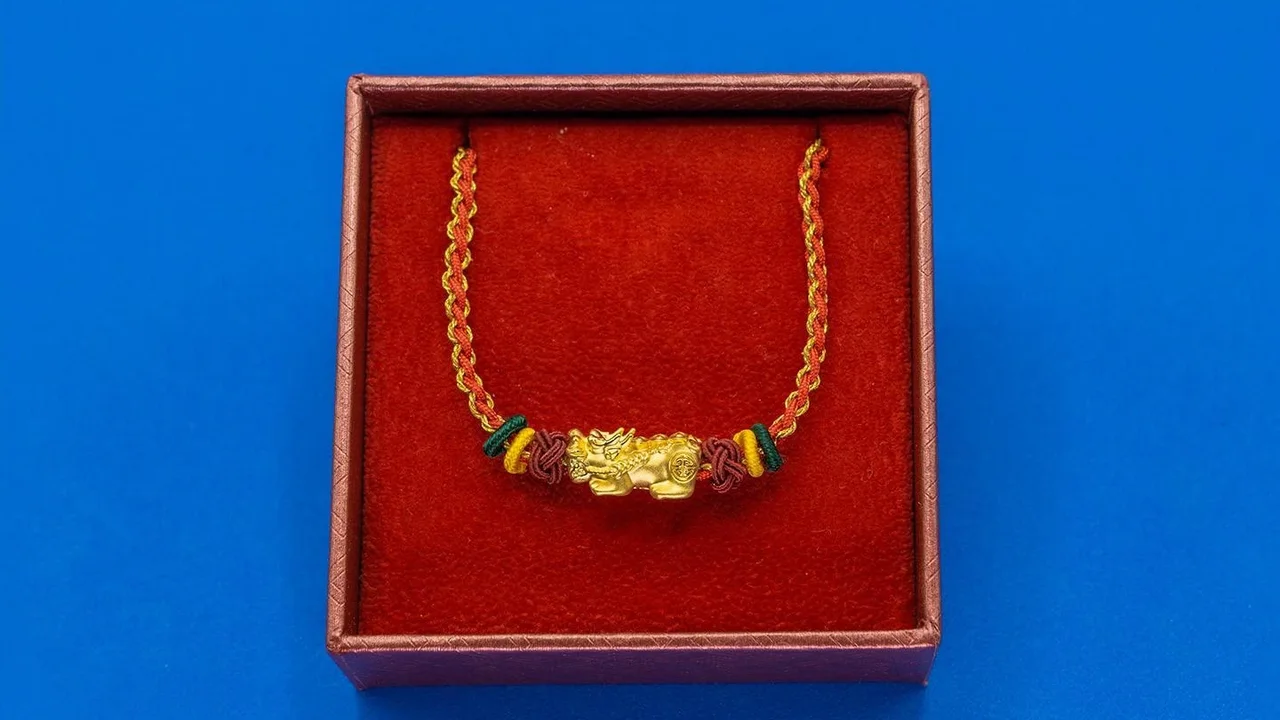
This is where jewellery has a clear, non-financial advantage. Gold jewellery is meant to be worn, celebrated, and enjoyed. It holds immense cultural and emotional value, often serving as a family heirloom passed down through generations. It plays a central role in weddings, festivals, and personal milestones, offering a dual purpose of being both an asset and a beautiful accessory. Gold coins, by contrast, are purely functional investments. They are typically kept in secure packaging in a locker or safe, serving no purpose other than storing wealth. Their value is purely monetary, lacking the personal and cultural significance attached to a piece of jewellery.