




A New Chapter in Train Travel
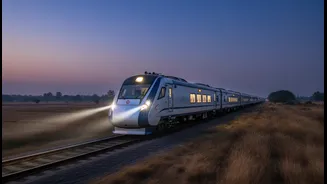
The much-anticipated Vande Bharat sleeper trains mark a significant upgrade for Indian Railways, transitioning the popular semi-high-speed service into the realm of long-distance, overnight travel. The first services began rolling out in early 2026, aiming
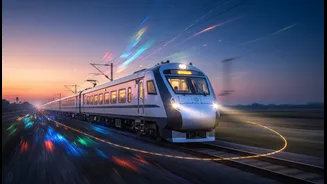
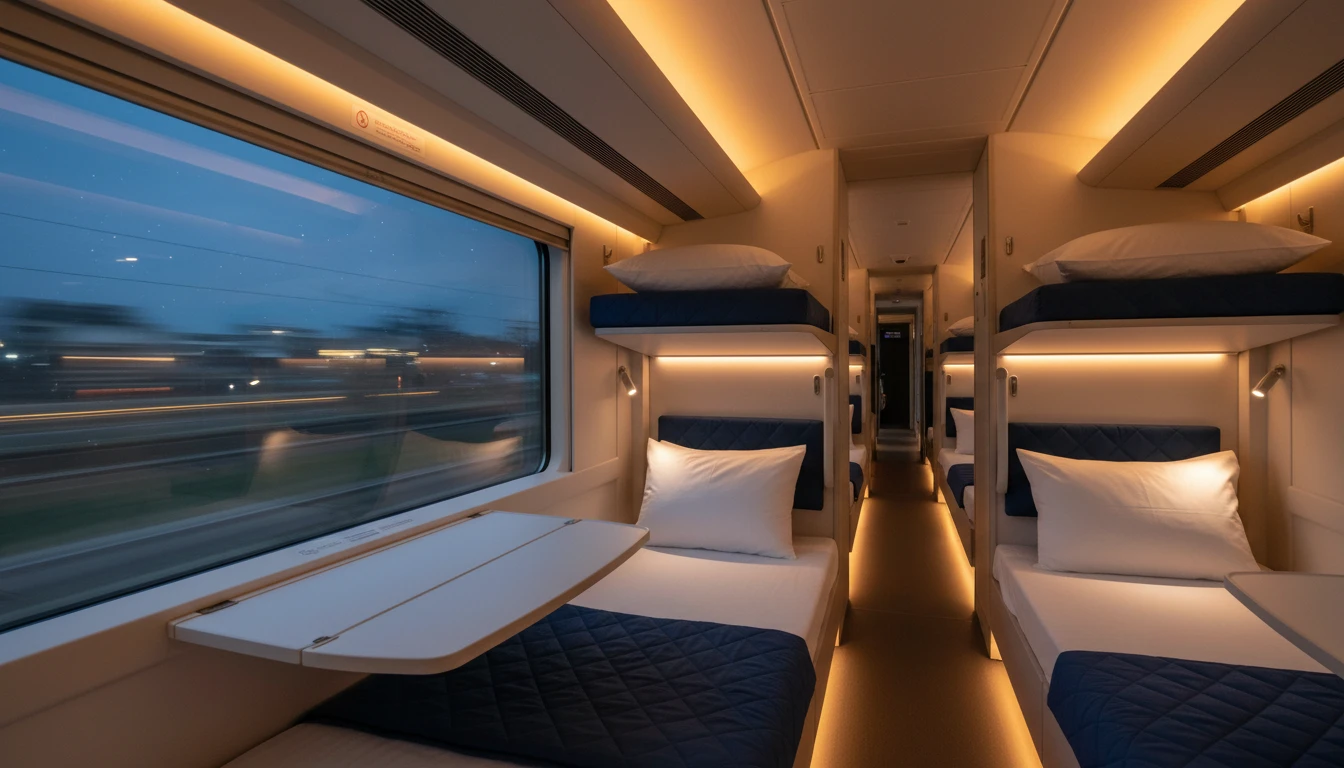
to connect cities between 800 and 1,500 kilometres apart. Unlike their chair-car siblings, these trains are designed to be hotels on wheels, offering a premium, comfortable alternative to existing overnight options and even short-haul flights. The initial rollout has seen routes connecting major hubs like Howrah and Kamakhya, with plans to expand the network significantly. These self-propelled trainsets promise a quieter, smoother, and faster journey, capable of speeds up to 160 km/h, which helps reduce overall travel time.
Designed for the Modern Traveller
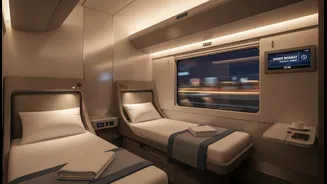
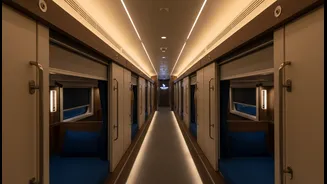
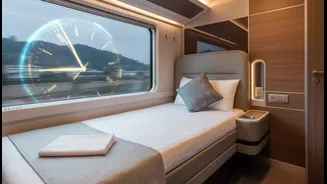
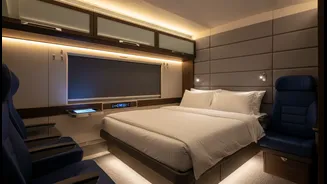
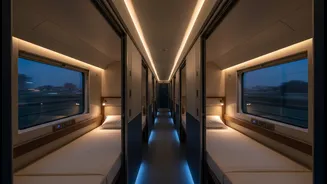
What makes the Vande Bharat sleeper particularly appealing to a younger, tech-savvy generation? The answer lies in the details. The coaches are engineered for comfort, with better-cushioned berths, sensor-based lighting, and dedicated reading lights. The interiors are aesthetically modern, a far cry from the utilitarian design of older trains. Other key upgrades include bio-vacuum toilets to improve hygiene, automatic doors for safety, and ample charging ports for devices — a non-negotiable for today's connected traveller. The entire experience is designed to be more seamless and less stressful, aligning perfectly with the millennial preference for convenience and quality. Safety is also enhanced with CCTV surveillance and the advanced 'Kavach' anti-collision system.
The Undeniable Appeal of Overnight Journeys
The concept of overnight travel is experiencing a renaissance. For millennials who are often juggling demanding jobs and short holiday windows, time is a precious commodity. An overnight train journey is incredibly efficient. It combines travel and a night's stay, meaning you don't lose a day to travel. You can board a train after work on a Friday, sleep through the night, and wake up at your destination on Saturday morning, ready to explore. This eliminates the hassles associated with airports, such as long check-in times, security queues, and baggage restrictions. For many, the ability to lie down and get a proper night's rest on a 12-hour journey is far more comfortable than sitting upright on a short flight, especially when you factor in the total door-to-door travel time.
Connecting Hubs to Holiday Hotspots
Indian Railways plans to launch dozens of these sleeper services, strategically connecting major metropolitan areas and popular tourist circuits. The initial Howrah-Kamakhya route, for example, links West Bengal to the Northeast, a region of growing interest for experiential tourism. Future anticipated routes connecting major cities like Delhi, Mumbai, Bengaluru, and Chennai will be game-changers for both business and leisure travel. A potential Bengaluru-Mumbai or Delhi-Varanasi sleeper service would directly cater to the weekend getaway and spiritual tourism markets that are highly popular among young Indians. These routes make it feasible to plan quick, two or three-day trips without the added cost and complexity of flights.
The Verdict: A Smart Choice for Easy Holidays
While the fares for Vande Bharat sleepers are higher than conventional trains, they are positioned competitively against budget airline prices, especially when factoring in the cost of airport transfers and inflexible baggage allowances. The value proposition is clear: for a comparable price, you get a more relaxed, comfortable, and efficient travel experience. You can carry more luggage, enjoy more space, and arrive feeling refreshed. For the millennial traveller who values experiences over possessions and seeks hassle-free logistics, the Vande Bharat sleeper isn't just a new train—it's a smarter way to holiday. It blends the romance and practicality of train travel with the modern comforts and speed that today's generation expects.