





Monsoon Fury This Weekend
The India Meteorological Department (IMD) has forecast an active and intense monsoon spell for the upcoming weekend. Widespread rainfall is expected across large parts of the country, with specific warnings for heavy to very heavy showers in several regions.
As of August 5, extremely heavy rainfall is predicted for Assam and Meghalaya. Over the next few days, areas including Sub-Himalayan West Bengal, Sikkim, Bihar, Uttar Pradesh, and Uttarakhand are also on alert for significant rainfall. The western coast, including the Konkan region and Goa, along with southern states like Kerala and Karnataka, will also continue to receive heavy showers. These weather systems are active and widespread, meaning travellers across most of the country should anticipate potential weather-related issues.
How Rain Impacts Your Flight
While modern aircraft are designed to fly safely in rain, heavy downpours can still cause significant travel disruptions. The primary issue is not the rain itself, but the associated conditions. Heavy rain can drastically reduce visibility for pilots during takeoff and landing. Severe weather systems that bring rain, such as thunderstorms, often come with strong winds and turbulence, which can lead to delays as air traffic control may space out flights for safety or temporarily halt operations. Furthermore, intense rainfall can lead to waterlogging on runways and taxiways, affecting airport operations on the ground. Airlines will always prioritize safety, so be prepared for potential delays, diversions, or even cancellations if the weather at your departure or arrival airport is severe.
The Challenge for Railway Journeys
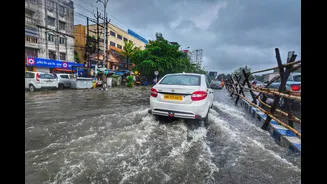
Train travel is also highly susceptible to monsoon-related disruptions. Waterlogging on tracks is a common problem in low-lying urban and rural areas, which can force trains to slow down, be diverted, or be cancelled altogether. In hilly regions, the risk of landslides and rockfalls increases dramatically with persistent rain, posing a serious threat to railway lines. Recently, train services on the Kalka-Shimla heritage line were suspended due to the risk of landslides. Railway zones like the Konkan Railway, which passes through challenging terrain, implement a special monsoon timetable with reduced speeds to ensure passenger safety. Signalling systems can also be affected by heavy moisture, leading to further delays across the network.
Your Pre-Travel Checklist
Being proactive can save you a lot of trouble. Before you leave home, the first step is to check the latest weather alerts from the IMD for your origin, destination, and route. Next, monitor your specific flight or train status closely. Use the airline's app or website, and for trains, the NTES (National Train Enquiry System) app is an invaluable resource for live updates. Allow for extra travel time to get to the airport or railway station, as local traffic will likely be slower due to waterlogging and rain. Pack essentials in your carry-on, including a waterproof jacket, an umbrella, a power bank for your devices, and any necessary medications. It's also wise to have a backup plan in mind, whether it's knowing the procedure for rebooking or having alternative travel options researched.
Train or Flight: Navigating the Monsoon
Choosing between a train and a flight during heavy rains involves weighing different potential disruptions. Flights can be affected by visibility and wind at airports, which can lead to sudden delays, but the journey itself is above the weather on the ground. Disruptions are often announced with less notice. Trains, on the other hand, are more vulnerable to ground-level issues like flooded tracks and landslides, which can lead to longer, more drawn-out delays or route diversions that add hours to the journey. However, services are less likely to be cancelled last-minute unless the tracks are physically compromised. The best choice depends on your route—a flight might be better for crossing regions unaffected by floods, while a train on a well-maintained, non-hilly route might be more reliable than a flight to a fog-prone airport. Always check the specific alerts for your entire route before making a final decision.