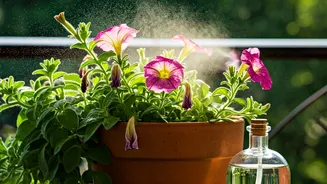



The Hidden Power in the Peel
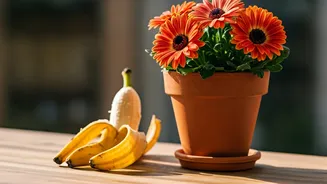
Before you dismiss this as just another gardening myth, there’s some real science to it. Banana peels are famously rich in potassium (K), one of the three main macronutrients essential for plant health, alongside nitrogen (N) and phosphorus (P). Potassium
plays a crucial role in nearly every aspect of a plant’s life, from regulating water uptake to strengthening stems. Most importantly for summer gardens, potassium is directly linked to encouraging robust flowering and fruiting. Think of it as the nutrient that helps a plant focus its energy on producing beautiful, big blossoms and healthy fruit. While peels also contain smaller amounts of phosphorus, magnesium, and calcium, it's the potassium punch that makes them a gardener's secret weapon.
A Simple Recipe for 'Banana Tea'
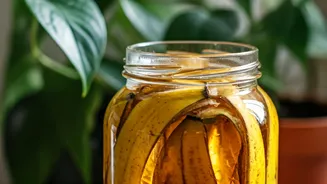
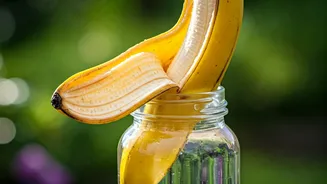
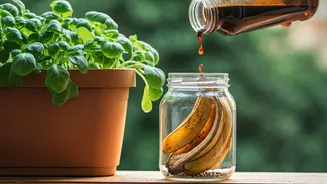
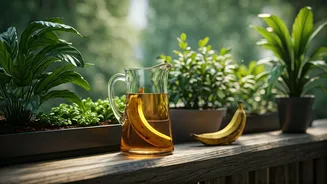
Making this gentle liquid fertilizer, often called 'banana tea', is incredibly easy and a fantastic way to reduce kitchen waste. You don’t need any special equipment, just a few common household items. **What You'll Need:** - 3-4 fresh or frozen banana peels - A large glass jar with a lid (around 1-2 litres) - Water - A spray bottle or watering can **Instructions:** 1. **Collect the Peels:** Chop the banana peels into small, 1-inch pieces. This increases the surface area, helping them release their nutrients into the water more effectively. 2. **Soak:** Place the chopped peels into your large glass jar and fill it with water, leaving an inch of space at the top. Seal the jar tightly. 3. **Steep:** Let the jar sit in a cool, dark place for about three to five days. You may notice the water turning a pale brown and developing a slightly earthy smell; this is perfectly normal. It's a sign that the nutrients are leaching into the liquid. 4. **Strain and Dilute:** After a few days, strain the liquid to remove the solid peel pieces (you can add these to your compost pile). The resulting 'tea' will be concentrated. Before using it on your plants, dilute it with fresh water at a 1:5 ratio (one part banana tea to five parts water). This ensures the application is gentle and won't overwhelm your plants.
How and When to Use It
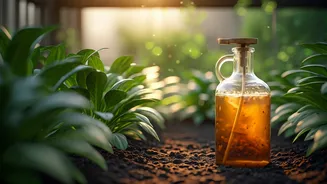
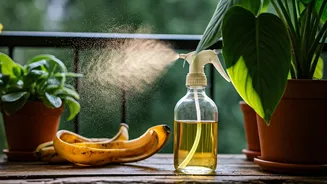
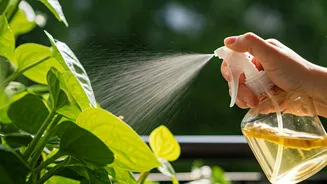
With your diluted banana peel spray ready, application is straightforward. The best time to feed your plants is in the early morning or late evening to avoid the harsh midday sun, which can cause leaf scorch. You have two main methods for application. You can pour the diluted liquid directly into the soil around the base of your plants, allowing the roots to absorb the nutrients. This is the most efficient way to deliver potassium. Alternatively, you can fill a spray bottle and lightly mist the leaves of the plant. This method, known as foliar feeding, allows for faster, though less substantial, nutrient absorption. For best results, incorporate this into your routine every two to three weeks during the active growing and flowering season.
Which Plants Love This Treat?
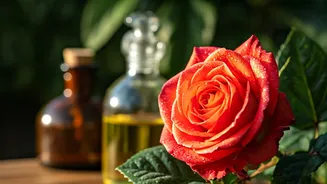
While most plants can benefit from a gentle potassium boost, some are particularly responsive. This homemade spray is a treat for heavy-flowering and fruiting plants that demand a lot of energy. Roses, in particular, are known to thrive with extra potassium, which helps them produce stronger stems and more vibrant, numerous blooms. Other flowering ornamentals like hibiscus, bougainvillaea, and orchids also appreciate the feed. In the vegetable patch, this is liquid gold for tomatoes, peppers, and brinjals (eggplants). Applying the spray as these plants begin to set flowers can encourage a more abundant and healthier harvest. However, avoid using it on succulents or cacti, which prefer leaner soil conditions.
Managing Your Expectations
It's important to have realistic expectations. This homemade banana peel spray is a wonderful, organic supplement, but it is not a miracle cure or a complete fertilizer. It provides a gentle boost of potassium but lacks significant amounts of nitrogen, which is vital for lush, green leafy growth. Therefore, it should not be the only thing you feed your plants. Think of it as a vitamin supplement to a healthy diet, not the entire meal. It works best when used as part of a comprehensive plant care routine that includes good quality soil, proper watering, and a balanced, all-purpose fertilizer. Its greatest strengths are that it's free, reduces waste, and avoids harsh chemicals, making it a perfect addition to any eco-conscious gardener's toolkit.