






A Royal Welcome in the Sun City
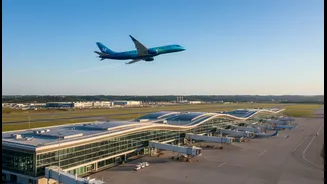
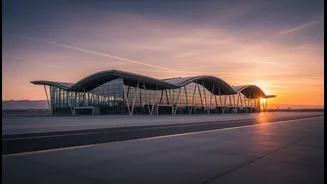
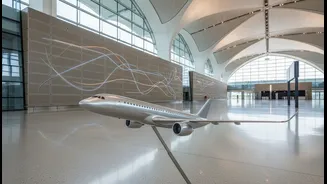
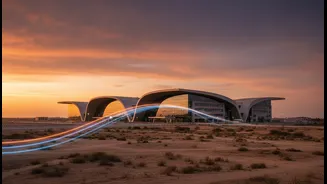
Jodhpur's new airport terminal, inaugurated in early July 2026, is a statement in itself. Developed at a cost of ₹480 crore, the facility is designed to handle up to two million passengers annually, a significant upgrade to meet rapidly rising demand.
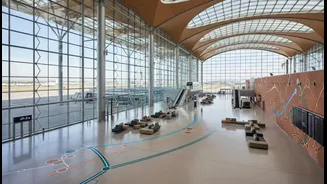
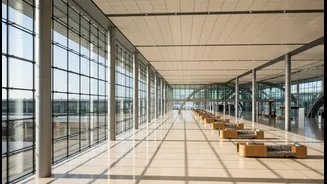
But this isn't just another glass-and-steel structure. The architecture is a deliberate nod to Rajasthan's royal heritage, incorporating traditional elements like arches, domes, and jharokhas into a modern, functional design. With six aerobridges, expanded check-in areas, and efficient baggage systems, the terminal is built for a seamless passenger experience. Beyond aesthetics, it features sustainable practices like water conservation and energy-efficient systems, aiming for a high green building rating. This new gateway is built to handle not just more tourists but also to anchor Jodhpur as a key hub in western Rajasthan.
UDAN: The Engine of Regional Flight
Launched in 2016, the Ude Desh ka Aam Nagrik (UDAN) scheme has been the government's flagship programme to make flying accessible and connect India’s Tier-2 and Tier-3 cities. The core idea is simple: make it financially viable for airlines to operate on routes that might otherwise be unprofitable. This is achieved through a combination of incentives, including Viability Gap Funding (VGF) — a subsidy to cover a portion of the operational losses — and waiving certain airport charges. In return, airlines must offer a percentage of their seats at a capped, affordable price. Since its inception, the scheme has been rolled out in phases, operationalizing hundreds of routes and connecting dozens of previously unserved or underserved airports, heliports, and even water aerodromes.
The Next Chapter: What 'Modified UDAN' Changes
Coinciding with the Jodhpur terminal launch, the government unveiled the 'Modified UDAN' scheme, backed by an outlay of nearly ₹29,000 crore for the next decade (FY 2026-27 to 2035-36). This isn't just an extension but a strategic evolution. The new phase aims to develop 100 more airports from existing airstrips and build 200 modern helipads to improve last-mile connectivity in remote and hilly areas. A significant portion of the funds is dedicated to continued VGF for airlines and providing Operations and Maintenance (O&M) support for regional airports to ensure their long-term sustainability. The scheme also promotes the use of indigenous aircraft, like HAL Dornier and Dhruv helicopters, to boost self-reliance while serving challenging terrains. This revamped approach signals a long-term commitment to not just starting routes, but keeping them flying.
The Jodhpur Model: Where Policy Meets Pavement
The simultaneous launch of Jodhpur's terminal and the modified scheme is the perfect illustration of a two-pronged strategy. A policy like UDAN can create the demand and financial incentive for regional flights, but it cannot succeed without robust ground infrastructure. Airlines need modern, efficient airports that can handle more flights, turn around aircraft quickly, and offer a positive passenger experience. The new Jodhpur terminal provides exactly that. It creates the physical capacity to accommodate the new routes that the modified UDAN scheme aims to foster. This synergy is the first key lesson: software (policy) and hardware (infrastructure) must evolve together. Without new terminals, expanded aprons, and better facilities, the ambition of connecting hundreds of new routes would remain stuck on the drawing board.
Lessons for India's Other Emerging Cities
The Jodhpur example offers a clear blueprint for regional development across India. The second crucial lesson is that regional connectivity is an ecosystem. It’s not just about subsidizing tickets. It requires long-term financial support for airport maintenance, strategic development of helipads for true last-mile access, and creating an environment where regional carriers can operate sustainably. The focus on developing 100 new aerodromes shows a commitment to replicating this success. For dozens of other Tier-2 and Tier-3 cities, from Salem to Darbhanga, the message is clear: investing in airport infrastructure is a direct investment in economic growth, tourism, and national integration. By ensuring that airports are not just built but also supported operationally, the government is trying to ensure that the regional aviation boom is not temporary, but a sustainable shift in how India travels.