



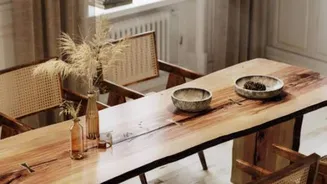
Wood: The Battle Against Swelling
Wooden furniture has a natural relationship with the air around it. Because wood is a hygroscopic material, it absorbs moisture from the atmosphere. During the monsoon, when indoor humidity can soar, this absorption causes the wood fibres to swell. This
is why you might suddenly find that your cabinet doors are jamming, drawers are sticking, or a perfectly flat tabletop has begun to warp. This constant cycle of swelling in the monsoon and shrinking in drier weather can weaken joints and cause cracks over time. Furthermore, trapped moisture creates the perfect breeding ground for mould and mildew, which can appear as white or green patches. To protect your wooden items, ensure good ventilation and keep furniture a few inches away from damp walls to allow air to circulate. Wiping pieces down with a dry cloth regularly removes surface moisture. For enclosed spaces like wardrobes, placing silica gel packs or even bowls of rock salt can help absorb excess humidity.
Leather: Preventing a Fungal Takeover
Leather is another porous, natural material that is highly susceptible to monsoon damage. High humidity makes it a prime target for mould and mildew, that dreaded fuzzy white or greenish growth that can appear on shoes, bags, and jackets. Unlike wood, which primarily swells, leather’s main enemies are fungus and a loss of texture. The moisture in the air can cause it to become stiff and lose its natural oils, leading to cracking. Storing leather improperly is often the biggest mistake. Never keep leather goods in plastic bags, as this traps moisture and accelerates fungal growth. Instead, use breathable cloth or muslin bags. If an item gets wet, pat it dry immediately with a soft cloth and let it air dry naturally, away from direct sunlight. Regularly airing out your leather items and wiping them with a dry cloth is a simple but effective preventative measure. For long-term storage, placing silica gel packets inside bags and shoe boxes is highly recommended.
Paper: A Fragile Fight Against Decay
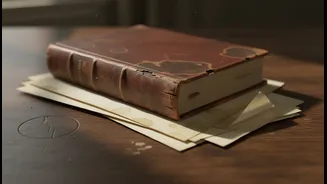
Paper and books are perhaps the most vulnerable to humidity. Paper fibres readily absorb moisture from the air, causing pages to become damp, wavy, and stick together. This creates an environment ripe for foxing—the small, brown spots that stain old books—and mould, which can quickly lead to irreversible decay. Once pages are damaged by moisture, they can become brittle and disintegrate. The most important step is proper storage. Keep important documents, photographs, and treasured books in closed cabinets, preferably away from walls. For extra protection, use desiccants like silica gel packets or naphthalene balls inside storage areas to keep the environment dry. Naphthalene balls also help ward off insects that are attracted to damp paper. For truly critical documents, consider storing them in airtight, waterproof containers or plastic bags to create a barrier against the humid air. If books do become damp, you can try placing absorbent paper towels between the pages and pressing them under a weight to dry them flat.
A United Front Against Humidity
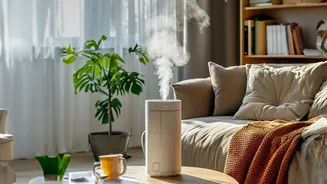
While each material requires specific care, a general strategy for reducing humidity in your home will protect everything. Improving ventilation is key; open windows and use fans whenever the air outside is dry. Running an air conditioner, even on its 'dry' mode, can significantly lower indoor humidity. For targeted areas like closets and bathrooms, exhaust fans are crucial for expelling moist air. Simple home remedies like placing bowls of rock salt, charcoal, or baking soda in cupboards can also effectively absorb ambient moisture. Regularly checking for and sealing leaks in walls or around windows can prevent moisture from seeping in. By combining these general tactics with material-specific care, you create a multi-layered defence that keeps your home and its contents safe and dry.