






Understanding 'Mid-July Mode'
For Indian Railways, 'mid-July mode' is an unofficial term for a critical period of intense operational focus. This phase is characterized by a dual strategy: proactively managing the risks posed by heavy monsoon rains while simultaneously catering to
high passenger volumes. This involves everything from running special train services to fortifying tracks against nature's onslaught. For passengers, this period brings both challenges, like potential delays due to weather, and opportunities, such as extra travel options on high-demand routes.
Battling the Monsoon
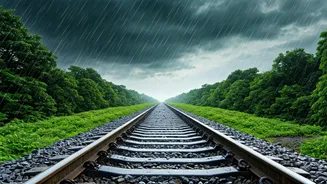
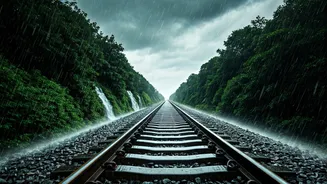
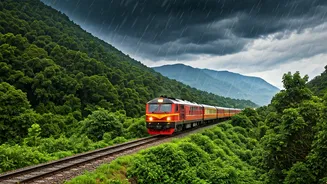
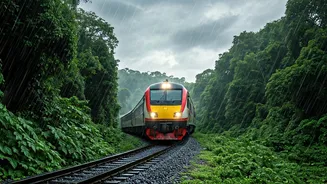
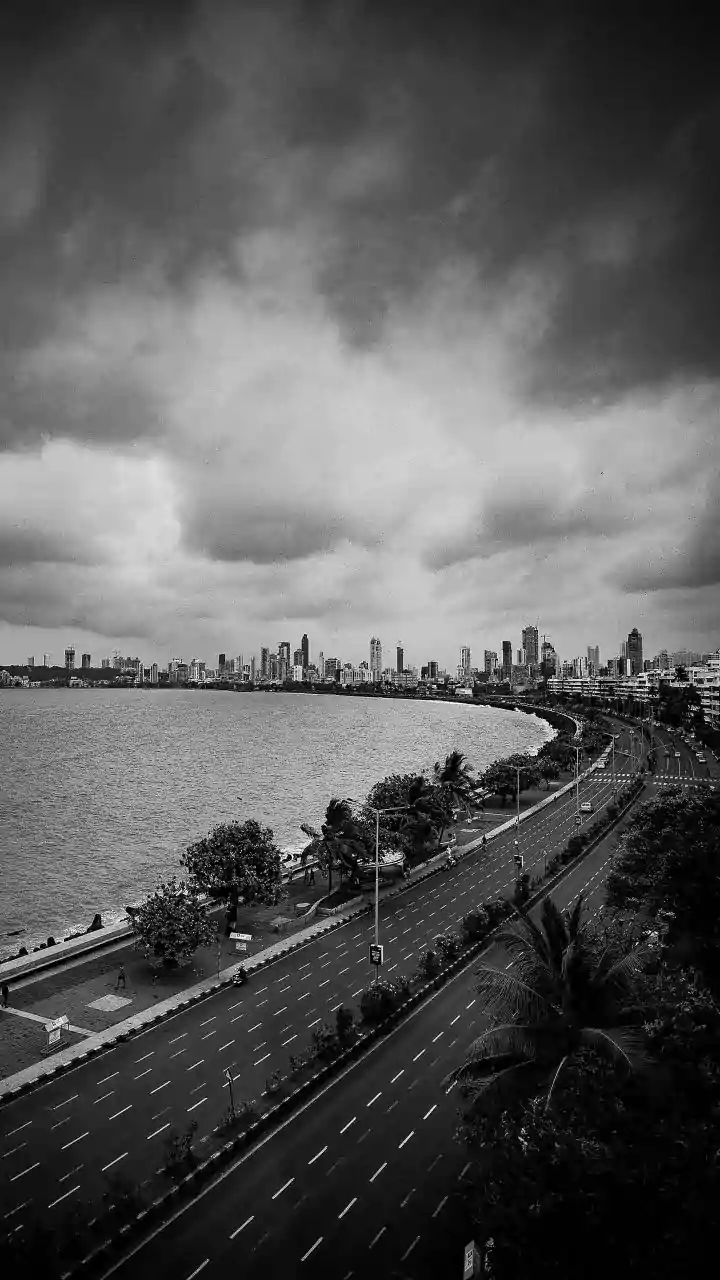
The monsoon is the single biggest operational challenge in mid-July. To ensure safety, railway divisions across the country have activated comprehensive monsoon preparedness plans. The Jammu division of Northern Railway, for instance, has completed extensive track and bridge maintenance ahead of the rains. Measures include identifying vulnerable locations prone to landslides and waterlogging, deploying 24/7 watchmen, and cleaning side drains to prevent flooding. Emergency materials like boulders and sandbags are stockpiled at strategic locations for rapid track restoration if needed. Despite these preparations, heavy rainfall can still cause disruptions, as seen in the Mumbai-Pune section where landslides and waterlogging recently led to cancellations and delays. Western Railway has deployed advanced tools like digital rain gauges and drones to monitor water levels and culverts in real-time in the Mumbai suburban network.
Managing the Passenger Rush
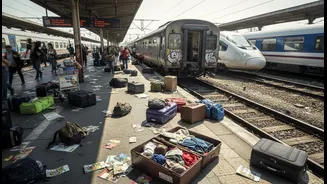
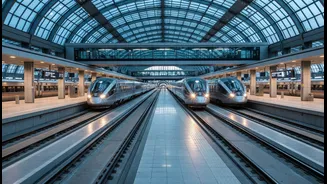
Mid-July also sees a significant movement of people for various reasons, including vacations, pilgrimages, and academic schedules. To accommodate this demand, Indian Railways has been running numerous special trains. An extensive plan to operate over 18,000 special train trips was announced for the peak season between April and July 2026. Specific events drive major planning efforts. For the Puri Rath Yatra starting in mid-July, over 300 special trains have been planned to handle the massive influx of devotees. Similarly, special services have been launched for the Amarnath Yatra to ease travel for pilgrims. Beyond special event trains, various zones are also augmenting existing services by adding extra coaches throughout July to clear waiting lists on popular routes.
New Rules and a Traveller's Checklist
Alongside operational adjustments, new passenger rules came into effect from July 1, 2026. These include increased fines for ticketless travel and stricter penalties for offences like smoking or occupying reserved coaches without authorisation, aimed at improving safety and discipline. For travellers navigating the mid-July mode, staying informed is key. Always check the latest status of your train using the National Train Enquiry System (NTES) before starting your journey, especially with unpredictable weather. Given the possibility of delays due to rain, it's wise to allow for extra travel time. Packing waterproof bags for electronics and essentials is also a practical step. For any assistance during your journey, the Rail Madad helpline at 139 is the designated point of contact.