






The Crunch Heard Across Generations
First, let's get acquainted. Sandige, also known as arisi vadam in Tamil Nadu or akki sandige in Karnataka, belongs to the glorious family of Indian sun-dried crisps. Think of them as a cousin to the papad or the colourful fryums you might have enjoyed
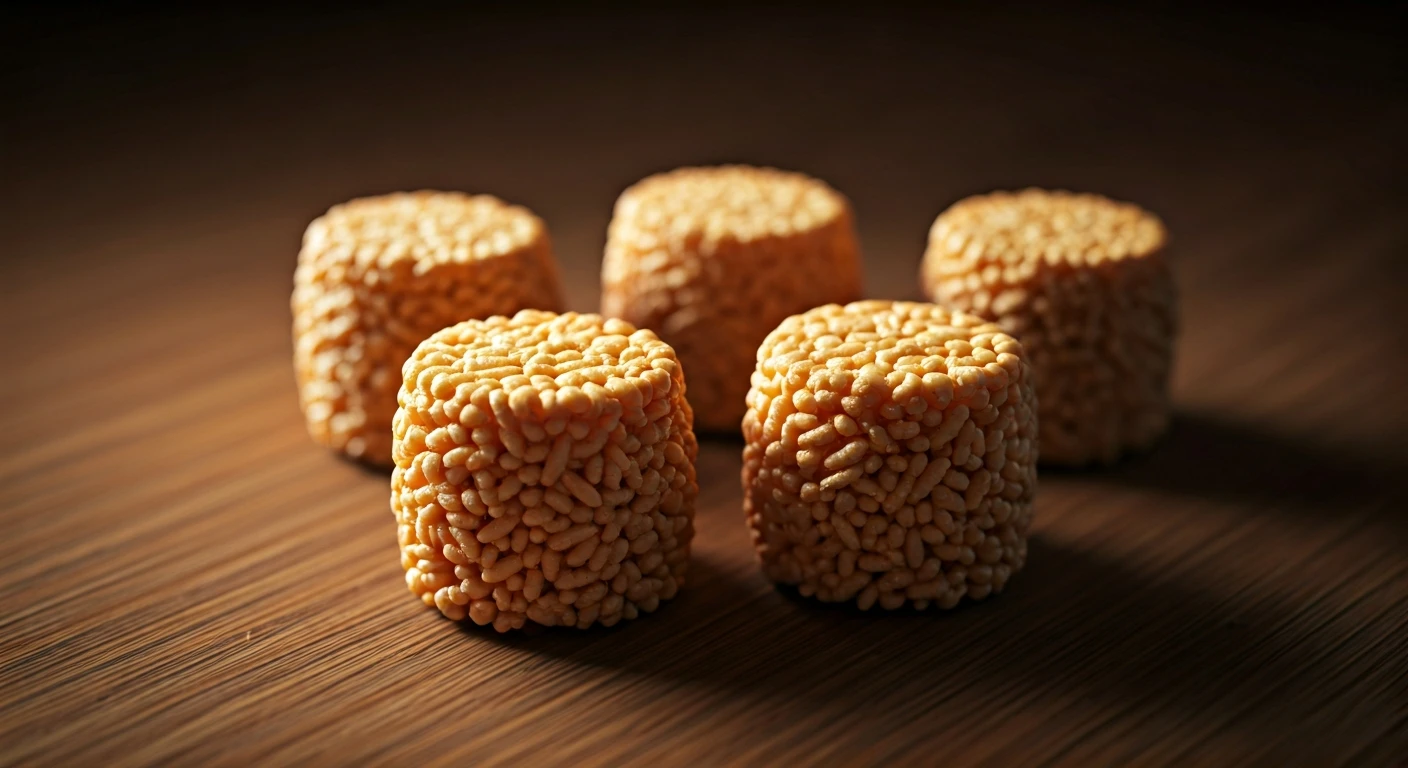
as a child. They are essentially savoury crackers made from a batter—in this case, a batter of leftover cooked rice—which is then portioned out and left to dry under the hot sun for several days. Once completely dehydrated, these little discs or abstract shapes are stored in airtight jars. When you crave a snack, you simply deep-fry or air-fry them, and they puff up into light, incredibly crunchy delights. They are the perfect accompaniment to a meal of dal and rice, or just a fantastic snack to munch on by themselves.
Why Is This Old Trick Trending Now?
The art of making sandige is not new; our grandmothers and their mothers were masters of this frugal craft. For them, it was a practical way to ensure nothing went to waste. So why is it suddenly finding favour with millennial and Gen Z home cooks? The answer lies in a confluence of modern values and a yearning for tradition. Firstly, there's the powerful zero-waste movement. Young cooks are more conscious than ever about food waste, and turning leftover rice into a shelf-stable snack is sustainability in its most delicious form. Secondly, there’s a growing desire to reconnect with culinary roots. In a world of instant noodles and food delivery apps, the slow, mindful process of making something from scratch offers a grounding experience. It's a way to engage with the same traditions that our ancestors practised, but on our own terms.
The Classic Method, Demystified
Making sandige sounds more intimidating than it is. The core process is simple. You start with cooked, leftover rice—preferably the slightly mushy kind. Mash the rice thoroughly until it forms a smooth, thick paste. Traditionally, this is done by hand or with a heavy pestle. Then, you mix in your flavourings. The classic combination is simple: salt, asafoetida (hing), and perhaps some cumin seeds (jeera) or green chillies ground into a paste. Once your spiced rice paste is ready, the sun-drying begins. A clean plastic sheet or a steel plate is lightly greased. Small spoonfuls of the batter are dropped onto the sheet, leaving space between them to allow for even drying. Then, you place it in a spot with direct, strong sunlight. This is the most crucial step. The sandige needs to bake in the sun for two to four days, depending on the intensity of the heat, until it is bone-dry and peels off the sheet easily.
New-Gen Twists on a Traditional Snack
This is where young home cooks are really having fun and making the tradition their own. While the classic jeera and chilli sandige remains a favourite, modern kitchens are experimenting with a world of new flavours. Some are adding a pinch of peri-peri spice for a fiery kick. Others are stirring in Italian herbs like oregano and chilli flakes for a pizza-inspired flavour. Finely chopped curry leaves, garlic powder, or even a dash of Sriracha have found their way into these rice batters. The technique is also getting a modern update. For those living in apartments without access to a sunny terrace, the oven has become a useful tool. By setting the oven to its lowest temperature and leaving the door slightly ajar, they can dehydrate the sandige over several hours. Air fryers are also being used, both for drying the batter and for a healthier, oil-free way to puff up the finished product.