





Why is Kolkata sometimes called the 'London of India'? The nickname speaks to a specific chapter in its past, a time of imperial grandeur and architectural ambition. Today, that history isn't confined to books; it’s etched into the city's streets.
The Empire's Second City
For
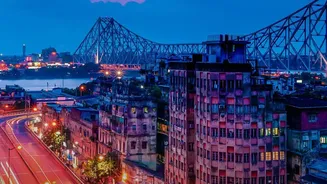
nearly 140 years, from 1772 until 1911, Kolkata—then known as Calcutta—served as the capital of British India. This status made it the most important city in the British Empire after London itself. The East India Company and later the British Crown invested heavily in transforming the city into a symbol of their power and prestige. Situated on the banks of the Hooghly River, its port became a critical hub for trade, much like London on the Thames. To solidify its status, the British embarked on an ambitious construction spree, aiming to build a capital that would rival the great cities of Europe. This period of intense development gave birth to the architecture that would eventually earn it its famous nickname.
An Architectural Grand Tour
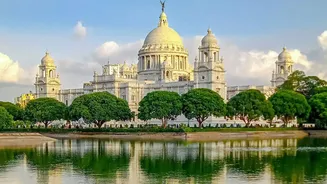
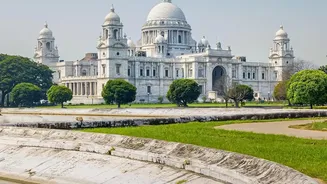
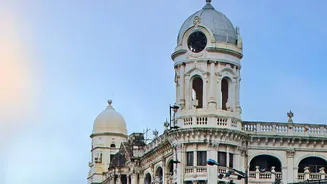
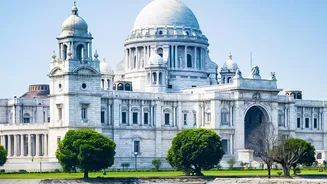
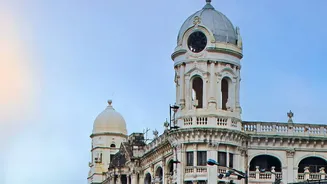
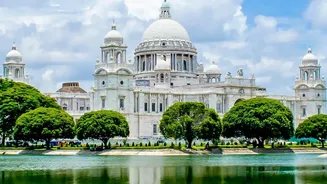
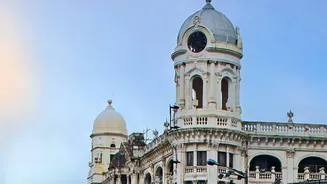
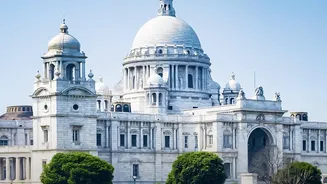
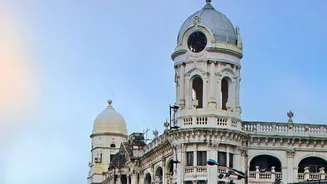
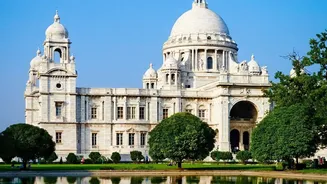
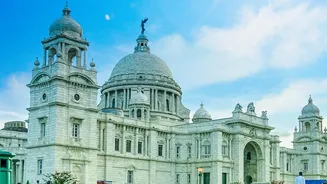
The heart of colonial Calcutta was Dalhousie Square, now known as B.B.D. Bagh. This area became the administrative and commercial nucleus, populated by imposing structures designed in a variety of European styles. The Writers' Building, a monumental Greco-Roman structure, served as the administrative headquarters. The nearby General Post Office, with its towering dome and Corinthian columns, is another landmark from this era. St. Paul's Cathedral introduced Gothic Revival architecture to the city's skyline, while the Raj Bhavan, the former residence of the Governor-General, was built in the Neoclassical style. But perhaps no structure is more iconic than the Victoria Memorial, a magnificent white marble monument built to honour Queen Victoria, blending British and Mughal architectural elements into an Indo-Saracenic masterpiece. These buildings, with their grand facades and European aesthetics, created the urban landscape that felt so distinctly 'London-like'.
From Colonial Capital to Cultural Hub
The nickname 'London of India' is, of course, a relic of a bygone era. After the capital shifted to Delhi in 1911, Kolkata forged a new identity as a cultural and intellectual powerhouse. Yet, the architectural legacy of the Raj remains an undeniable part of its character. These grand old buildings are not just silent monuments; they are woven into the fabric of a bustling modern metropolis. Some, like the Writers' Building, continue to serve administrative functions, while others have been repurposed. The colonial-era structures now stand alongside vibrant markets, modern infrastructure, and the energetic pulse of contemporary Bengali life. This juxtaposition of past and present is what makes exploring Kolkata so unique; it’s a city that has preserved its history without being trapped by it.
Walking Through Living History
Today, the best way to connect with Kolkata's colonial past is on foot. A growing number of heritage walks offer residents and tourists a chance to explore this architectural treasure trove. Guided by historians, architects, and passionate local storytellers, these tours bring the city's history to life. Rather than just listing dates and architectural styles, guides share anecdotes about the people who built and inhabited these spaces, the political intrigues that unfolded within their walls, and the cultural shifts they represent. These walks are not stuffy historical lectures but dynamic outdoor classrooms where every corner reveals a new story.
What to Expect on a Heritage Walk
Most heritage walks focus on the dense concentration of historic buildings around B.B.D. Bagh (Dalhousie Square), the veritable epicentre of colonial Calcutta. A typical tour, often lasting two to three hours, might include stops at the Writers' Building, St. John's Church, the Raj Bhavan, and the General Post Office. Participants learn to identify different architectural features, from Neoclassical columns to Gothic spires, and understand their significance. The walks are designed to be immersive experiences, often pointing out details that casual observers might miss—a faded inscription, an old iron gate, or the unique blend of British design with Indian craftsmanship. It's an opportunity to see how these grand imperial structures now coexist with the vibrant street life, food stalls, and daily commerce of 21stst century Kolkata.