

A Landmark Celestial Partnership
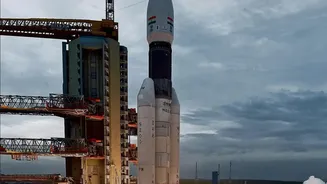
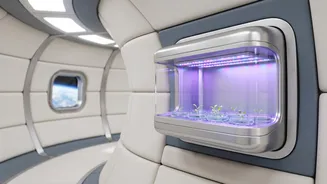
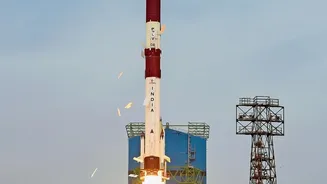
In early 2026, the Indian Space Research Organisation (ISRO) and the All India Institute of Medical Sciences (AIIMS) in New Delhi signed a Memorandum of Understanding (MoU) to advance research in space medicine. This collaboration is a critical step in supporting
India's ambitious human spaceflight program, including the Gaganyaan mission and the future Bharatiya Antariksh Station. The primary goal is to ensure the health, safety, and performance of Indian astronauts during long missions. The partnership brings together ISRO's technological prowess and AIIMS's medical expertise to study the unique challenges the human body faces in the extreme environment of space. Research areas include human physiology, cardiovascular health, musculoskeletal changes, immunology, and behavioural health.
The Body in a Zero-Gravity Lab
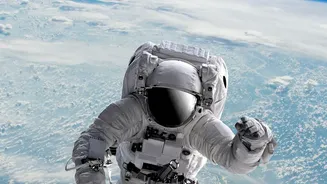
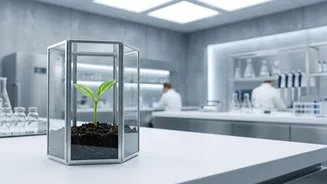
Space is the ultimate laboratory for understanding human physiology. Without the constant pull of gravity, the human body undergoes significant and rapid changes. Astronauts can lose bone density at a rate of 1 to 1.5 percent per month, a process that is about ten times faster than the rate of loss for osteoporosis patients on Earth. Muscles, particularly those used for posture and walking, begin to weaken and atrophy quickly, with losses of up to 20 percent reported in less than two weeks. The cardiovascular system also adapts; fluids shift upwards towards the head, and the heart doesn't have to work as hard, which can lead to deconditioning. Studying these effects provides a unique model of accelerated ageing.
From Space Station to Hospital Ward
The research conducted for astronauts has direct and tangible benefits for patients on Earth. The accelerated bone loss seen in space is a powerful model for understanding and treating osteoporosis, a common condition in ageing populations. Similarly, studying muscle atrophy in astronauts helps develop therapies for patients who are bed-ridden or have conditions that lead to muscle wasting. Research into the cardiovascular deconditioning experienced by astronauts can provide insights into heart failure and other circulatory problems. Countermeasures developed for astronauts, such as specialised exercise regimens and nutritional supplements, can be adapted for terrestrial rehabilitation programs.
Technology Transfer for Terrestrial Health
Beyond biological insights, space exploration has always been a driver of technological innovation with medical applications. Telemedicine, now crucial for rural and remote healthcare, was pioneered to monitor astronauts' health from afar. The need for compact, low-power, and highly accurate medical sensors for space missions has led to the development of wearable health monitors that people use every day. Technologies developed for digital image processing to clarify pictures from space have enhanced MRI and CT scans, improving diagnostics on Earth. Even robotic surgery has roots in the technology developed for robotic arms on space shuttles and stations, enabling less invasive and more precise operations.