
The New Breakfast Blueprint
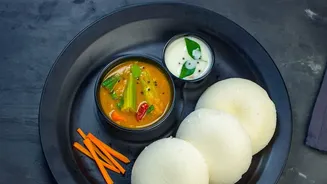
In cities from Bengaluru to Mumbai, a growing number of households are starting their day not with the traditional rice-based batters, but with versions made from millets. Once deemed the food of rural India, grains like ragi (finger millet), jowar (sorghum),
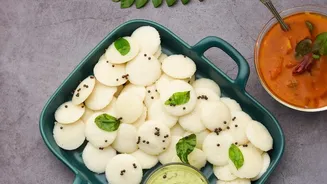
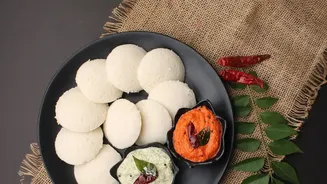
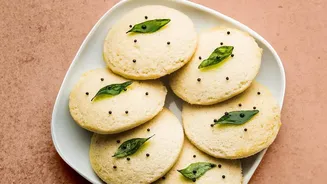
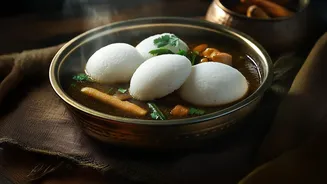
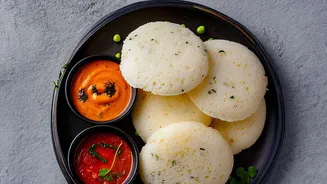
and various small millets are now at the heart of a breakfast revolution. This isn't just a niche trend for the ultra-health-conscious. The availability of ready-to-cook millet idli and dosa batters in local stores and online has made this switch incredibly convenient for busy urban families. Brands and local businesses are responding to a clear demand for healthier, yet traditional, meal options. Consumers are finding that these new-age batters deliver the softness and satisfaction they expect from a classic South Indian breakfast, but with an added nutritional punch.
More Than Just a Passing Fad
This movement from rice to millets is no accident. It’s the direct result of a nationwide push to revive these ancient grains, culminating in the United Nations declaring 2023 the International Year of Millets at India's behest. This initiative successfully cast a spotlight on millets, rebranding them from 'poor man's food grain' to 'nutri-cereals' and even 'Siridhanya' (bountiful grains). The sustained campaign highlighted their climate resilience and tremendous health benefits, creating a ripple effect that has now reached the daily eating habits of city dwellers. The conversation has shifted, and what was once aspirational—eating polished rice and wheat—is now being balanced with the wisdom of consuming these hardy, nutrient-dense grains.
A Nutritional Upgrade to Your Plate
So, what makes a millet idli a smarter choice? The nutritional difference is significant. Compared to polished white rice, millets are powerhouses of dietary fibre, protein, and essential minerals like iron and calcium. For example, finger millet (ragi) has substantially more calcium, and other millets contain significantly more iron than rice. This high-fibre content helps in better digestion, promotes a feeling of fullness, and aids in weight management. Crucially, millets have a lower glycemic index than white rice, meaning they release sugar into the bloodstream more slowly. This makes millet-based idlis and appams a particularly good option for managing blood sugar levels, a growing concern in urban India.
Flavour and Tradition, Reimagined
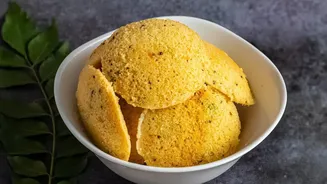
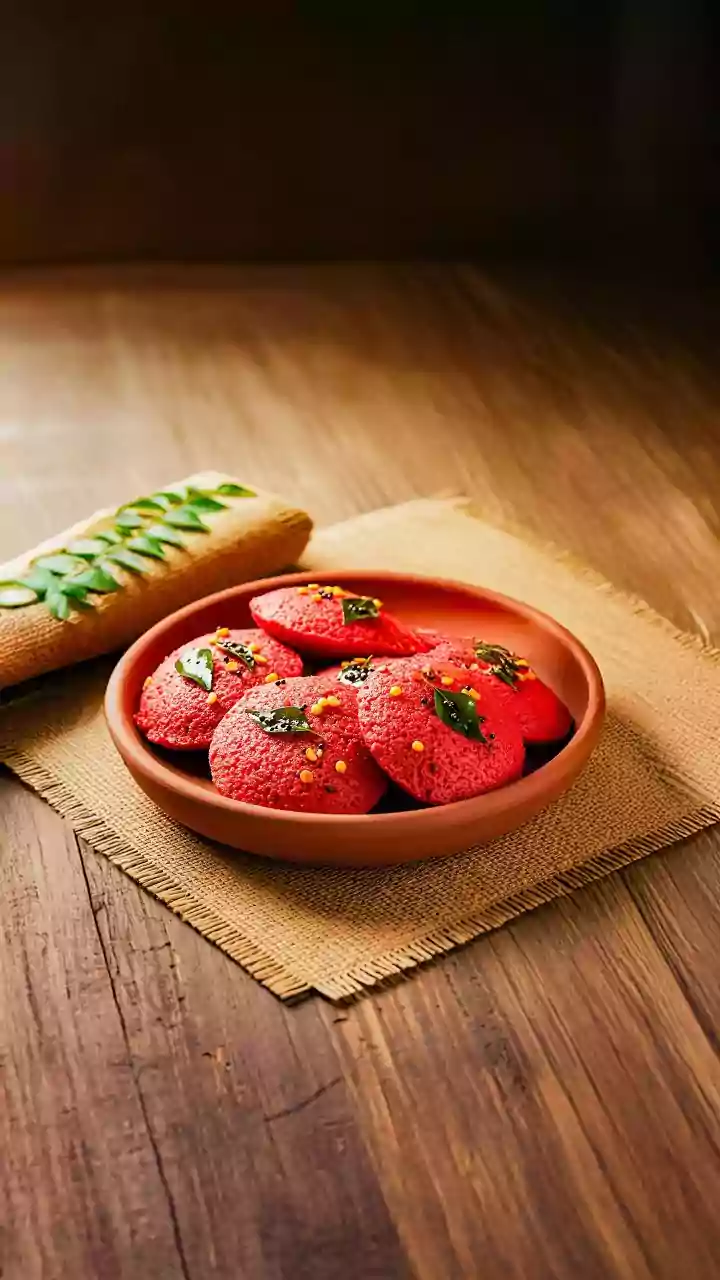
For many, the ultimate test is taste. The good news is that millets are incredibly versatile and bring their own subtle, earthy flavours to the plate. Barnyard millet creates a texture remarkably similar to rice, while ragi imparts a deeper colour and distinct taste. Home cooks and chefs are embracing this variety, sometimes blending different millets to achieve the perfect balance of flavour and nutrition. This isn't about replacing a beloved tradition but enhancing it. By substituting or blending millets into idli and appam batter, families are finding a way to hold on to their culinary heritage while adapting it to a more health-aware lifestyle. It's a testament to the ingenuity of the Indian kitchen, where ancient ingredients are constantly being rediscovered and woven into the fabric of daily life.