



The Shift Beyond a Single Paycheque
For decades, the Indian professional dream was clear: get a good education, secure a stable job, and climb the corporate ladder. That single, reliable monthly salary was the bedrock of financial planning. But that foundation is showing cracks. Rising
inflation, soaring real estate prices, and a cultural shift towards aspirational lifestyles mean that one income stream often isn't enough to get ahead. It might be enough to get by, but not to truly build wealth. This economic pressure, combined with the digital explosion post-pandemic, has created a perfect storm. The internet has democratised opportunity, making it easier than ever to monetise a skill, a hobby, or an idea from your living room. The result is a fundamental change in how we view work. It's no longer just about stability; it's about agility, autonomy, and creating multiple streams of income to secure one's financial future.
Why It’s a ‘Wealth-Building Starter’
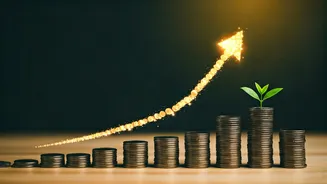
Calling a side hustle a 'wealth-building starter' is a crucial distinction. It reframes the goal from simply earning an extra ₹10,000 a month to something far more strategic. Think of it less as a second job and more as a low-risk business incubator. It’s your personal R&D lab for financial independence. A side hustle allows you to: 1. Test a Business Idea: Have a great idea for a service or product? A side hustle lets you validate market demand without quitting your day job and risking your primary income. 2. Develop High-Income Skills: Many popular side hustles—like performance marketing, video editing, coding, or content strategy—are in high demand. Your side project becomes a real-world training ground, making you more valuable both as an entrepreneur and an employee. 3. Build a Scalable Asset: A job pays you for your time. A successful side hustle, like a YouTube channel, a digital product, or an e-commerce store, can become an asset that generates income even when you're not actively working. This is the first step towards breaking the 'time for money' trap.
The Most Fertile Grounds for Hustlers
While any passion can potentially be monetised, a few key sectors have become hotspots for Indian side hustlers. The Creator Economy is perhaps the most visible, with individuals building massive followings on Instagram and YouTube, and monetising through brand deals and advertising. Content isn't just entertainment; it's a business. Then there's the Knowledge Economy. Professionals are leveraging their expertise by offering online courses, one-on-one coaching, or freelance consulting services on platforms like Upwork and Fiverr. A graphic designer by day might spend their evenings creating logos for international clients. An HR manager might offer career coaching on weekends. Finally, the rise of drop-shipping and platforms like Shopify has made e-commerce accessible to everyone. You no longer need a physical store or massive inventory to become a retailer.
The Reality Check: It’s Not Effortless
Of course, the narrative of turning a passion into a profitable venture isn't always a smooth ride. The term 'side hustle' can often romanticise what is, in reality, hard work. It requires discipline, sacrifice, and exceptional time management. Juggling a full-time job with a growing side business can easily lead to burnout. Furthermore, not every side hustle is destined to become a million-rupee empire. Many will remain a modest source of supplementary income, and that’s perfectly fine. The key is to define your own success. Is the goal to eventually quit your job, or is it to build a financial cushion, pay off debt, or simply fund a passion? Being honest about your goals is essential to avoid disappointment. The journey often involves long hours after your main work is done, facing rejection, and learning to manage everything from marketing to accounts on your own.