

The Gut's Festive Challenge
Our digestive system thrives on routine. The festive season, however, is anything but routine. It brings an onslaught of rich, fried, and sugary foods that are harder and slower to digest. This sudden shift from regular meals to calorie-dense treats can
disrupt your gut's natural rhythm. Overeating becomes common, putting extra stress on your stomach, leading to that all-too-familiar feeling of bloating, gas, and acidity. When one celebration rolls into the next, your gut doesn't get a chance to recover, turning occasional discomfort into a persistent problem that can overshadow the festive cheer.
More Than Just a Tummy Ache
The consequences of poor digestive health go beyond heartburn and an upset stomach. Your gut is often called your body's "second brain" for a reason; it's central to your overall well-being. An imbalanced gut microbiome can affect your energy levels, leaving you feeling sluggish and fatigued despite the exciting atmosphere. It can also impact your mood, immune system, and even the health of your skin. Suddenly, that series of heavy meals isn't just causing temporary discomfort—it's affecting how you feel and function throughout the entire celebratory period.
Stay Hydrated, The Smart Way
One of the simplest yet most effective strategies is to stay hydrated. Water aids digestion, helps prevent constipation by softening stool, and flushes out toxins. Aim for at least 8-10 glasses a day. However, what you drink matters. Limit sugary, carbonated drinks and excessive alcohol, as they can irritate the stomach lining and worsen acidity. Instead, sip on warm water throughout the day. Herbal teas like ginger, fennel, or peppermint are also excellent choices after a meal to help calm the stomach and reduce gas.
Embrace Mindful Indulgence
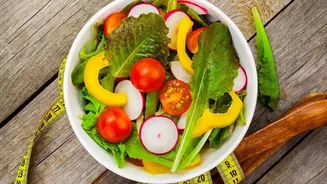
You don't have to completely avoid your favourite festive treats. The key is to practice mindful eating and moderation. Before heading to a party, have a light, fibre-rich snack like a fruit or a handful of nuts to prevent arriving starving, which often leads to overeating. When you're at the table, eat slowly and chew your food thoroughly. This gives your brain time to register fullness and allows you to savour every bite. Try to balance your plate: fill a portion with salads or vegetables to ensure you're getting fibre, which aids digestion.
Recruit Your Gut's Allies
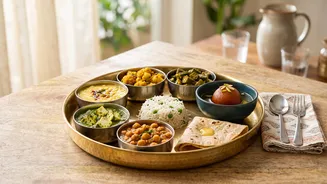
Certain foods can actively support your digestive health. Probiotic-rich foods are fantastic for maintaining a healthy balance of gut bacteria. Incorporate traditional allies like yogurt (dahi) and buttermilk (chaas) into your diet. These not only aid digestion but also have a cooling effect. Ayurvedic wisdom also suggests starting your day with warm water infused with cumin (jeera) or carom seeds (ajwain) to gently awaken your digestive system. A short, 15-minute walk after meals can also do wonders to stimulate digestion and prevent that heavy, sluggish feeling.
Don't Neglect Rest and Movement
The hustle and bustle of celebrations often mean late nights and less time for exercise. However, lack of sleep can increase stress hormones, leading to inflammation and bloating. Similarly, physical activity is crucial for good digestion. You don't need an intense workout; even 20-30 minutes of daily walking stimulates your digestive system and helps manage the extra calories. Also, avoid lying down for at least two hours after a heavy meal to prevent acid reflux and heartburn.