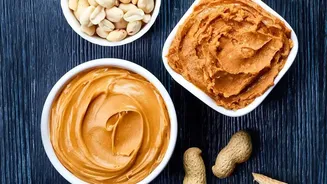






Could a handful of peanuts a day help keep your mind sharp as you age? It’s a tantalising thought for anyone who enjoys this humble and affordable snack. A recent scientific study has put this very idea to the test, with intriguing results.
The Heart of the Study
Researchers
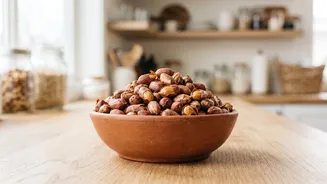
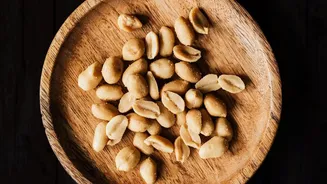
have long been interested in how diet affects cognitive health, especially in aging populations. Several studies have pointed to the benefits of diets that include nuts, like the Mediterranean diet. However, peanuts, which are technically legumes but have a similar nutritional profile to tree nuts, have often been overlooked. A recent study from Maastricht University Medical Centre in the Netherlands aimed to fill this gap. In this small but rigorous trial, a group of 31 healthy adults aged 60 to 75 were asked to consume about 60 grams of unsalted, skin-roasted peanuts daily for 16 weeks. Researchers then compared brain function and blood flow during the peanut-eating phase to a control phase where participants ate no peanuts.
What the Researchers Discovered
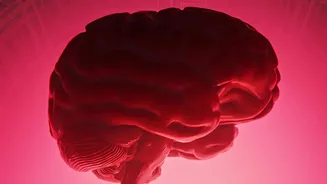
The findings were promising. After 16 weeks, participants who ate peanuts daily showed a notable increase in blood flow to parts of the brain associated with memory and cognition. Specifically, there was a 3.6% increase in overall cerebral blood flow. This is significant because blood delivers the oxygen and nutrients essential for maintaining a healthy brain. The study also noted an improvement in verbal memory. Another key finding related to insulin responsiveness. Insulin, a hormone crucial for regulating blood sugar, also plays a role in brain health by helping nerve cells communicate. The study found that daily peanut consumption improved insulin responsiveness in brain regions critical for memory. This is important because reduced insulin sensitivity in the brain can be a precursor to cognitive decline.
The Science Behind the Snack
So, what makes the humble peanut, or 'moongphali' as it's widely known in India, a potential brain booster? The secret lies in its rich nutritional makeup. Peanuts are packed with bioactive compounds. They contain L-arginine, an amino acid that helps the body produce nitric oxide, which in turn relaxes blood vessels and improves blood flow. They are also a great source of polyphenols, particularly when consumed with their thin, papery skins. These polyphenols, including resveratrol, are powerful antioxidants that can fight inflammation and oxidative stress, both of which contribute to the aging of the brain. Combined with healthy monounsaturated fats, protein, and vitamins like Niacin and Vitamin E, peanuts offer a unique cocktail of nutrients that support brain cell structure and function.
A Crucial Dose of Reality
While these results are exciting, it is vital to put them in perspective, as the headline rightly suggests. The study was very small, involving only 31 participants. Findings from such a small group cannot be generalised to the entire population. As experts point out, these results need to be replicated in much larger and more diverse groups of people to be confirmed. It is also important to note that this study does not prove that peanuts can prevent Alzheimer's disease or other forms of dementia. The observed changes in blood flow and insulin sensitivity are promising markers, but whether they translate into long-term prevention of cognitive disease is still unknown. Other studies have yielded mixed or inconclusive results, highlighting the complexity of nutritional science.
Peanuts in a Balanced Diet
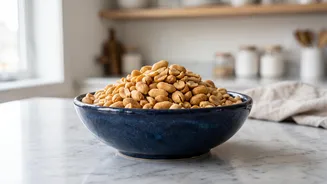
The key takeaway is not to start eating peanuts excessively with the expectation of a miracle cure for memory loss. Instead, this study reinforces the broader message about the importance of a healthy diet. Peanuts can be a valuable part of a balanced eating plan that is rich in a variety of plant-based foods. They are an affordable source of protein, fibre, and healthy fats. When incorporating them into your diet, it is best to choose unsalted and skin-on varieties to maximize the intake of beneficial polyphenols and avoid excess sodium. Ultimately, the strongest evidence for long-term brain health points not to a single 'superfood' but to overall dietary patterns like the Mediterranean diet, regular physical activity, and staying socially and mentally engaged.