





Why Humidity Is the Enemy
The core challenge during the rainy season is moisture. High humidity in the air means that many foods, which are naturally hygroscopic, absorb this moisture. This dampness encourages the rapid growth of mould and bacteria, leading to faster spoilage,
loss of texture, and potential foodborne illnesses. Items like biscuits become soggy, spices clump together into hard rocks, and grains can develop a musty smell or attract pests. Understanding this is the first step to protecting your food.
Smart Shopping and Initial Prep
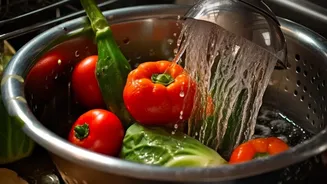
Your food safety strategy begins at the market. During the monsoon, it’s wise to buy fresh produce in smaller quantities more frequently, rather than bulk buying. Avoid purchasing vegetables that are already wet or show signs of wilting. As soon as you get home, remove vegetables from the plastic bags they are often sold in, as these trap moisture and accelerate decay. Before storing, pat everything dry with a clean cloth or paper towel. A crucial rule is to avoid washing most vegetables until you are ready to use them, as the added water invites spoilage.
Storing Fruits and Vegetables
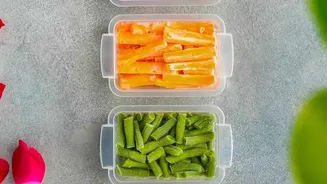
Proper storage methods vary for different types of produce. Leafy greens like spinach and coriander should be wrapped in paper towels to absorb excess moisture and then placed in a ventilated container or a partially open zip-lock bag in the refrigerator. Root vegetables such as potatoes and onions are best kept in a cool, dark, and dry place with good air circulation, not in a sealed plastic bag. For many other vegetables, lining the crisper drawer in your fridge with paper towels can help manage condensation and keep them fresh longer. Some experts also suggest a quick soak in a water and vinegar solution to inhibit fungal growth before drying and storing.
Protecting Grains, Pulses, and Flours
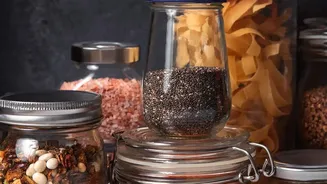
Staples like rice, dal, and atta are highly susceptible to moisture and pests during the monsoon. The most effective defence is transferring them from their original sacks into completely dry, airtight containers. Glass or stainless steel jars are often recommended over plastic. For an extra layer of protection, you can lightly roast items like sooji (rava) before storing to remove any existing moisture. Traditional methods, like adding a few dried bay leaves, neem leaves, or cloves to the container, act as natural insect repellents.
Keeping Spices Aromatic and Dry
Clumped, flavourless spices are a common monsoon frustration. To prevent this, store all your spice powders and whole spices in airtight glass jars away from the stove, sink, and direct sunlight. Heat and steam are major culprits, so avoid shaking spice containers directly over a steaming pot. A simple, age-old trick is to add a few grains of uncooked rice to the jar, which acts as a natural desiccant to absorb any intruding moisture. Ensure you always use a clean, dry spoon when taking spices out of their containers.
Maintaining a Dry Kitchen Environment
Beyond storing food correctly, your overall kitchen environment plays a significant role. Ensure your pantry and storage cabinets are dry and well-ventilated. Regularly wipe down countertops, shelves, and the inside of your refrigerator to prevent mould growth. If you spot any dampness from leaks, address it immediately. Using an exhaust fan while cooking can help reduce the amount of steam and humidity in the air, creating a less hospitable environment for spoilage organisms.