



The Explosive Allegation
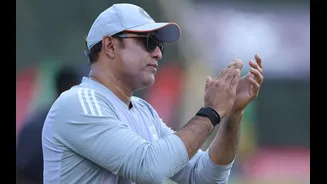
The controversy stems from comments made by sources within the BCCI's Centre of Excellence (CoE), the high-performance centre in Bengaluru headed by VVS Laxman. According to reports from August 2026, sources alleged that players often participate in the IPL
while carrying injuries due to pressure from their franchises and significant financial implications. These players are then sent to the CoE for rehabilitation, complicating their return to national duty. While Laxman himself has been diplomatic, avoiding a direct blame game, he has defended the CoE against criticism over the growing injury list affecting the Indian team. The comments from within his organisation have brought the long-simmering club versus country debate to a boiling point.
Club vs Country: The Central Conflict
The core of the issue lies in the conflicting priorities of the Indian Premier League (IPL) teams and the Board of Control for Cricket in India (BCCI). Franchises invest crores in their star players and naturally want them on the field to maximise their chances of winning the lucrative tournament. The BCCI, on the other hand, is responsible for managing player workloads to ensure they are fit and available for national selection. BCCI secretary Devajit Saikia has admitted that the board cannot significantly interfere with how franchises manage their players' fitness during the IPL season. This creates a grey area where a player, caught between their high-paying franchise and their national board, might be encouraged to play through a minor injury or niggle that could later become severe.
A System Under Scrutiny
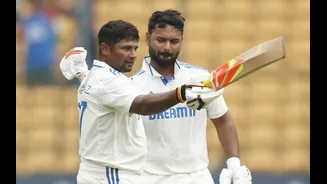
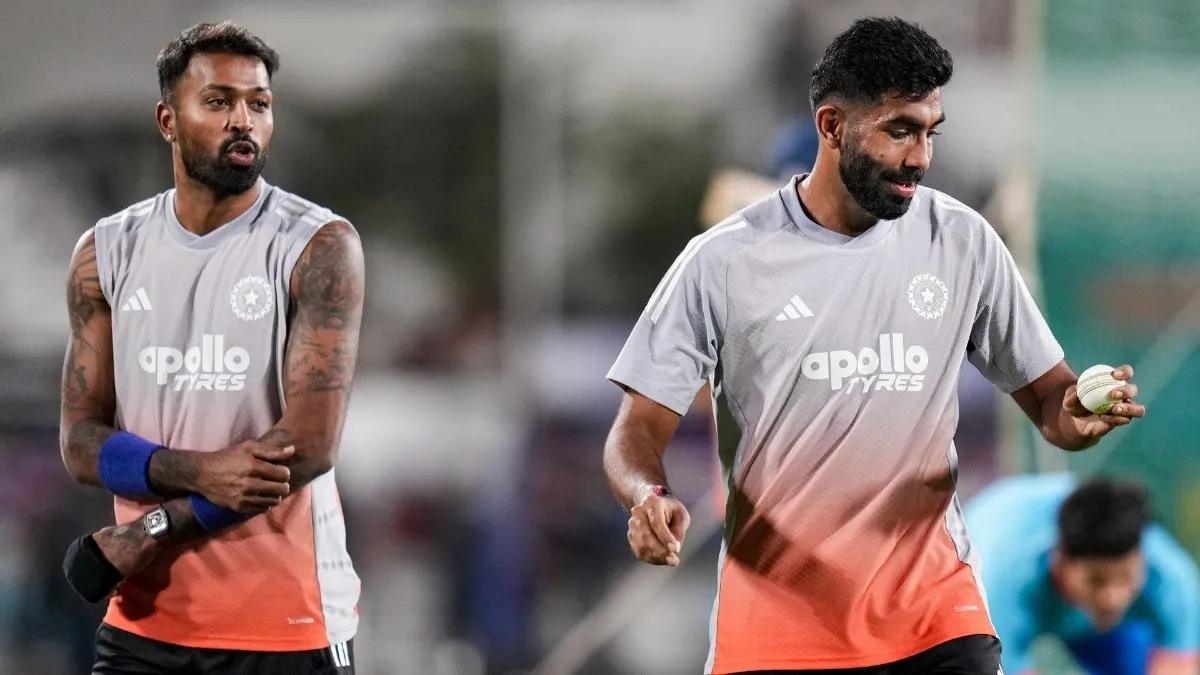
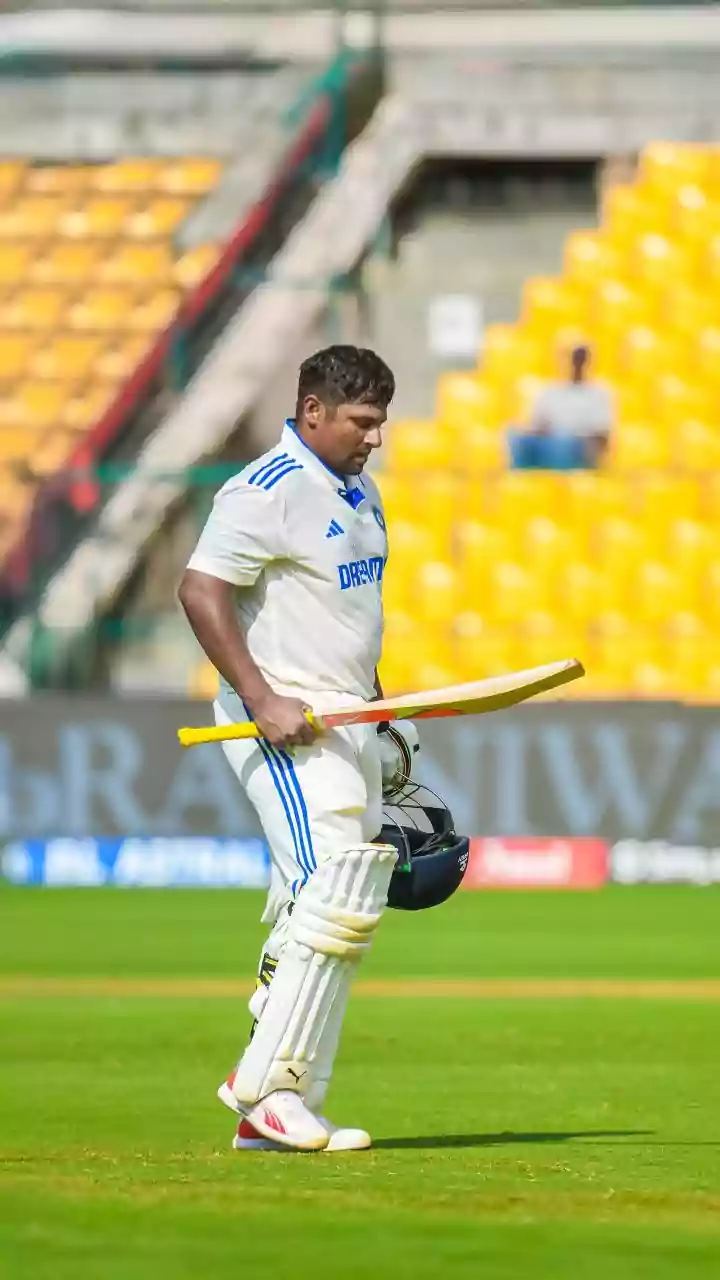
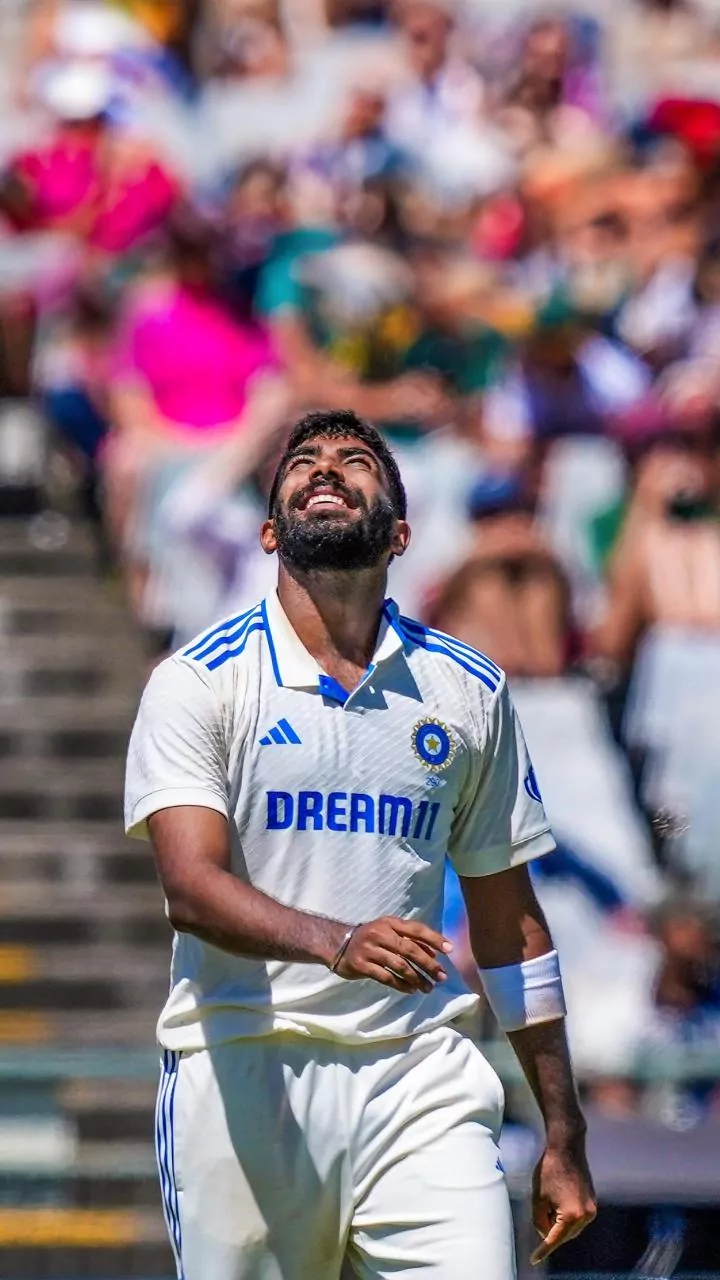
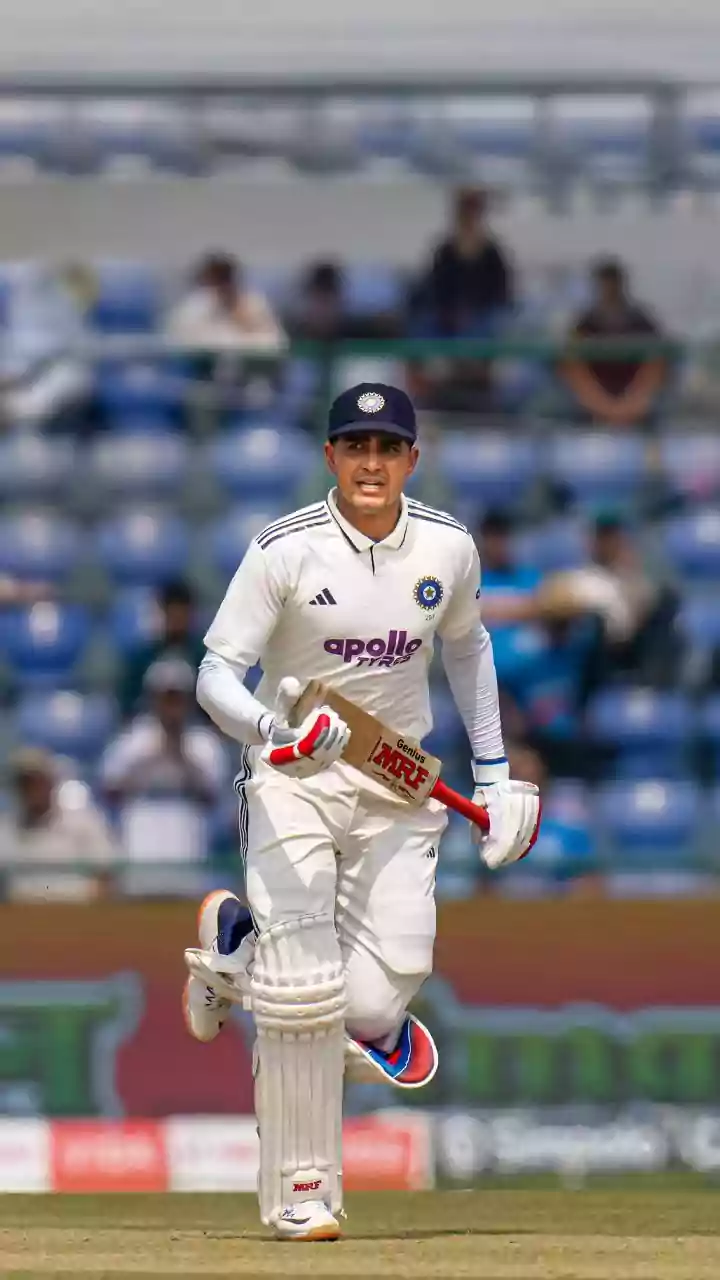
With top players like Jasprit Bumrah, Hardik Pandya, and Sai Sudharsan recently spending time on the sidelines, the injury management process has come under intense scrutiny. Laxman has clarified that the CoE, often called the National Cricket Academy (NCA), is a centre for performance enhancement, not just a rehabilitation clinic. He insists that there is 'brilliant coordination' between the CoE, team management, and the selection committee, explaining that players like Bumrah and Sudharsan were selected for a recent series 'subject to fitness,' with an asterisk marking their conditional inclusion. However, the sheer volume of injuries and the recurring nature of the problem have led to questions about whether this communication is truly effective or if players are falling through the cracks.
The Player's Dilemma
Cricketers face immense pressure from multiple fronts. An IPL contract can be life-changing financially, and the fear of losing that spot or being seen as injury-prone is a powerful motivator. A source from the CoE highlighted that both 'franchise and financial pressures' contribute to players hiding or playing through injuries. With a packed international calendar and a demanding two-month IPL window, the physical toll is immense. Players themselves are often the ones who have to make the difficult call on whether they can manage a niggle, a decision that can have career-altering consequences. The desire to perform for their franchise, coupled with the ultimate dream of playing for India, creates a high-stakes environment where long-term health can sometimes take a backseat to short-term availability.
Finding a Collaborative Solution
While it's easy to point fingers, the situation is complex. IPL franchises are vital stakeholders in the cricket ecosystem, and players are professional athletes who want to compete. The BCCI has previously directed the NCA to work more closely with IPL teams to monitor the workload of key Indian players, acknowledging the reality of burnout. Moving forward, the solution likely lies not in assigning blame, as Laxman himself has urged against, but in fostering greater transparency and a more robust, binding protocol between the BCCI and the franchises. The health of India's top cricketers is the most critical asset for the sport in the country, and protecting it requires a collaborative effort where club and country work in tandem, not in opposition.