









6-12 Months Out: Dream and Document
This is the fun part: dreaming. Where do you want to go? What kind of trip do you envision—a bustling city tour, a relaxing beach escape, or a multi-country adventure? Start by shortlisting a few destinations that fit your travel style and ideal dates.
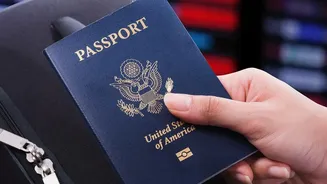
Once you have a couple of ideas, the single most important action is to check your passport. Many countries require your passport to be valid for at least six months after your planned departure date. If you need to apply for a new one or renew an old one, do it now. Processing times can take months, and this one document is your non-negotiable ticket to the world. This is also a good time to create a rough budget. Research flight and accommodation costs for your potential destinations to get a realistic idea of the total expense.
4-6 Months Out: Book the Big Things
With a destination in mind, it’s time to lock in the major components. First, investigate visa requirements for your chosen country. Some nations require a formal application process that can take weeks or even months, so it is crucial to start this early. Check the official embassy or consulate website for the most accurate information. Once you are clear on visa rules, you can confidently book your international flights. Generally, booking international flights between two and six months in advance hits a sweet spot for price and availability. For peak season travel, aim for the earlier side of that window. After flights are secured, book your accommodation for at least the first and last nights of your trip. This provides a solid anchor for your itinerary and peace of mind upon arrival and before departure.
2-3 Months Out: Build Your Itinerary
Now you can start filling in the blanks. This is the time to book any major internal travel, like long-distance trains or domestic flights between cities. If there are specific high-demand tours, famous restaurants, or special events you don't want to miss, book them now. This is especially true for experiences with limited capacity. Begin to sketch out a loose daily itinerary. You don’t need to plan every minute, but having a general idea of what you want to see and do each day helps you make the most of your time. Research local transport options, like subway passes or rental cars. Also, if your trip requires any vaccinations or specific medications, schedule a visit with your doctor at least eight weeks before you go.
1 Month Out: Handle the Logistics
With your departure date approaching, focus on the practical details. Purchase comprehensive travel insurance. This is a crucial step that protects you from unforeseen events like medical emergencies, trip cancellations, or lost luggage. Notify your bank and credit card companies of your travel dates to prevent them from flagging foreign transactions as fraud. This is also a good time to order a small amount of local currency to cover immediate expenses like a taxi or a coffee upon arrival. Start creating a detailed packing list. Think about the climate, planned activities, and local customs. Don't forget essentials like a universal travel adapter, a portable power bank, and any prescription medications in their original containers, along with a copy of the prescription.
The Final Week: Last-Minute Checks
The final countdown is on. Pack your bags, keeping airline luggage weight and liquid restrictions in mind. It's wise to pack essentials like medication, a change of clothes, and documents in your carry-on. Make digital and physical copies of all your important documents: passport, visa, flight confirmations, hotel reservations, and travel insurance. Leave one set with a trusted person at home and keep another set with you, separate from the originals. Download offline maps, translation apps, and your airline's app. Charge all your electronics, confirm your flight status one last time, and arrange your transport to the airport. Now, all that's left is to get a good night's sleep before your adventure begins.