






More Than Just a Tropical Fair
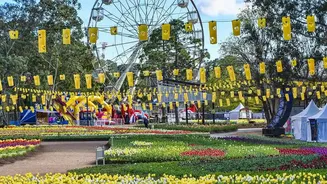
Every October, the Andaman and Nicobar Administration, through its Directorate of Information, Publicity & Tourism, organises the Island Coconut Carnival. While it features the music, dance, and cultural performances typical of a tourism festival, its core
mission is deeper. The event is designed as a strategic platform to celebrate and boost the local economy, with a special focus on the coconut, the islands' primary cash crop. Held at the ITF Ground in Sri Vijaya Puram (formerly Port Blair), the carnival brings together government agencies, entrepreneurs, self-help groups (SHGs), and the general public to create a bustling marketplace that directly connects producers with consumers. This creates a unique ecosystem where culture and commerce merge, providing a tangible boost to local livelihoods.
A Direct Lifeline for Coconut Farmers
For the coconut farmers of Andaman, the carnival is a critical opportunity for income generation. The administration actively encourages their participation, along with that of SHGs and local entrepreneurs, to showcase and sell a wide array of coconut-based products. This goes far beyond just selling raw coconuts. The festival becomes a launchpad for value-added items like virgin coconut oil, desiccated coconut, and innovative culinary creations, which command higher prices and increase profitability. The event also hosts competitions, such as coconut de-husking contests, which celebrate traditional skills and draw attention to the crop's cultural significance. By providing a direct-to-consumer platform, the carnival helps farmers bypass intermediaries, ensuring they retain a larger share of the profits. This aligns with broader government efforts to support coconut growers through subsidies for seedlings, irrigation, and processing equipment.
Showcasing the Artistry of the Islands
Alongside farmers, island artisans are central to the carnival's success. The event provides a dedicated space for them to exhibit and sell their unique handicrafts. These are not generic souvenirs but authentic creations that reflect the cultural heritage of the Andamans. Visitors can find intricate items made from coconut shells, polished shell jewellery, and beautiful wooden artefacts. This platform is invaluable for artisans, many of whom work in remote areas and have limited access to larger markets. The carnival allows them to engage directly with tourists and locals, gain feedback, and build a reputation for their craftsmanship. The administration invites participation from artisans, SHGs, and NGOs, turning the festival ground into a vibrant hub of local art and commerce that fosters economic independence and preserves traditional skills.
Building a Sustainable Economic Model
The empowerment driven by the October carnival is a key part of a larger vision for sustainable tourism in the islands. By putting local producers at the heart of its main tourism events, the Andaman administration is fostering a more inclusive economic model. When tourists spend money on locally made products—be it a coconut-based dish or a handcrafted souvenir—that revenue stays within the community, stimulating small and medium-sized enterprises. This approach not only enhances the financial security of farmers and artisans but also enriches the visitor experience. Tourists get a genuine taste of the islands' culture and heritage, moving beyond generic attractions to engage with the people who make the Andamans unique. This model demonstrates that tourism can be a powerful force for good, driving development while respecting both the environment and local traditions.