






The Persistent Pinch at the Kirana
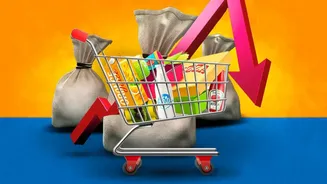
The most immediate impact for most urban households is felt in the grocery bill. Recent data from September and October 2026 shows a noticeable acceleration in food inflation, which is a primary driver of the overall rise in the Consumer Price Index (CPI).
Food inflation jumped to 7.74% in September, with rural households feeling an even sharper pinch than their urban counterparts. The main culprits are often seasonal vegetables and staples. Prices for key items like onions, garlic, and ginger have seen dramatic year-on-year inflation, in some cases exceeding 50% or even 100%. While some of this is due to weather patterns and crop cycles, higher transportation costs also play a significant role, embedding fuel price hikes into the cost of food delivered to city markets. Even dairy products have remained expensive due to the rising cost of cattle feed.
Fueling the Cost of Everything
The price of petrol and diesel is a critical factor that ripples through the entire economy. While major state-run oil companies have kept retail prices largely stable in major metro areas recently, any upward adjustment has a cascading effect. Some private fuel retailers have already increased prices in October 2026, citing the high cost of global crude oil, which has been trading above $100 a barrel. For urban families, this translates to more expensive daily commutes, whether by private vehicle or auto-rickshaw. But the impact is broader: higher fuel costs increase the expense of transporting virtually all goods, from fresh produce to manufactured products, contributing to the price rises seen on retail shelves. This wholesale price pressure is a leading indicator of future retail inflation.
Housing and Household Utilities
Beyond food and fuel, the cost of keeping a home running is also on the rise. Housing, which is the single biggest expense for many urban families, continues to be a major financial pressure point, with cities like Mumbai and Delhi leading in rental costs. While inflation in the 'housing, water, electricity, gas and other fuels' category has been comparatively moderate, global energy price volatility remains a risk. Any increase in the price of LPG cylinders or electricity tariffs directly squeezes disposable income, forcing families to make difficult choices in other areas of their budget. These fixed costs are less flexible, meaning any price increase is difficult to absorb without cutting back elsewhere.
A Cautious Approach to Spending
The cumulative effect of these rising costs is evident in consumer behaviour. Studies from 2026 indicate a trend of increasing caution among urban spenders. For the first time in several years, some reports show that the consumption slowdown is being led by urban India, with households across all income segments pulling back on spending. Even festive season spending projections for 2026 are more subdued, with a notable percentage of households planning to skip non-essential purchases altogether or fund them through savings rather than new credit. This suggests that while essentials are being protected, discretionary spending on things like entertainment, dining out, and certain durable goods is facing greater scrutiny as families work to balance their budgets in an inflationary environment.