




What is Agrivoltaics?
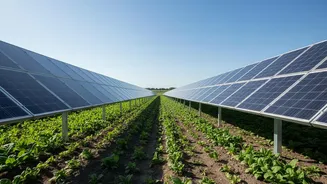
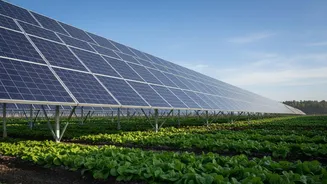
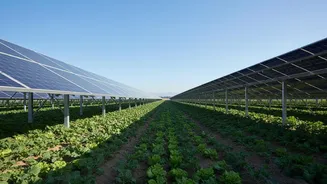
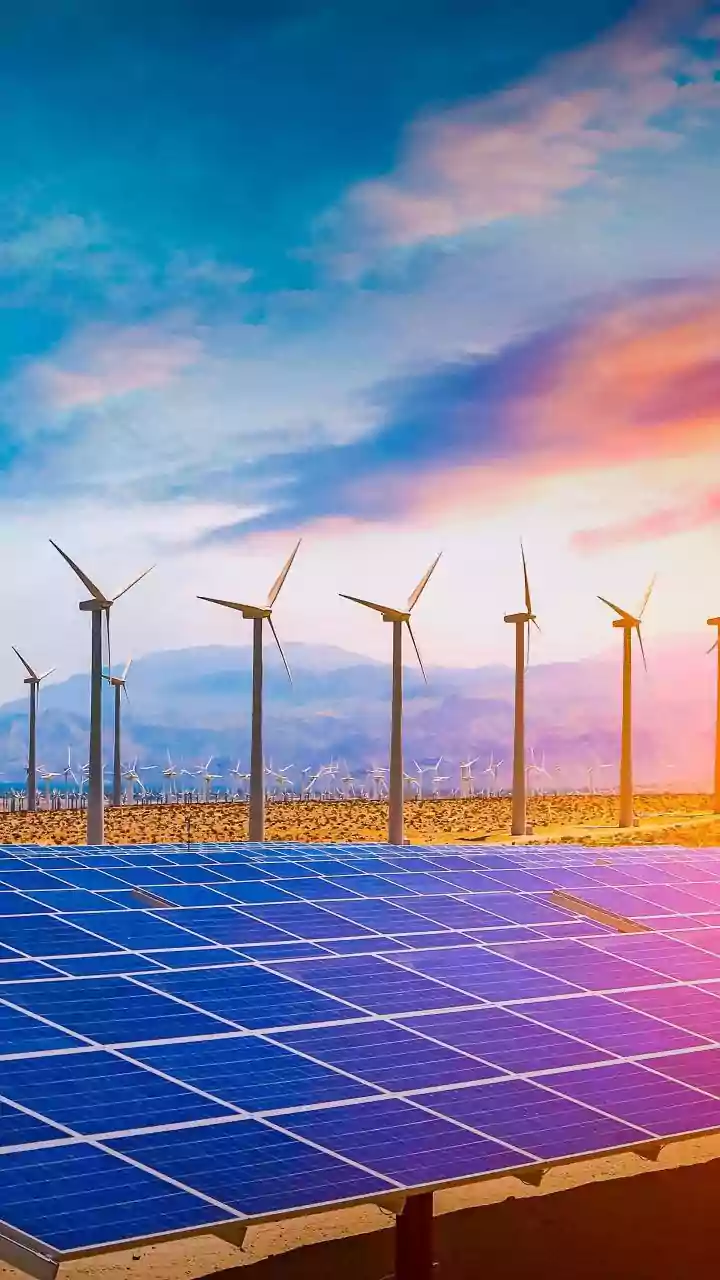
Agrivoltaics, sometimes called agri-PV, is the practice of co-locating agricultural production and solar energy generation. Instead of dedicating a plot of land exclusively to a solar farm, panels are installed on elevated structures, typically a few
metres high. This allows crops to be cultivated in the space underneath. The idea is to create a symbiotic relationship: farmers get a new revenue stream from selling electricity, while the panels can provide benefits to the crops below, turning a single plot of land into a dual-income generator.
Why is India Betting on It?
Land is a finite and fiercely contested resource in India. As the country pushes to meet its ambitious renewable energy targets—aiming for 500 GW of non-fossil capacity by 2030—the demand for large tracts of land for solar farms creates conflict with agriculture. Agrivoltaics offers a way out of this 'food vs. fuel' dilemma. Government initiatives like the PM-KUSUM scheme, which encourages farmers to install solar pumps and power plants, are increasingly looking to integrate agrivoltaics. A planned second phase, PM-KUSUM 2.0, is expected to include a dedicated component for agri-PV, turning farmers from just 'annadata' (food providers) into 'urjadata' (energy providers) as well.
The Double-Edged Sword of Shade
The central issue at the heart of agrivoltaics is the shade cast by the solar panels. This effect is not straightforward and can be both a blessing and a curse, depending on the crop, climate, and system design. On the one hand, the shade can protect plants from harsh sunlight and heat stress, reduce water evaporation from the soil by up to 30%, and even shield crops from hail damage. This creates a more stable microclimate, which is beneficial in India's increasingly extreme weather conditions. On the other hand, all plants need sunlight for photosynthesis. Too much shade can reduce crop yields, particularly for sun-loving staples like rice and wheat, where some studies have shown significant drops in production under heavy shading.
Finding the Right Balance
The success of any agrivoltaics project hinges on finding the perfect balance between energy generation and agricultural output. Researchers across India are actively studying this complex equation. Institutes like the Indian Council of Agricultural Research (ICAR) are running pilot projects to determine which crops are best suited for cultivation under panels. Early results suggest that shade-tolerant crops like turmeric, ginger, coriander, and many leafy vegetables show promise, with some pilots reporting no negative impact or even increased yields. The design of the solar array itself is also crucial; factors like panel height, density, and spacing are being optimised to allow sufficient sunlight to reach the crops below while maximising energy production.
Challenges Beyond the Canopy
While managing shade is a key technical hurdle, it's not the only challenge. Agrivoltaics systems are more complex and have a higher initial installation cost than traditional ground-mounted solar farms, which can be a significant barrier for small-scale farmers. There are also increased maintenance costs and operational complexities in managing farm equipment around the panel structures. For agrivoltaics to scale up from promising pilot projects to a widespread national solution, it will require not only technical innovation but also strong policy support, clearer regulations, and financial models that make these systems accessible and profitable for the average Indian farmer.