


Understanding Your Opponent: What Is Root Rot?
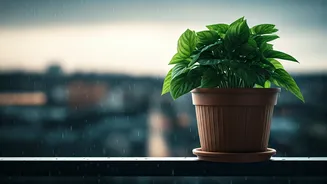
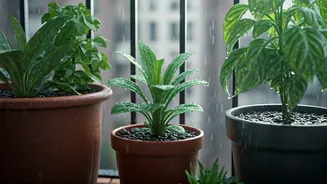
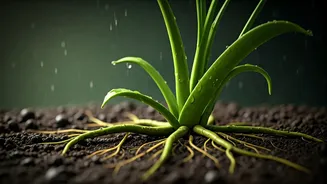
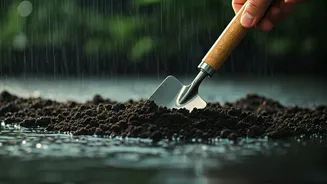
Root rot is a plant disorder that occurs when roots are deprived of oxygen because the soil is waterlogged. This suffocating, damp environment becomes a breeding ground for fungi and bacteria that cause the roots to decay. July's continuous, heavy rainfall
creates these perfect storm conditions, especially for potted plants. Without air, roots can't absorb nutrients and water effectively, and the plant essentially begins to drown, even though it's surrounded by water.
Early Warning Signs to Watch For
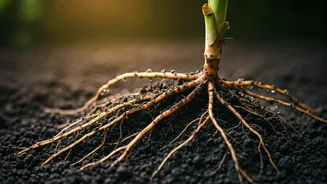
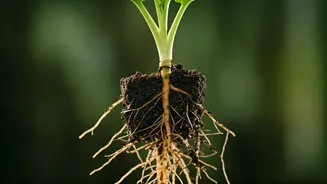
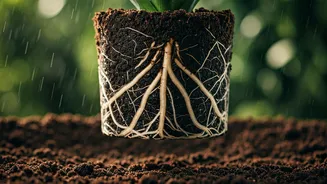
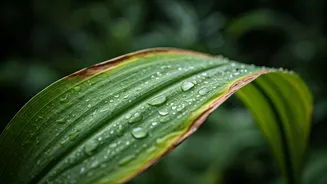
The first clues of root rot appear above ground. You might notice leaves turning yellow and dropping, particularly the older ones closest to the soil. A key tell-tale sign is a plant that looks wilted and thirsty even when the soil is visibly wet. Other symptoms include stunted or slowed growth and a generally unhealthy appearance. If you get closer, you might detect a foul, musty smell coming from the soil, which is a strong indicator of decay beneath the surface. To confirm, you'll need to gently inspect the roots; healthy roots are typically white and firm, while rotten roots will be brown or black, soft, and mushy to the touch.
Defence Strategy 1: The Right Potting Mix
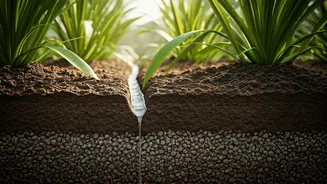
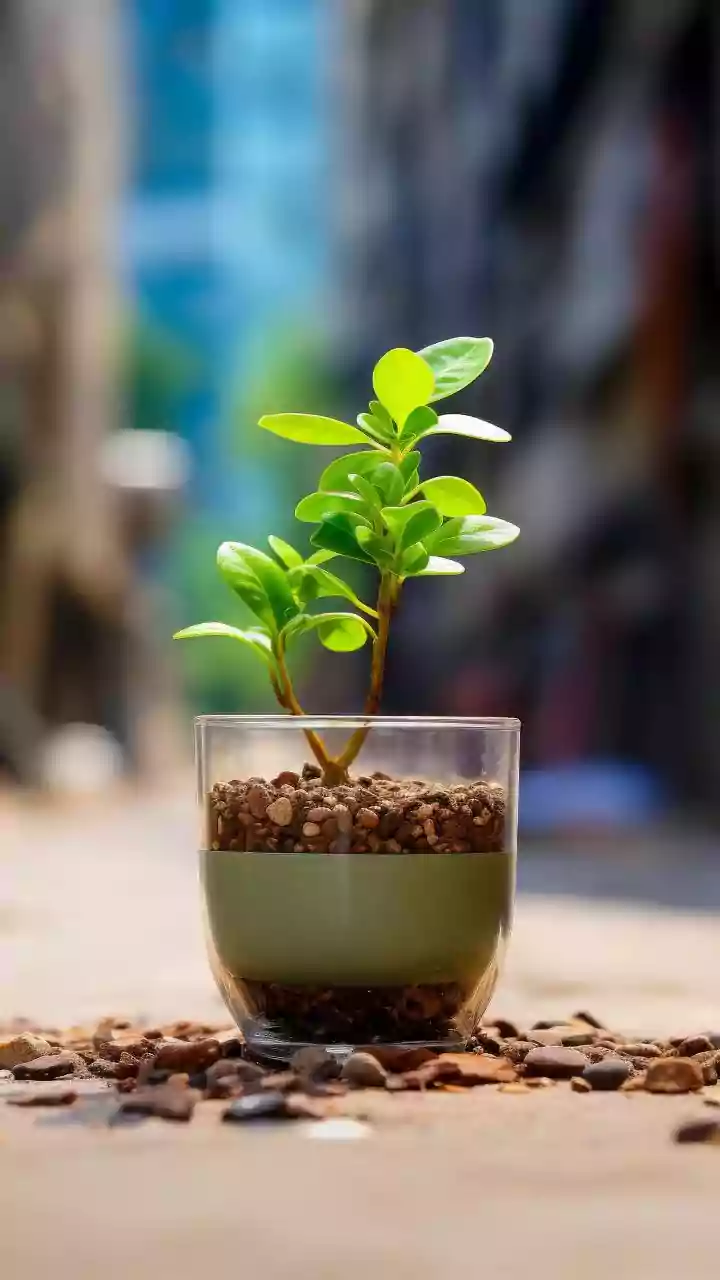
Your best defence against root rot starts with the soil itself. Standard garden soil becomes heavy and compacted in pots, trapping water. For containers, always use a well-draining potting mix. You can buy pre-made mixes or create your own. A fantastic blend for the Indian climate consists of cocopeat, compost, and a material for aeration like perlite or coarse river sand. A good starting ratio is 50% cocopeat (for structure and moisture retention), 20-30% vermicompost (for nutrients), and 20-30% perlite or sand (for drainage). During heavy monsoon, increasing the sand or perlite content helps excess water escape even faster.
Defence Strategy 2: Improve Drainage and Airflow
Even the best soil needs an escape route for water. Ensure every pot has drainage holes at the bottom. During the rainy season, elevate your pots using bricks, tiles, or pot feet. This simple step prevents the drainage holes from getting blocked and allows water to flow out freely. For plants in garden beds, you can create shallow channels to direct excess water away from the root zones. Additionally, good air circulation around the plants helps foliage and soil dry faster, reducing the risk of fungal diseases. Avoid overcrowding plants and consider trimming lower leaves that might trap moisture near the soil.
Defence Strategy 3: Mindful Watering and Shelter
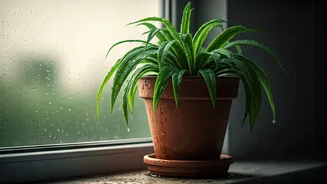
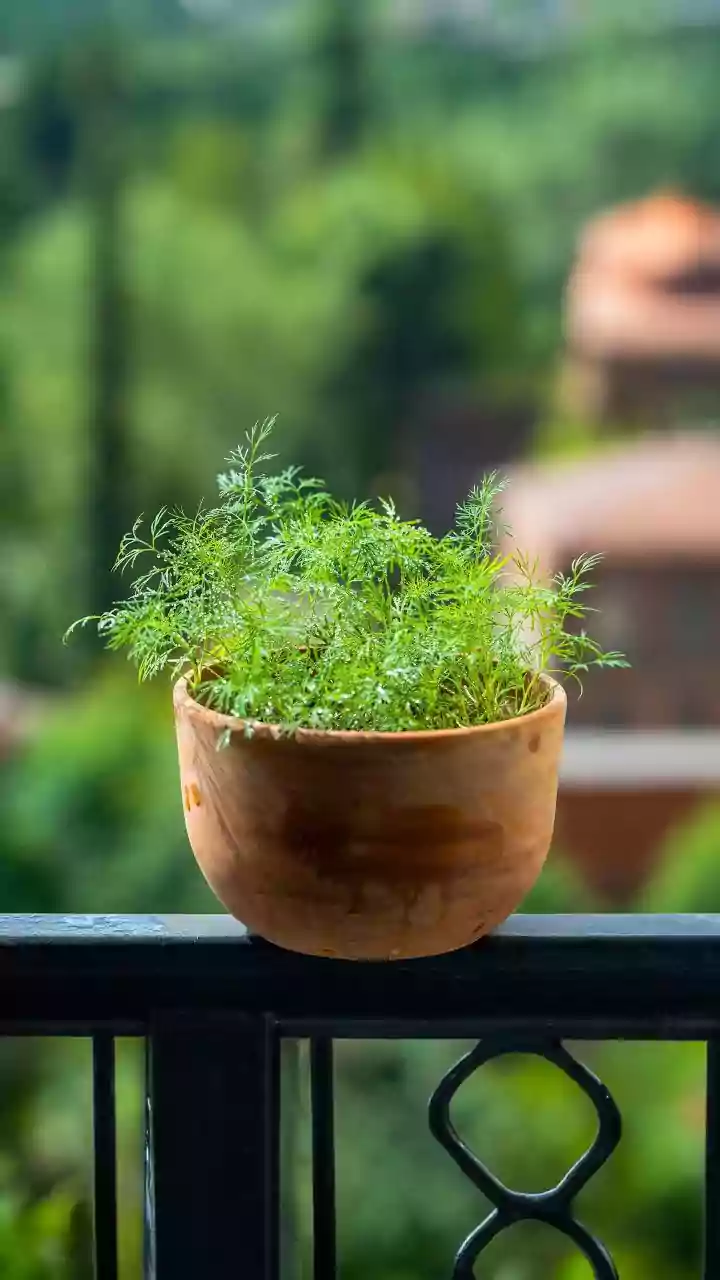
It may seem counterintuitive, but you still need to be mindful of watering during the monsoon. The rain might not be enough, or it might be far too much. Always check the soil before watering. Stick your finger about an inch or two into the soil; if it feels damp, do not water. If you have potted plants on an open terrace or balcony, consider moving them to a sheltered spot, like under an eave, during periods of unrelenting heavy rain. This gives you control over how much water your plants receive, preventing them from becoming waterlogged.
Emergency Care: How to Treat an Affected Plant
If you suspect a plant already has root rot, you must act quickly. Gently remove the plant from its pot and wash away the soil to inspect the roots. Using a pair of clean, sterilized scissors, carefully trim away all the brown, black, and mushy roots. Be thorough, as any remaining rot can spread. If you've had to remove a large portion of the root ball, it's a good idea to prune back about a third of the plant's leaves as well; this reduces the stress on the remaining roots as they recover. Finally, repot the plant in a clean pot with fresh, well-draining soil. Water it lightly and place it in a spot with indirect sunlight until it shows signs of new growth.