





The Soul of the Blend: Why Origin Matters
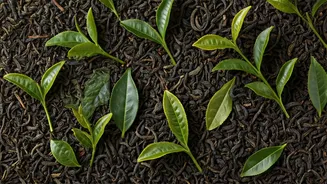
The story of any great tea blend begins with its origin. Much like wine grapes, tea leaves possess 'terroir'—a unique character shaped by the soil, climate, and altitude of where they are grown. A single-origin tea comes from one specific location, offering
a pure taste of that place, but its flavour can vary with each harvest. Blends, on the other hand, are crafted for consistency. A classic English Breakfast blend, for example, might combine robust Assam tea from India for its malty depth, bright Ceylon tea from Sri Lanka for its crisp notes, and a Kenyan tea for its rich colour. This artful combination of different origins is what allows a blender to create a reliable and balanced flavour profile that customers can enjoy year after year. Understanding the origin tells you what to expect; it’s the foundation upon which all other flavours are built.
The Life of the Leaf: The Pursuit of Freshness
Tea is an agricultural product, and like most things from the earth, it is best when fresh. Freshness directly impacts the flavour and aroma of your tea. Over time, the natural oils in tea leaves, which are responsible for their vibrant taste, begin to fade. The main enemies of fresh tea are air, light, moisture, and heat. Exposure to any of these will cause the delicate aromatic compounds to degrade, resulting in a dull or stale cup. Lightly oxidized teas, such as green and white teas, are the most sensitive and should be consumed within six to twelve months of harvest. More oxidized black teas are more stable, often lasting for up to two years if stored correctly. To preserve freshness, always store tea in an airtight, opaque container in a cool, dark place away from strong odours like coffee or spices, which tea can easily absorb.
The Art of Harmony: Achieving Perfect Balance
Balance is the key to a truly masterful tea blend. It’s the artful process of combining different teas and ingredients so that no single element overpowers the others; instead, they work in harmony to create a cohesive and complex flavour. A skilled blender thinks like a composer, using base notes, middle notes, and top notes to build a complete sensory experience. The base, often a black, green, or herbal tea, typically makes up 60% to 75% of the blend and provides the foundational body and character. The other ingredients, like flowers, spices, or dried fruit, are considered accent notes. For example, in a classic Earl Grey, the strong, malty base of black tea is balanced by the bright, citrusy top note of bergamot oil. In a chai blend, whole spices are often used instead of ground ones to ensure their flavours release slowly during brewing and don't overwhelm the tea base. This harmonious interplay is what transforms a simple mix of ingredients into a sophisticated and satisfying blend.
From Leaf to Cup: What to Look For
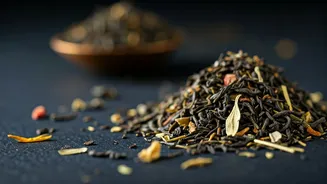
Now that you know the principles, you can become a more discerning tea drinker. When shopping for tea, look for brands that provide information about the origin of their leaves. Check for a harvest or packaging date to get a sense of its freshness, especially for delicate green teas. The ingredients list should be clear. While flavourings and essential oils are common for enhancing aroma, a high-quality blend will also feature visible pieces of real fruit, flowers, or spices. Don't be afraid to ask questions. A knowledgeable seller should be able to tell you about the blend's components and flavour profile. Finally, trust your own palate. Experimenting with different blends is the best way to discover what you enjoy. Paying attention to origin, freshness, and balance will guide you toward a more flavourful and rewarding tea experience, turning your daily cup into a small, delightful ritual.