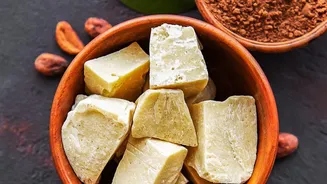




The idea of slathering chocolate on your face sounds like a delicious dream. But is it just a fun, fragrant gimmick, or can cocoa actually benefit your skin? Let's unwrap the science behind this sweet treatment and see what’s really going on.
The Power of Cacao
The magic
ingredient isn't the chocolate bar from your snack drawer, but rather its core component: cacao. Raw cacao and high-quality cocoa powder are packed with beneficial compounds. The most notable are flavonoids, a type of antioxidant that fights against free radicals—unstable molecules from pollution and UV rays that can cause premature ageing. Beyond antioxidants, cocoa contains essential minerals like magnesium, iron, and zinc, which are vital for healthy skin function and cell regeneration. It also contains theobromine, a compound that helps increase blood flow to the skin's surface, promoting a healthier, more vibrant complexion.
What Are the Actual Skin Benefits?
When used correctly, cocoa can offer several tangible benefits for your skin. Its powerful antioxidant properties help protect the skin from environmental damage and oxidative stress, which can reduce the appearance of fine lines and wrinkles. The anti-inflammatory qualities of cocoa can also help soothe redness and irritation, making it potentially beneficial for calming stressed or sensitive skin. Furthermore, cocoa butter, a natural fat from the cacao bean, is an excellent moisturiser that helps to hydrate the skin and strengthen its natural barrier, locking in moisture to keep it soft and supple. Some studies have even shown that compounds in cocoa can boost circulation and support collagen production, which is crucial for maintaining skin elasticity.
Not All Chocolate Is Equal
Before you reach for a melted candy bar, it's crucial to understand the difference between various chocolate products. The benefits are found in pure, unsweetened cocoa or raw cacao powder. These are minimally processed and retain a high concentration of antioxidants. In contrast, most commercial chocolate bars and syrups are loaded with sugar, milk solids, and other additives. Sugar can lead to inflammation and break down collagen in the skin, potentially worsening conditions like acne. For skincare, you should always opt for products that specify a high percentage of cacao (ideally 70% or more) or use pure, unsweetened cocoa powder. The rule of thumb is simple: the darker and more bitter, the better it is for your skin.
DIY vs. Store-Bought Masks
You can find many professionally formulated chocolate masks on the market, which are often combined with other beneficial ingredients like clays, vitamins, and hyaluronic acid. These products are tested for stability and efficacy. However, creating your own mask at home can be a simple and affordable alternative, giving you full control over the ingredients. A basic and effective DIY chocolate face mask can be made by mixing pure, unsweetened cocoa powder with a hydrating base. For example, mixing one tablespoon of cocoa powder with two tablespoons of plain yogurt provides both antioxidants from the cocoa and gentle exfoliation from the lactic acid in the yogurt. For dry skin, mixing cocoa powder with a small amount of honey and a nourishing oil like almond or jojoba can create a deeply moisturising treatment.
A Simple At Home Recipe
Ready to try it yourself? Here is a simple recipe for a nourishing chocolate face mask suitable for most skin types. What You Need:
- 1 tablespoon of unsweetened cocoa powder
- 2 tablespoons of plain, full fat yogurt (or mashed banana for extra vitamins)
- 1 teaspoon of honey (a natural humectant and antibacterial)
Method:
Mix all the ingredients in a small bowl until you have a smooth, consistent paste. Apply a thin layer to your clean, dry face, avoiding the immediate eye area. Let the mask sit for 15–20 minutes. It may start to feel tight as it dries. To remove, gently wash it off with lukewarm water and pat your skin dry with a soft towel. Always remember to perform a patch test on a small area of your skin first to check for any irritation.