




Beyond Lithium: A Salty Solution
For years, the electric vehicle revolution has run on lithium, a metal that is effective but costly and concentrated in a few parts of the world. The search for a cheaper, more abundant alternative is leading researchers to a surprising place: the kitchen
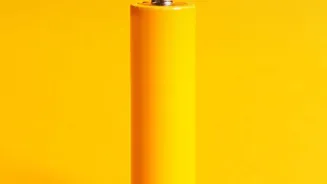
salt shaker. The technology at the heart of this shift is the sodium-ion battery. As the name suggests, it uses sodium—a key component of common salt—as its primary element for storing and releasing energy. This isn't a brand-new idea, but recent advancements are finally making it a commercially viable challenger to lithium-ion's dominance, especially for smaller vehicles like electric scooters. Major battery manufacturers like CATL have announced that mass production of their sodium-ion cells will begin in 2026, marking a major turning point from lab experiment to real-world product.
The Abundance Advantage
The core appeal of sodium-ion technology comes down to basic economics. Sodium is one of the most abundant elements on Earth, found globally in rock salt and seawater. This makes it fundamentally cheaper and its supply chain more stable than lithium's. Unlike lithium, which requires extensive mining and is subject to price volatility, sodium is inexpensive and readily available everywhere, including India. This allows for significant cost savings in manufacturing. Sodium-ion batteries also eliminate the need for other expensive and ethically complicated materials like cobalt and can use cheaper aluminium foil instead of copper in their construction, further driving down the price. For the Indian market, where the cost of an electric scooter battery can range from ₹25,000 to over ₹70,000, this development is a potential game-changer.
Silicon's Supercharging Role
While cheapness is a huge plus, early sodium-ion batteries had a critical weakness: lower energy density. Simply put, they couldn't store as much power as a lithium-ion battery of the same size, limiting vehicle range. This is where the second part of the innovation—silicon—comes in. By incorporating silicon into the battery's anode (the negative electrode), developers are overcoming these performance hurdles. Silicon can store significantly more ions than the traditional graphite used in anodes, which boosts both energy density and charging speed. While the headline specifically mentions silicon with salt (sodium), much of the current mass-production push for sodium-ion batteries focuses on hard carbon anodes. However, silicon anode technology is simultaneously maturing and already appearing in high-end lithium-ion batteries, promising faster charging and more range. The combination of a low-cost sodium base with a high-performance anode material is the holy grail for affordable EVs.
Cheaper Scooters and Better Performance
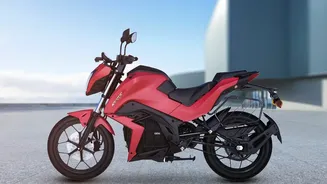
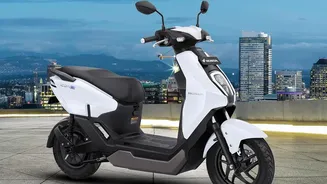
For the average Indian consumer, this technological shift translates into tangible benefits. The primary one is a lower sticker price. A cheaper battery pack directly reduces the overall cost of an electric scooter, bringing it closer to, or even below, the price of its petrol-powered counterparts. Beyond cost, sodium-ion batteries offer surprisingly robust performance, especially in conditions that challenge lithium-ion cells. They are safer, with a lower risk of fire, and perform exceptionally well in extreme temperatures. Reports show they can retain over 90% of their capacity in freezing conditions, a significant advantage over lithium batteries. Furthermore, they boast an impressive lifespan, with some designs capable of handling over 10,000 charge cycles—far more than typical lithium-ion batteries. This means a longer-lasting vehicle and better value for money.
From Lab to a Road Near You
This isn't a far-off dream. The transition is already beginning. Global battery giant CATL is starting mass production of sodium-ion batteries in 2026, and Chinese automakers are already rolling out the first passenger cars equipped with them. Several companies, including Pylontech, are now focusing on bringing sodium-ion batteries to the light electric vehicle market. In India, Reliance Industries has a subsidiary, Faradion, that has developed sodium-ion battery packs specifically demonstrated for e-bike and e-scooter applications. While it will take time for the technology to become widespread and fully displace lithium-ion in the scooter market, the pieces are moving into place. The first wave of sodium-ion powered e-scooters is expected to prioritize affordability and durability for urban commuting, where extreme range is less critical.