







The Rise of the Personal Fuel Gauge
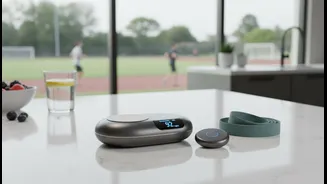
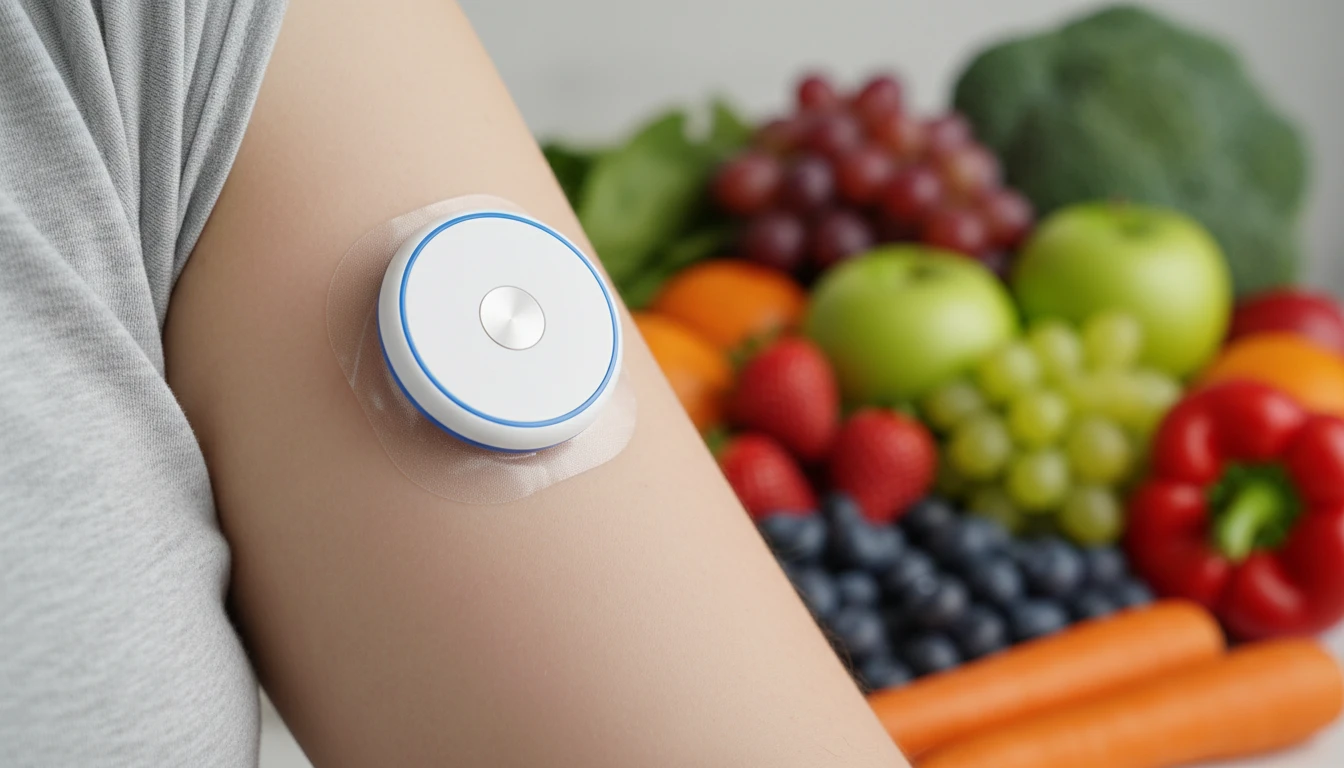
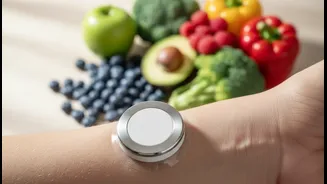
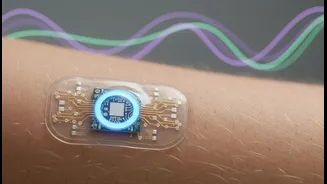
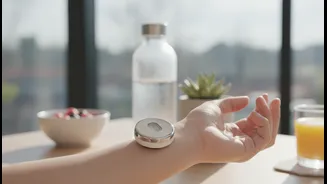
The device at the center of this trend is the continuous glucose monitor, or CGM. Traditionally used by people with diabetes, a CGM is a small, wearable sensor—often on the back of the arm—that tracks your glucose (sugar) levels around the clock. A tiny
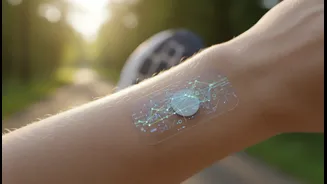
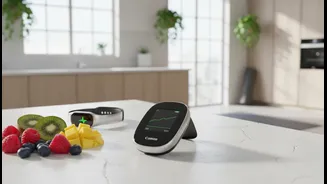
filament sits just under the skin, measuring the glucose in the fluid between your cells every few minutes. This data is then sent wirelessly to a smartphone app, giving you a dynamic, 24/7 picture of how your body responds to food, exercise, stress, and sleep. Unlike a traditional finger-prick test that offers a single snapshot, a CGM provides a continuous stream of information, revealing patterns that were once invisible.
Why Fitness Enthusiasts Are Hooked
For the health-conscious individual without diabetes, the appeal of a CGM is its power to personalize wellness. The goal is to move beyond generic advice and understand their unique metabolic responses. Users are turning to this data to optimize energy, improve athletic performance, and make smarter dietary choices. By seeing exactly how a bowl of oats versus a piece of fruit affects their glucose levels, they can fine-tune their meals to avoid energy-sapping sugar spikes and crashes. For athletes, this data can be a game-changer, helping them dial in their pre-workout fuel and post-workout recovery for maximum results.
A Data-Driven Approach to Health
The data from a CGM can be incredibly motivating. When you see in real-time how a brisk walk after a meal helps stabilize your glucose levels, you’re more likely to make that a regular habit. Startups and health-tech companies in India have been quick to tap into this trend, offering platforms that not only provide the hardware but also interpret the data. Brands like Ultrahuman and Sugar.fit pair the CGM sensor with apps that offer personalized suggestions on food and exercise, effectively providing a metabolic coach in your pocket. This has made the technology more accessible and understandable for a mainstream audience curious about bio-hacking their way to better health.
What Do the Experts Say?
While the trend is growing, many medical professionals advise caution. They point out that research on the benefits of CGM use for healthy, non-diabetic individuals is still limited. While some endocrinologists agree it can help people understand the impact of different foods, they warn against over-interpretation. Glucose levels naturally fluctuate, and a spike after a meal isn't necessarily a cause for alarm in a healthy person. There are also concerns that constant monitoring could lead to unnecessary anxiety or an unhealthy obsession with data. Furthermore, factors like stress, hydration, and sleep also impact glucose, and without proper context, the data can be misleading.
Is It Right For You?
Deciding to use a CGM is a personal choice that involves weighing the potential insights against the costs and potential downsides. The devices and their accompanying subscriptions can be expensive, as they are generally not covered by insurance for non-diabetic use. A single sensor typically lasts for about 14 days before needing replacement. If you're generally healthy and active, a CGM might offer fascinating insights into how your body works. However, it's not a magic bullet. For many, focusing on the fundamentals—a balanced diet, regular exercise, and good sleep—will yield the most significant health benefits without the need for constant data tracking.