






As the November air turns pleasant, our balconies call for attention. But with the changing season comes a dip in air quality, posing a hidden threat to your green companions. Here’s how you can help your urban garden not just survive, but thrive.
The Unseen Threat in the Autumn Air
The
hazy, smog-filled skies that often accompany the shift to cooler weather in many Indian cities are more than just an unpleasant sight. This air is laden with particulate matter, dust, and pollutants that can be detrimental to your balcony plants. These particles settle on leaves, forming a grimy layer that blocks sunlight and clogs the plant's pores, known as stomata. This hinders photosynthesis, the process by which plants create energy, effectively stunting their growth and weakening their overall health. Pollutants like ground-level ozone can cause direct damage to leaf tissue, leading to yellowing and spots, while harmful substances absorbed through the soil can damage the root system.
Simple Steps to Shield Your Plants
Protecting your plants doesn't require complex solutions. A few simple, regular habits can make a huge difference. First, make it a routine to clean the leaves. For most plants, a gentle wipe-down with a damp microfiber cloth once a week will remove the layer of dust and grime, allowing them to breathe and absorb sunlight effectively. For a more thorough clean, you can give your plants a gentle shower with a spray bottle, being careful not to over-saturate the soil. During periods of heavy smog, you can also cover more sensitive plants overnight with a light, breathable cloth like garden fleece or burlap to shield them from the worst of the pollutants. Grouping plants together can also create a more humid microclimate that helps trap some dust before it settles on leaves.
Watering and Feeding for Resilience
As temperatures drop, your plants' water needs change. The soil will take longer to dry out, and one of the most common mistakes is to continue watering on a summer schedule. Overwatering in cooler weather can lead to waterlogged roots and fungal diseases, which are especially dangerous for plants already stressed by poor air quality. Before watering, check the top inch or two of the soil; if it feels moist, wait another day. When you do water, do so in the morning so the leaves have time to dry during the day. This is also a good time to ensure your plants are well-nourished but avoid over-fertilising. A balanced, organic fertiliser can provide the necessary nutrients to keep your plants resilient without overwhelming them.
What to Plant on Your Balcony This November
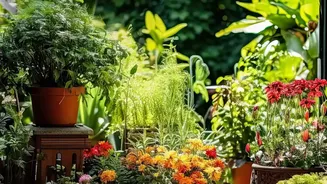
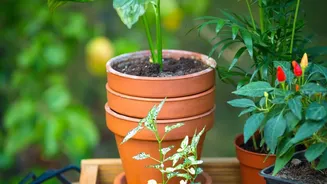
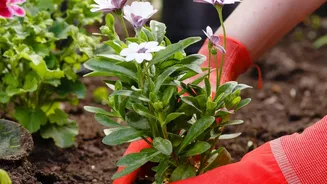
November is an excellent time for planting a variety of flowers and vegetables that thrive in India's cooler, drier season. For vibrant colour, consider seasonal favourites like marigolds, petunias, pansies, and chrysanthemums. These are relatively hardy and grow well in containers. If you want to grow your own food, this is the perfect window to plant leafy greens and root vegetables. Spinach, coriander (dhaniya), fenugreek (methi), mint (pudina), radishes, and carrots are all great choices for balcony pots. Many of these are quick to grow and can be harvested continuously, providing a fresh supply for your kitchen through the winter months. Hardy herbs like Tulsi (Holy Basil) are also a great addition, as they are resilient and known to be excellent natural air purifiers.
Strategic Placement for Sun and Shelter
With shorter daylight hours in autumn and winter, maximising sunlight is key. Observe how the sun moves across your balcony during the day. An east-facing balcony that gets gentle morning sun is perfect for herbs and leafy greens, while a south-facing one with more direct light is ideal for flowering plants. If your balcony is exposed to strong, cold winds, try to move more delicate plants closer to the wall for shelter. Arranging taller, hardier plants on the outside edge of your balcony can create a natural screen that helps filter dust and reduce wind impact on smaller plants inside. This not only protects them but also creates a denser green barrier against pollutants.