





1. Start Small, Dream Big
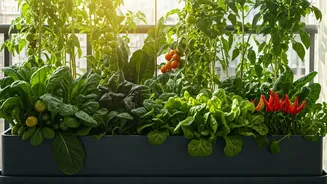
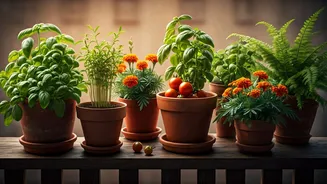
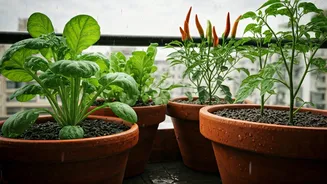
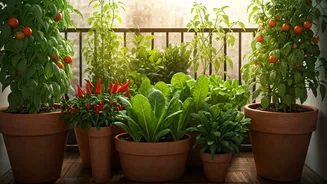
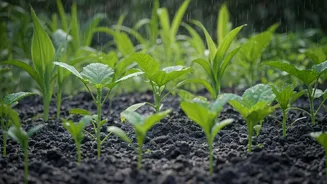
The single biggest mistake new gardeners make is trying to do too much, too soon. A sprawling vegetable patch on day one is a recipe for burnout. Instead, start with just three to five pots. This allows you to learn the basics of watering, sunlight, and
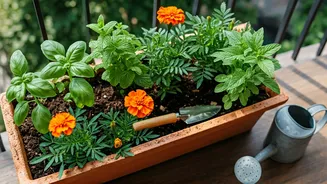
care on a manageable scale. You can choose a sunny windowsill, a small corner of your balcony, or a spot near a bright window. The goal is to build confidence. Success with a few plants will inspire you to expand later. Think of it as a pilot project; once you master a pot of mint or a cheerful marigold, you'll be ready for more.
2. Location, Location, Sunlight
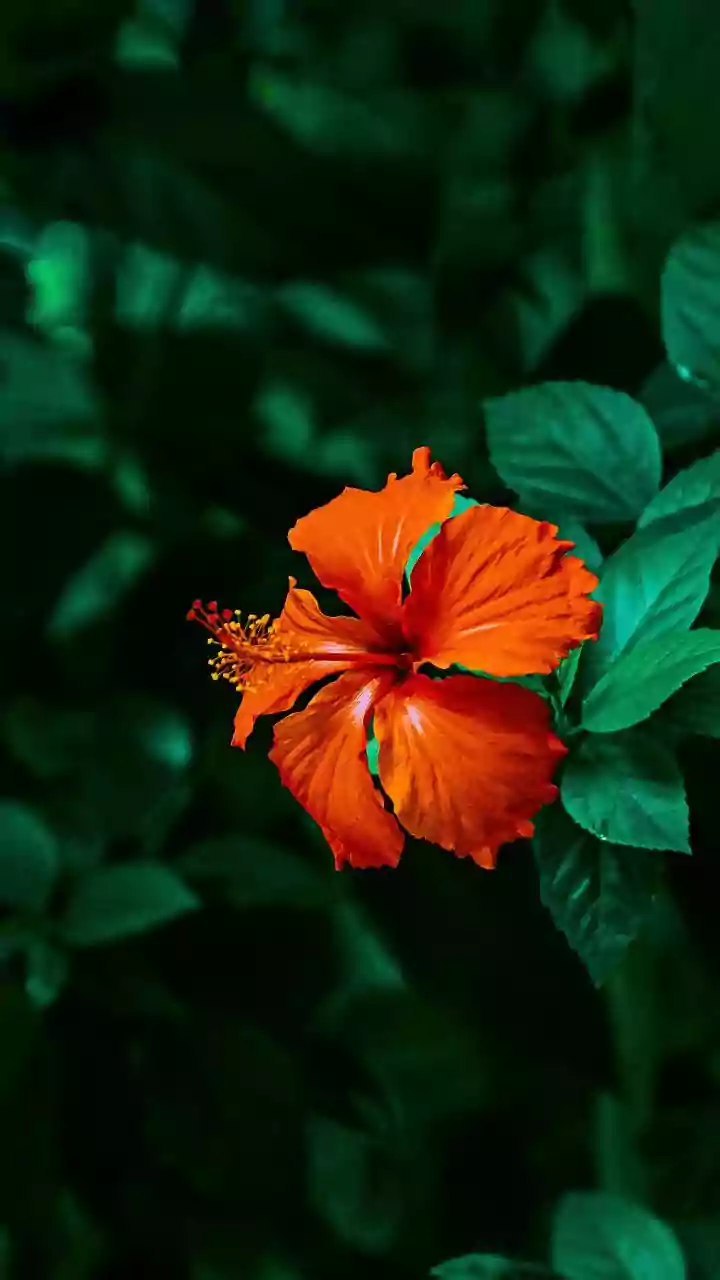
Before you buy a single seed, observe your space. Most vegetable and flowering plants need at least 5-6 hours of direct sunlight per day. In India, the morning and early afternoon sun is perfect. The harsh late afternoon sun can sometimes scorch delicate leaves. Spend a day tracking the sun in your chosen spot—be it a balcony, terrace, or window ledge. North-facing balconies might get less direct sun and are better suited for shade-tolerant plants like money plants or snake plants. South or west-facing spots are ideal for sun-lovers like tomatoes, chillies, and hibiscus. Understanding your light is half the battle won.
3. Choose Your Fighter: Easy Plants for India
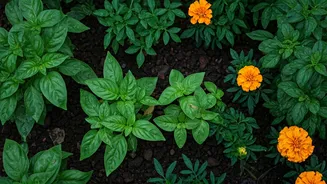
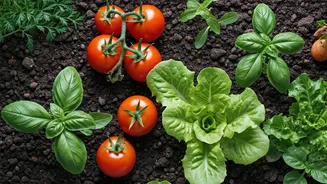
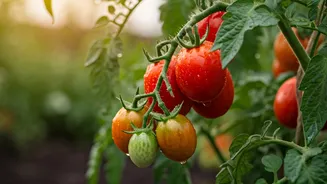
Not all plants are created equal, especially for beginners. Start with hardy, forgiving plants that thrive in Indian conditions. For herbs, you can't go wrong with Tulsi (Holy Basil), Pudina (Mint), and Dhania (Coriander). They grow quickly and are used in daily cooking. For vegetables, try cherry tomatoes, chillies, and brinjal—they are relatively low-maintenance. If you want flowers, start with Marigolds (Genda), which are pest-repellent and grow profusely, or the ever-reliable Vinca (Sadabahar). These plants can handle a bit of neglect as you learn, giving you a better chance of a rewarding first experience.
4. Get Your Hands Dirty: The Perfect Potting Mix
Good soil is the foundation of a healthy garden. Simply scooping up mud from the ground often won't work, as it can be too dense, lack nutrients, and contain pests. For beginners, buying a ready-made potting mix from a local nursery or online is the easiest option. If you want to mix your own, a classic recipe is one part garden soil, one part cocopeat (for moisture retention and aeration), and one part compost or vermicompost (for nutrients). This blend ensures your plant's roots have room to breathe, access to water, and plenty of food to grow strong.
5. The Art of Watering
Overwatering and underwatering are the top killers of houseplants. There's no fixed schedule like "water every day." The need for water depends on the plant, pot size, soil, and weather. The best way to know if your plant needs a drink is the 'finger test'. Stick your index finger about an inch into the soil. If it feels dry, it's time to water. If it feels moist, wait another day or two. Water thoroughly until you see it draining from the bottom of the pot. This encourages roots to grow deep. Always use a pot with a drainage hole to prevent water from logging at the bottom and causing root rot.
6. Feed Your Green Friends
The nutrients in your initial potting mix will last for about a month or two. After that, your plants will get hungry. You don't need complex chemical fertilisers. A handful of vermicompost or well-rotted cow dung manure added to the topsoil once a month is an excellent, organic way to feed most plants. You can also make your own 'compost tea' by soaking some compost in water overnight and using that water for your plants. This gentle feeding will keep them healthy and productive without the risk of fertiliser burn.