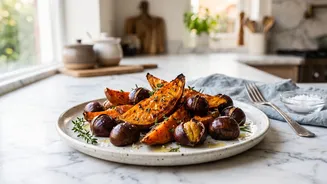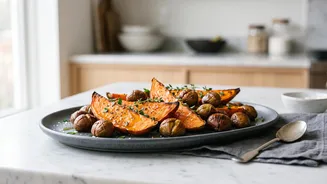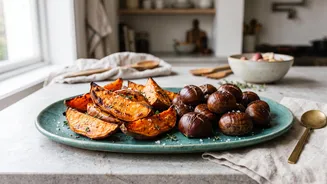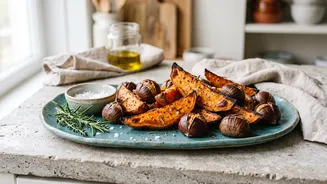




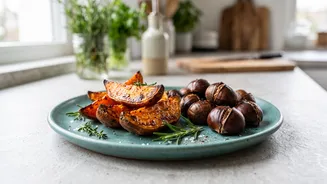
As the air turns crisp, two seasonal favourites appear on our plates: the vibrant sweet potato and the rustic chestnut. Both are lauded as healthy, comforting, and naturally low in fat. But what does 'low fat' truly mean for your diet?
Understanding the 'Low-Fat' Halo
The term 'low fat'
can be a powerful magnet for health-conscious shoppers. Generally, a food is considered low-fat if it has 3 grams of fat or less per serving. Both sweet potatoes and chestnuts easily clear this bar. When boiled or baked, a sweet potato is virtually fat-free. Chestnuts are also unique, as they contain significantly less fat than other nuts like almonds and walnuts, making their nutritional profile closer to that of a whole grain. However, focusing on fat alone misses the bigger picture. A food's overall nutritional value—including its vitamin, mineral, fiber, and carbohydrate content—is far more important for a balanced diet.
The Sweet Potato: A Vitamin Powerhouse
The sweet potato's claim to fame is its incredible vitamin A content. A single medium sweet potato can provide well over the daily recommended amount of vitamin A in the form of beta-carotene, an antioxidant crucial for eye health, immune function, and healthy skin. It's also a great source of vitamin C and potassium. Sweet potatoes are predominantly carbohydrates, which provide the body with energy. Because they are also rich in fiber, particularly when the skin is eaten, these carbs are digested more slowly, helping you feel full and maintaining more stable energy levels. A medium sweet potato contains around 100-130 calories and is praised by organisations like the Center for Science in the Public Interest (CSPI) as one of the most nutritious vegetables available.
The Chestnut: A Nut Unlike Any Other
Chestnuts break the mould when it comes to nuts. While most nuts are high in fat and protein, chestnuts are primarily composed of complex carbohydrates and water. This makes them lower in calories compared to their nutty relatives. What truly sets chestnuts apart is that they are the only nut to contain a significant amount of vitamin C, a powerful antioxidant that supports the immune system. A half-cup of raw chestnuts can provide a substantial portion of your daily vitamin C needs. They are also a good source of dietary fiber, B vitamins, and minerals like copper, manganese, and potassium, which aid in digestive health and help regulate blood pressure.
A Head-to-Head Nutritional Glance
When placed side-by_side, the differences become clearer. Sweet potatoes are the undisputed champion of vitamin A. Chestnuts, while having some vitamin A, cannot compete on that front. However, chestnuts offer more copper, manganese, and B vitamins per serving. In terms of calories, sweet potatoes are the lighter option, with a 100stgram serving containing about 86 calories, compared to roasted chestnuts, which can have over 200 calories for a similar portion. Chestnuts have more carbohydrates and fiber per gram, which provides sustained energy and promotes digestive regularity. Both are naturally cholesterolstfree and low in sodium.
Preparation Is Everything
How you cook these foods dramatically alters their health benefits. Boiling or steaming is the best method for preserving the lowstfat, nutrientstdense profile of both. Roasting chestnuts is a classic preparation, but be mindful that it can increase their caloric density slightly. Raw chestnuts are edible but contain tannins that may cause digestive upset for some people. For sweet potatoes, baking is a popular choice, but it can have a higher glycemic index than boiling, meaning it may raise blood sugar more quickly. Frying sweet potatoes or loading them up with butterstcream or sugar will quickly negate their lowstfat benefits, adding significant calories and unhealthy fats.