






What is SpaceX's Plan?
SpaceX has announced agreements to acquire nationwide wireless spectrum, specifically low-band airwaves in the 800 MHz range. This isn't for its satellite broadband dishes, but for a service called Starlink Mobile, also known as Direct to Cell. The goal
is to allow standard, unmodified smartphones to connect directly to Starlink satellites, much like they would roam onto a partner mobile network. By acquiring its own spectrum licenses, SpaceX is signaling a major ambition: to evolve from just a partner for telecom companies into a full-fledged mobile carrier that can provide service directly to consumers, potentially competing with giants like AT&T and Verizon in the US.
Why Low-Band Spectrum is a Game Changer
The key to this plan is the type of spectrum SpaceX is acquiring. Wireless signals operate at different frequencies. High-frequency signals, like some used by satellites, can carry lots of data but are easily blocked by physical objects. This is why satellite signals often struggle to reach you indoors. Low-band spectrum, like the 800 MHz band, has a distinct physical advantage: its waves travel farther and are far better at penetrating obstacles like concrete walls, rooftops, and even dense foliage. By adding this low-band spectrum to its network, SpaceX aims to solve one of the biggest historic weaknesses of satellite-to-phone connectivity—poor indoor reception. This would allow Starlink Mobile to offer a single, seamless network that works whether you're in a city basement or a remote national park.
How 'Cell Towers in Space' Will Work
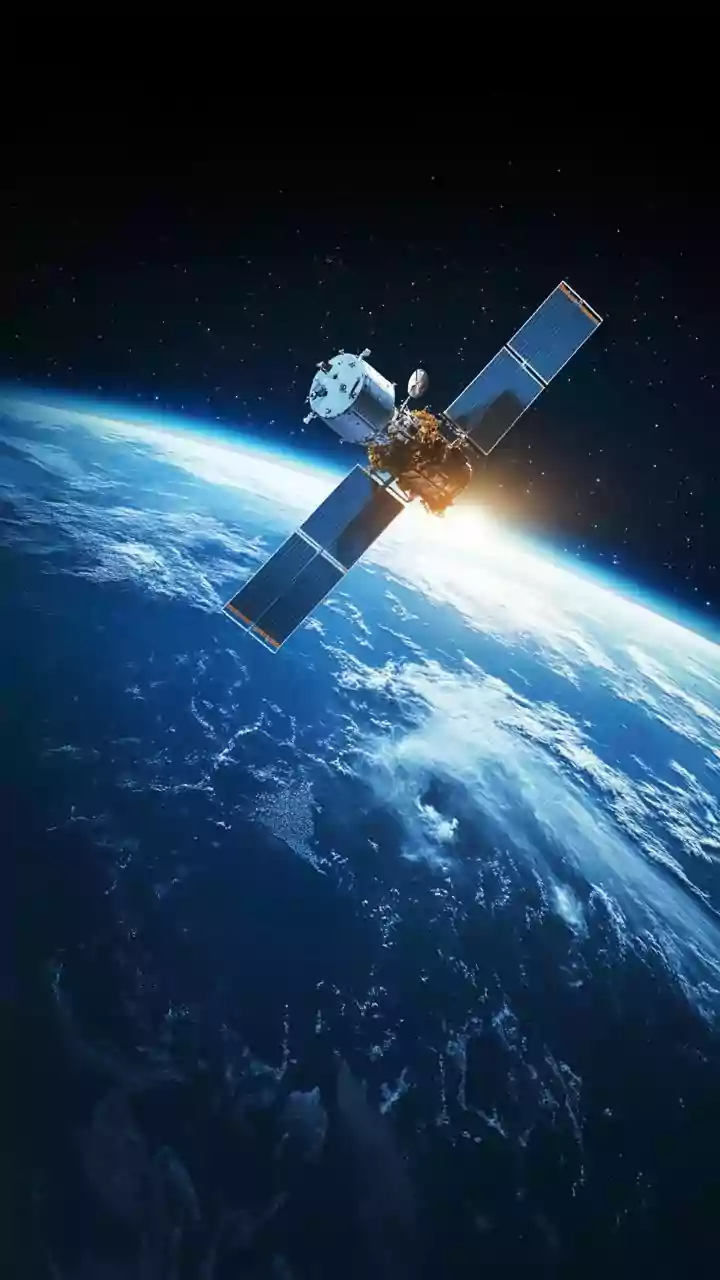
Starlink's Direct to Cell service uses advanced satellites that essentially act as mobile phone towers in space. These satellites are equipped with powerful antennas that can communicate with existing LTE-capable phones on the ground, meaning users won't need new hardware or apps. The plan is to create a hybrid network. In open areas, your phone might connect directly to a satellite. To ensure strong indoor coverage, SpaceX also plans to build an advanced terrestrial network of ground stations and towers that will use the newly acquired 800 MHz spectrum to broadcast signals locally. This combination of satellite and ground infrastructure aims to create a unified network that eliminates the gaps between satellite and traditional cellular coverage.
The Impact on Mobile Dead Zones
The ultimate promise of Starlink Mobile is universal connectivity. For users in urban and suburban areas, the primary benefit would be the elimination of frustrating indoor dead zones in places like elevators, parking garages, and large buildings where signals often fail. For those in rural and remote regions, the impact could be even more profound. Building traditional cell towers in sparsely populated areas is often not economically viable for mobile carriers, leaving vast stretches of the country with no service. Starlink's satellite-first approach bypasses the need for extensive ground infrastructure in these areas, offering a path to reliable connectivity for everything from emergency services to basic web browsing in places that have always been offline.
Hurdles and What's Next
Despite the bold vision, SpaceX's plan faces significant hurdles. The acquisition of the spectrum portfolio still requires final approval from regulatory bodies like the Federal Communications Commission (FCC) in the US. Furthermore, building out a complementary ground network is a massive and expensive undertaking that will take time. The company has already received FCC approval to launch 15,000 of its next-generation V2 satellites, which it claims will offer vastly more bandwidth. Initially, the service through partners like T-Mobile has focused on texting, with voice and data services planned to follow. The success of this venture will depend on clearing these regulatory hurdles and proving the technology can work reliably at a massive scale.
What This Could Mean for India
While the initial spectrum acquisition focuses on the US market, SpaceX's global ambition is clear. In India, Starlink has already secured a license to operate but is still navigating the final approval process, which involves security assessments and debates over spectrum allocation. Indian telecom companies like Reliance Jio have also signed conditional agreements with SpaceX, signaling interest in the technology. Given India's vast geography with numerous rural and remote areas that lack consistent mobile coverage, a service like Starlink's Direct to Cell could be transformative. It could help bridge the digital divide, providing essential connectivity for education, business, and safety in underserved regions, though affordability and regulatory challenges remain key factors.