




The Great Monsoon Migration
A distinct travel trend is emerging across India's urban centres. Tired of the relentless pace and noise of city life, a growing number of people from Hyderabad, Visakhapatnam, and Bengaluru are seeking refuge not just in any holiday spot, but in the specific
tranquility of Araku Valley during the monsoon. This isn't about ticking off sights from a list; it's a deliberate search for peace. The monsoon, traditionally considered an off-season for tourism, is being rebranded as the season of serenity. This shift reflects a larger change in travel preferences, where the experience of a place—its sounds, smells, and atmosphere—outweighs a packed itinerary. The 'booking boom' reported by local hoteliers and homestay owners isn't just about numbers; it's about a collective yearning for a slower, quieter, and more restorative form of travel. The valley, with its rain-washed landscapes and mist-covered hills, offers the perfect antidote to urban burnout.
Life on a Plantation Stay
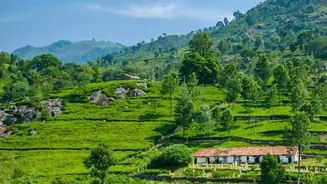
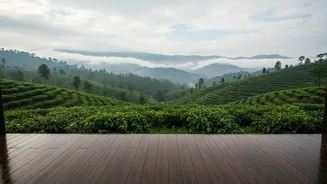
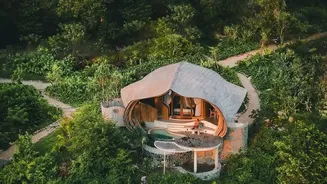
So, what exactly is a plantation stay? Imagine waking up not to an alarm, but to the sound of rain and birdsong. Your room overlooks rows of coffee plants, their leaves glistening with moisture. The air is thick with the scent of wet earth and blooming flowers, punctuated by the rich aroma of brewing coffee. These stays, often set within sprawling coffee and pepper plantations, range from rustic homestays run by local tribal families to more structured eco-resorts. The appeal lies in their immersive nature. Guests are disconnected from the digital world and reconnected with the natural one. Days are spent on leisurely walks through the plantation trails, learning about how Araku's famous organic coffee is grown, or simply reading a book on a veranda as the valley disappears and reappears in the shifting mist. It’s a stark contrast to a typical hotel, offering a slice of a life deeply rooted in nature.
Araku's Monsoon Makeover
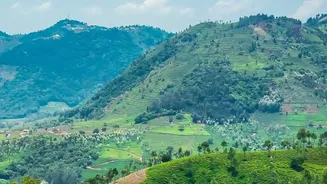
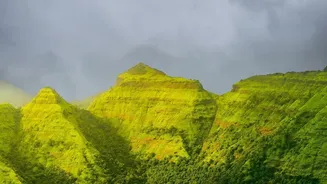
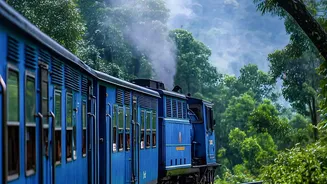
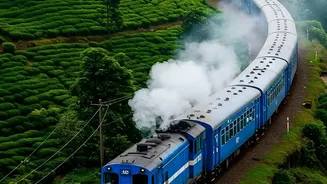
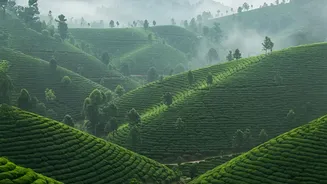
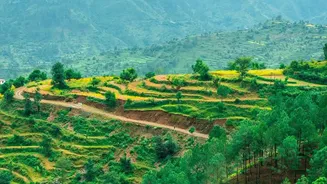
While Araku Valley is a year-round destination, the monsoon transforms it into a different world. The dry, dusty trails of summer give way to carpets of intense green. The entire landscape, recently awarded as one of India's 'Most Instagrammable', becomes even more photogenic under dramatic monsoon skies. This is when the valley's many waterfalls, like Katiki and Chaparai, are at their most powerful and spectacular, thundering down hillsides and creating a constant, soothing soundtrack to the region. Even well-known attractions like the million-year-old Borra Caves take on a more mystical quality, their entrances shrouded in clouds. The journey itself, particularly via the Vistadome train coach from Visakhapatnam, becomes an experience, with panoramic windows revealing a painting-like vista of floating clouds, terraced fields, and countless small cascades.
A Deeper Search for Silence
This trend is about more than just pretty scenery; it's about mental wellness. The headline's mention of 'silence' is key. It’s not just the absence of noise, but the presence of natural, calming sounds. For many city dwellers, life is a barrage of traffic, construction, notifications, and deadlines. The quiet of the valley offers a chance to reset the mind. A trek through the rain-soaked trails of Ananthagiri Hills isn't just exercise; it's a form of moving meditation. Staying in a place with limited mobile connectivity becomes a feature, not a flaw, encouraging a digital detox. This search for quiet is a proactive step against the chronic stress of modern urban living. Travellers are finding that the peace they experience in Araku’s misty mornings and quiet, rainy afternoons is a souvenir they can carry back with them long after the trip is over.