








The First Rule: Avoid If Possible
The single most important precaution is to avoid driving through flooded areas altogether. Authorities often advise residents to stay home during heavy downpours for a reason. Water can conceal deep potholes, open manholes, and debris that can trap your
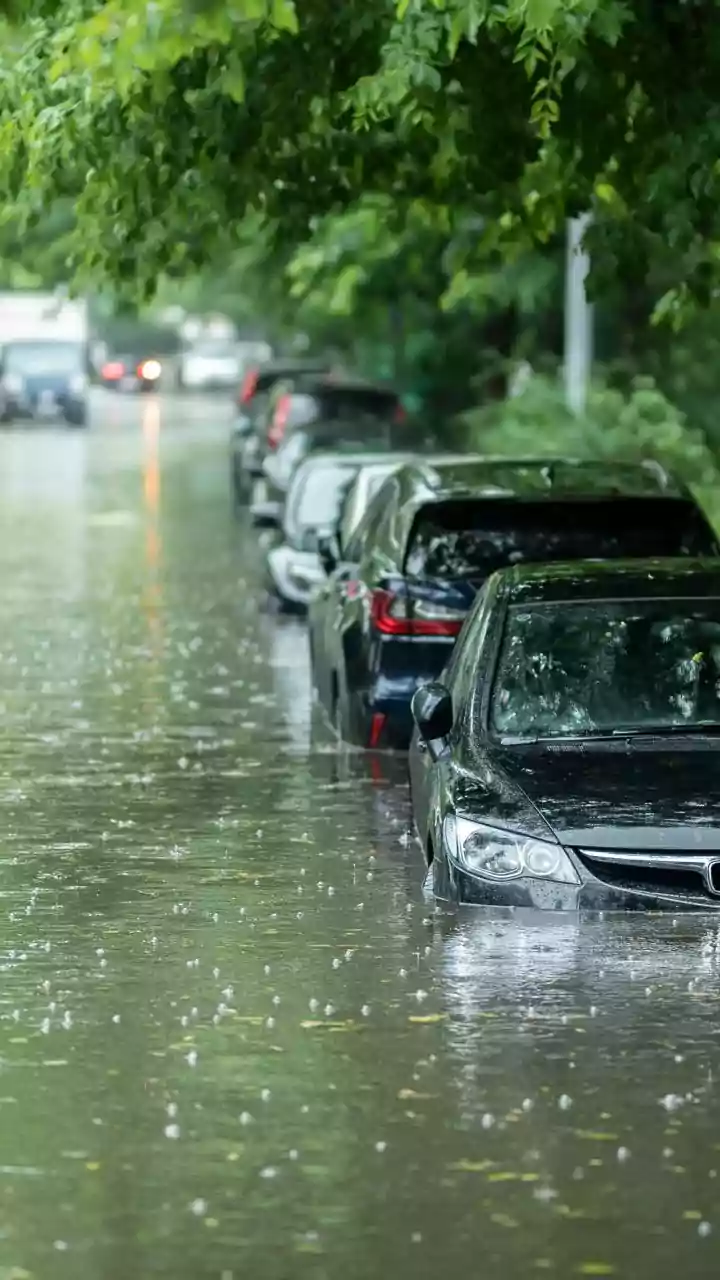
vehicle or cause severe damage. Furthermore, what appears to be stagnant water can quickly become a strong current. It takes only six inches of moving water to make a car lose traction and about two feet to sweep away even a large SUV. Before heading out, check traffic updates and official advisories from sources like the Greater Chennai Traffic Police to see if your route is clear. If the journey isn't absolutely essential, the safest choice is to wait.
Assess the Water's Depth
If you must drive, judging the water's depth is critical. A simple rule of thumb is to observe the kerb; if you can't see it, the water is likely too deep for a standard car. Most sedans and hatchbacks are not designed to handle more than half a foot of water. Look at other vehicles and pedestrians to gauge the depth before proceeding. Avoid underpasses and low-lying areas, as they flood first and depths can be deceptive. Remember, the air intake for your car's engine is relatively low. If water enters it, it can cause 'hydrostatic lock'—a catastrophic and expensive engine failure.
The Right Way to Drive Through Water
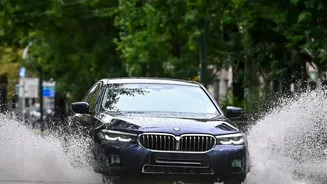
If you've determined the water is shallow enough to cross, your technique matters. Drive in a low gear—first or second—and keep the engine revs high. This helps prevent water from entering the exhaust pipe. Maintain a slow, steady speed without stopping or making sudden movements. Driving too fast creates a bow wave that can wash back into your engine bay, while stopping can allow water to flood the exhaust. Drive one vehicle at a time and avoid overtaking others. This ensures you don't get trapped if the car ahead stalls. Stay towards the centre of the road, where the surface is generally higher.
What to Do If Your Car Stalls
If your vehicle stalls in water, do not attempt to restart it. Trying to crank the engine when water may have entered the cylinders can bend engine rods and cause irreversible damage. The safest course of action is to turn on your hazard lights, abandon the vehicle when it's safe to do so, and move to higher ground. A car can be repaired or replaced, but staying inside a stalled vehicle in rising waters is a serious risk. It can take as little as 30 cm of water for a vehicle to start floating, causing a complete loss of control.
Exiting a Trapped Vehicle
In the rare and dangerous event that you are trapped in your car by rising water, the water pressure against the doors can make them impossible to open. Stay calm. Try pushing the door open with both feet. If that fails, you will need to break a side window. Do not attempt to break the windscreen, as it is made of laminated safety glass and is much stronger. Use a heavy object like a detachable headrest, a tyre iron, or a dedicated car escape tool to shatter a side window and exit the vehicle.
After You've Crossed Water
Once you are through the waterlogged patch, your brakes will be less effective. Gently pump the brakes a few times while driving slowly to help dry them out and restore normal function. This is especially important for cars with drum brakes, which are common on the rear wheels of many vehicles in India. Listen for any unusual noises from the engine or other parts of the car. If you suspect any issues, it's best to get it checked by a professional. Even a short drive through deep water can introduce moisture into critical components.