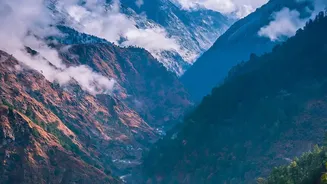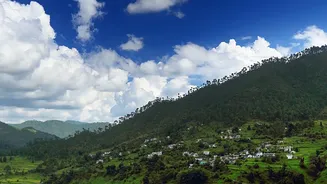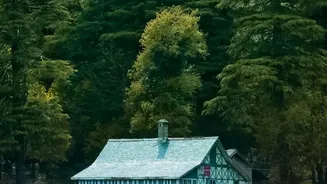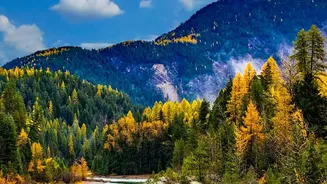




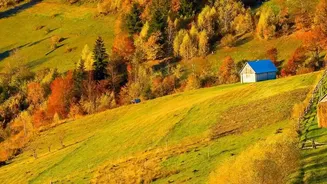
The Magic of Autumn in the Hills
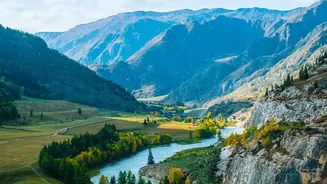
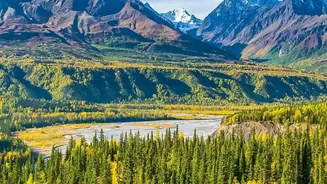
While summer attracts the crowds, autumn (from late September to November) is the secret season for discerning travellers in this part of the world. The monsoon has washed the landscape clean, leaving behind vibrant, dust-free greenery and crystal-clear
skies. Temperatures are pleasant, hovering between a cool 5°C and a comfortable 15°C. This is the ideal time for long walks and soaking in panoramic mountain views without the interruption of rain or the bite of deep winter, making it one of the best times to visit. The air is crisp, the light is golden, and the tourist numbers have dwindled, offering a peaceful atmosphere that is hard to find elsewhere.
Shoja: A Quiet Hamlet Above the Clouds
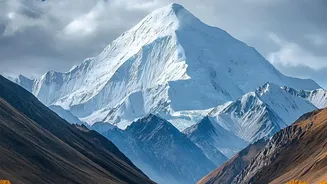
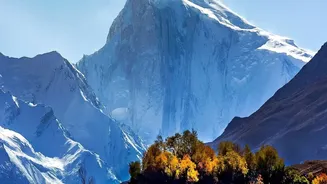
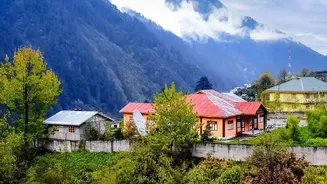
Perched at an altitude of over 8,000 feet, Shoja is a small, serene village that feels like a step back in time. Quieter and higher than its popular neighbour Jibhi, Shoja is for those who seek true silence and proximity to the mountains. The village itself is a small collection of traditional wooden and stone houses, surrounded by dense deodar and pine forests. It serves as the perfect base for reaching Jalori Pass, just a short drive away, which offers breathtaking 360-degree views of the Himalayas. The main attraction here isn't a long list of sights but the profound sense of peace that comes from being enveloped by nature.
Tirthan Valley: The River's Gentle Song
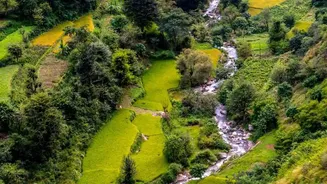
Flowing down from the glaciers of the Great Himalayan National Park (GHNP), a UNESCO World Heritage Site, the Tirthan River gives the valley its name and its soul. Unlike commercialised hill stations, Tirthan's charm lies in its pristine river, lush forests, and the absence of large hotels. Life here moves at a slower pace. Days can be spent trout fishing (with a permit), walking along the riverbank, or simply finding a smooth boulder to sit on and listen to the water. The valley is a haven for nature lovers and serves as the gateway to numerous treks within the GHNP.
The Authentic Homestay Experience
The best way to experience Shoja and Tirthan is by staying in a local homestay. These are not just rooms for rent; they are an invitation into the Himachali way of life. Expect to be welcomed into a family home, often built in the traditional Kath-Kuni style, which uses interlocking wood and stone without mortar. Your hosts are often the best guides, offering tips on hidden trails and local folklore. The highlight of any homestay is the food—simple, delicious, and made with locally sourced ingredients. From steaming bowls of dal and freshly made rotis to local specialities, it’s a taste of home in the mountains. This authentic experience is what sets the region apart from more commercial destinations.
Activities for a Peaceful Soul
This region is not for those seeking a packed itinerary of tourist spots. Instead, it offers simple, soul-soothing activities. A popular trek from Jalori Pass is the walk to Serolsar Lake, a serene high-altitude lake surrounded by thick oak forest. Another trail leads to the ruins of Raghupur Fort, which opens up to stunning valley views. Birdwatching is a rewarding activity, especially in the forests near the Great Himalayan National Park. But perhaps the best activity is to do nothing at all—find a comfortable spot on a homestay balcony, sip on hot tea, and watch the clouds drift across the majestic peaks.
Planning Your Quiet Escape
To reach Shoja and Tirthan Valley, the common route is by road from Delhi or Chandigarh. The journey involves driving towards Manali and taking a turn at Aut, just before the tunnel, to enter the Banjar Valley. The nearest airport is at Bhuntar (Kullu), about 50 km away. While buses are available, hiring a taxi or driving your own car offers more flexibility. For an autumn trip, pack layers of warm clothing, as the evenings and nights can be quite cold. It's also wise to book your homestay in advance, especially if you're travelling during the peak autumn weeks of October.