







The Dual Nature of Pulses
It’s true that pulses are high in carbohydrates; in fact, carbs make up about 60-65% of their dry weight. But that’s not the whole story. The same pulses also contain a remarkable amount of protein, typically ranging from 21-26%. This makes them one of nature's
most efficient foods, offering both the energy from complex carbohydrates and the muscle-building power of protein. Unlike the simple carbs found in processed foods, the carbohydrates in pulses are complex and paired with lots of fibre, which means they are digested slowly, providing sustained energy and helping you feel fuller for longer.
How Much Protein Are We Talking About?
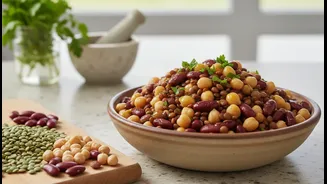
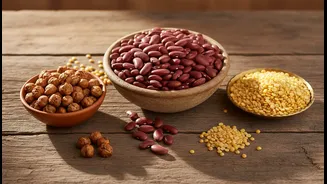
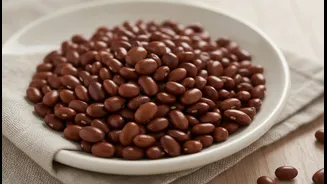
Let's put this into perspective. A single cup of cooked lentils provides a massive 18 grams of protein. A cup of cooked chickpeas offers around 15 grams, while kidney beans come in with about 15 grams as well. For context, this is a significant portion of the average adult's daily protein needs. One portion of pulses, which is about three heaped tablespoons, can provide up to 9 grams of protein. This makes them a powerhouse ingredient, especially for those on plant-based diets or anyone looking to reduce their meat consumption without sacrificing this crucial macronutrient.
The 'Complete Protein' Myth
You might have heard that plant proteins are 'incomplete'. This refers to their amino acid profile. Proteins are made of amino acids, nine of which are 'essential' because our bodies can't make them. A 'complete' protein contains all nine in adequate amounts. While most pulses are a bit low in one or two of these, particularly methionine, this doesn't diminish their value. The idea that you must eat 'complementary proteins' in the same meal has been largely debunked. As long as you eat a varied diet throughout the day, your body can collect all the essential amino acids it needs.
Power Pairing for Optimal Nutrition
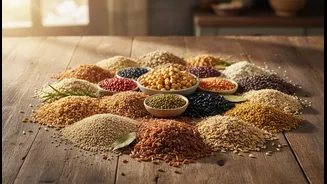
While not strictly necessary at every meal, combining pulses with grains is a traditional and nutritionally brilliant strategy. Grains like rice, wheat, or millets happen to be rich in the exact amino acids that pulses lack, and vice-versa. This is why so many global cuisines instinctively feature pairings like dal with rice or roti, hummus with pita bread, and beans with corn tortillas. These combinations create a high-quality protein profile that is nutritionally complete. So, while your body is smart enough to pool amino acids over a day, these classic pairings are a simple and delicious way to ensure you're getting everything you need.
More Than Just Protein
Focusing only on protein and carbs does pulses a disservice. They are nutritional champions across the board. They are packed with dietary fibre—both soluble and insoluble—which is crucial for digestive health and can help manage weight and blood sugar levels. They are also loaded with essential micronutrients that many people don't get enough of, including iron, folate, potassium, and magnesium. Their low-fat content and cholesterol-free nature make them a heart-healthy choice that can help reduce the risk of chronic diseases like type 2 diabetes and heart disease.