



Connecting the Unconnected
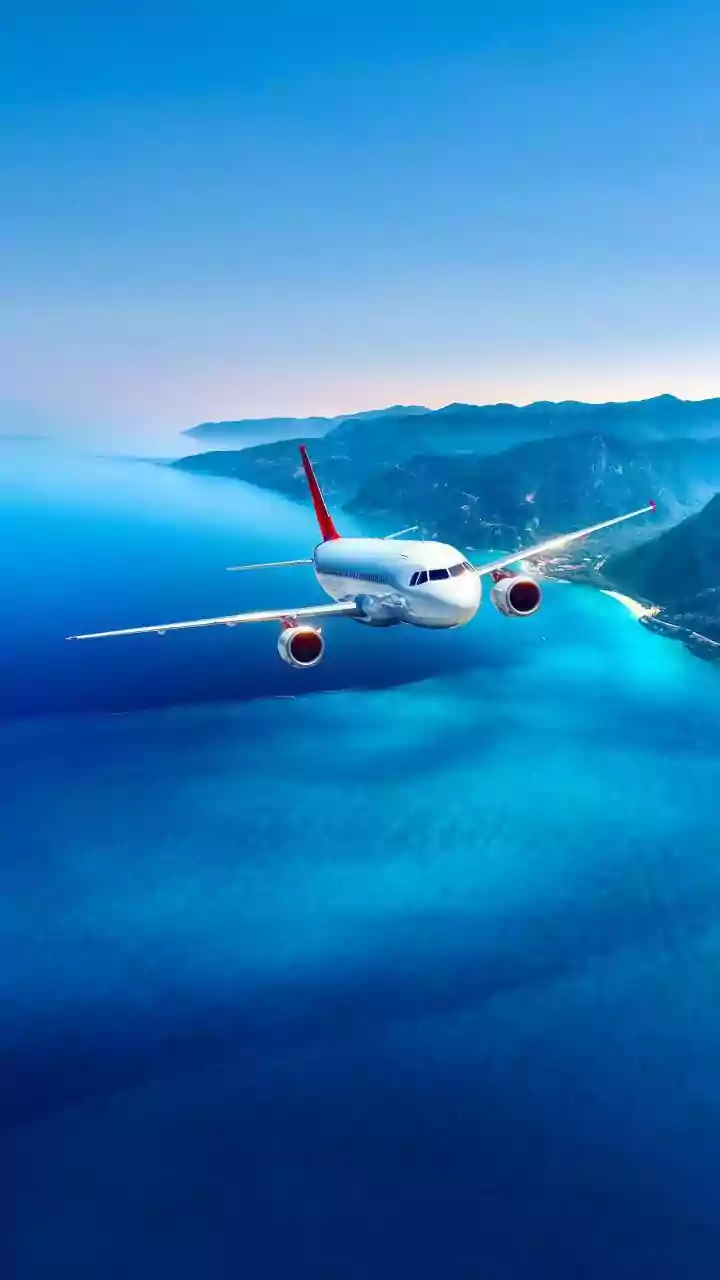
For years, the dream of reaching India’s hidden gems was often met with the reality of long, arduous journeys by road or rail. However, the government's Ude Desh ka Aam Naagrik (UDAN) scheme is fundamentally changing the domestic travel landscape. By
subsidising flights to underserved and unserved airports, the programme has already operationalised hundreds of new routes, making air travel more affordable and accessible beyond the major metropolitan hubs. This push for regional connectivity is not just about connecting cities; it’s about unlocking the vast tourism potential of the country's diverse geography, from remote hill stations to pristine coastal areas.
The Dawn of Seaplane Travel
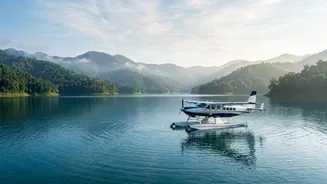
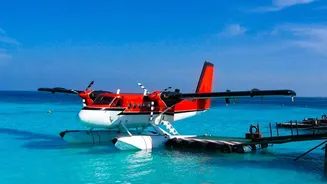
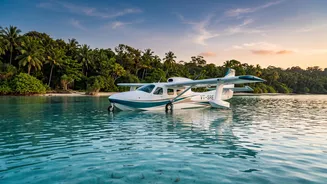
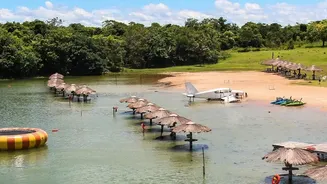
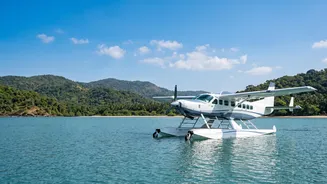
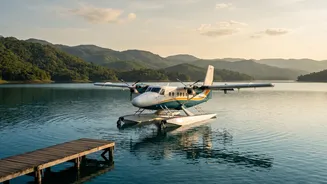
The most exciting development in this new era of connectivity is the arrival of commercial seaplane services. These amphibious aircraft, capable of taking off and landing on water, eliminate the need for costly and space-intensive runway infrastructure. This makes them perfectly suited for a country like India, with its vast network of rivers, reservoirs, and lakes. Companies like SkyHop Aviation are pioneering these services, having received regulatory approval to begin commercial operations. After successful test flights in locations like Uttarakhand, the stage is set for a new kind of tourism. Imagine flying directly to a water aerodrome on a tranquil lake, stepping off the plane, and being immediately immersed in nature.
Spotlight: Kerala's Backwater Havens
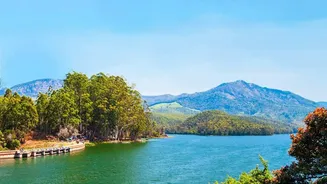
Kerala's world-famous backwaters are poised to become more accessible than ever. The government has approved dozens of new seaplane routes designed to connect the state's major airports with key tourist destinations like the serene Vembanad and Ashtamudi lakes. Potential waterdrome locations include tourist hotspots such as Kumarakom, Kovalam, and Punnamada. This means travelers will soon be able to bypass road traffic and fly directly to the doorstep of idyllic resorts and houseboats. This initiative aims to distribute tourism more evenly, encouraging visitors to explore areas that were previously harder to reach and offering a more seamless travel experience across the state.
Spotlight: Lakshadweep's Turquoise Lagoons
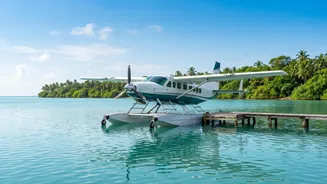
The remote and stunningly beautiful atolls of Lakshadweep are a prime focus for the new wave of seaplane services. Initial operations are planned to connect the mainland, likely from Kochi, with islands like Agatti and Kavaratti. This will dramatically cut down travel time to these pristine coral islands, known for their turquoise lagoons and rich marine life. For travelers, this means easier access to destinations that offer world-class diving, snorkeling, and an escape from the crowds. The introduction of seaplanes is a game-changer for the region, promising to boost tourism while offering a unique and scenic mode of transport over the Arabian Sea.
The Future: Tehri and Beyond
The possibilities for water-based aviation are expanding across the country. Successful seaplane trials have already been conducted at Tehri Lake in Uttarakhand, hinting at the future potential for connecting the Himalayan state's reservoirs with tourist hubs. Similarly, routes have been identified for other major water bodies, including Nagarjuna Sagar in Telangana and the Sardar Sarovar Dam (Statue of Unity) in Gujarat. While some of these services are still in development, the intent is clear: to leverage India's natural waterways to create a new network of travel corridors. This will not only benefit tourists but also stimulate local economies and provide a more sustainable model for regional development.