



What Exactly Is a Hydrogen Train?
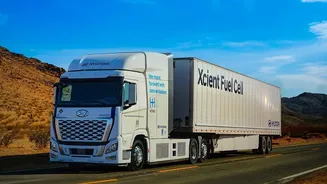
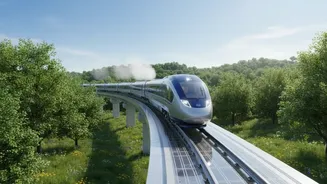
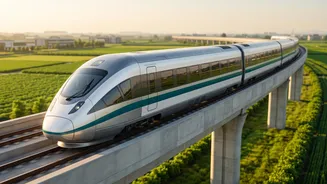
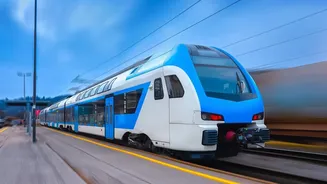
Think of a hydrogen train as a self-contained, mobile power plant that runs on electricity without needing overhead wires. Instead of burning fuel like a diesel engine, it uses hydrogen and oxygen to generate its own power through a clean chemical process.
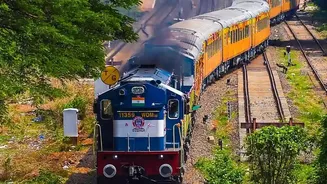
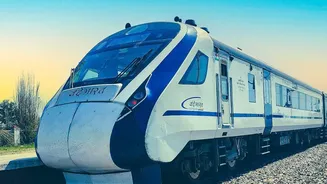
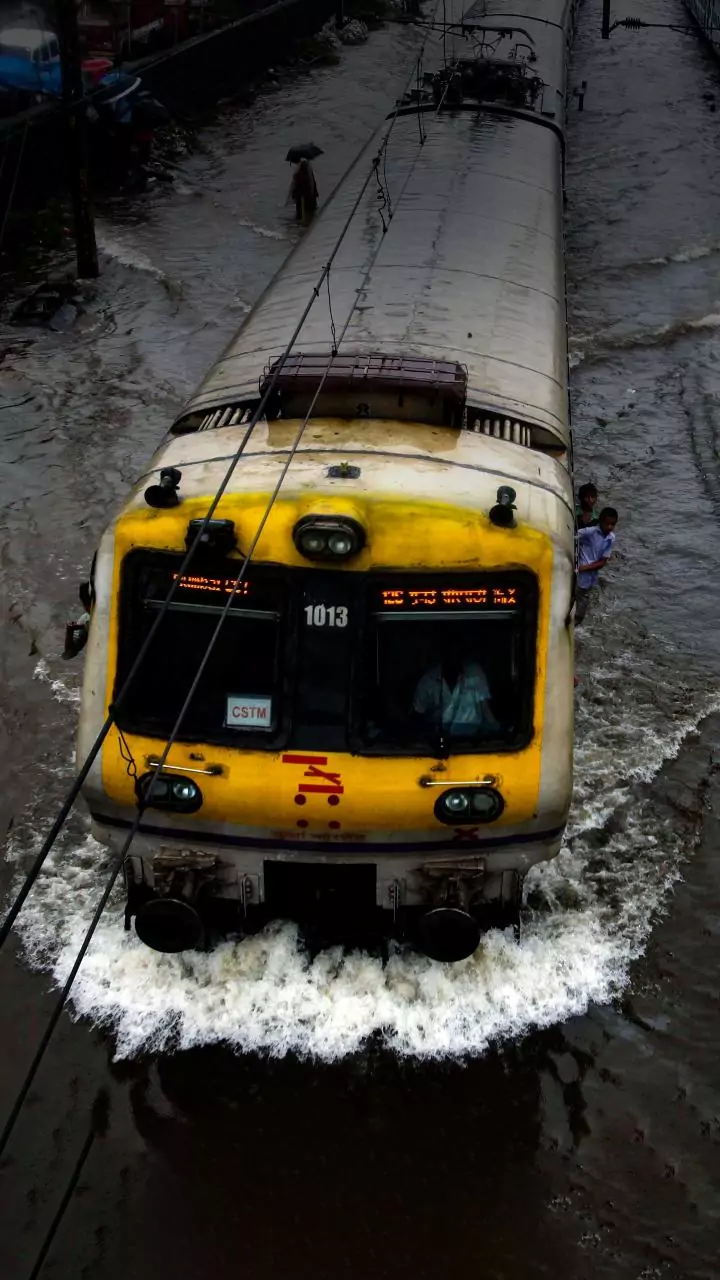
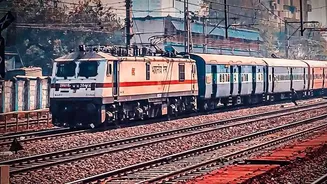
India's first hydrogen-powered train, launched on the Jind-Sonipat route in Haryana, represents a significant step into this new era of rail transport. The 10-coach train, retrofitted from an existing diesel unit, can carry approximately 2,600 passengers and operates with only water vapour and heat as by-products.
The Science Inside: How Fuel Cells Work
The core of the train's power system is the Proton Exchange Membrane (PEM) fuel cell. Inside this device, hydrogen gas stored in high-pressure cylinders is combined with oxygen drawn from the air. This electrochemical reaction splits hydrogen atoms into protons and electrons. The electrons are channeled through an external circuit, creating a flow of electricity that powers the train's motors. The protons then combine with the oxygen and electrons, forming water. The entire process is silent, efficient, and free of combustion, smoke, and carbon emissions.
India's 'Hydrogen for Heritage' Project
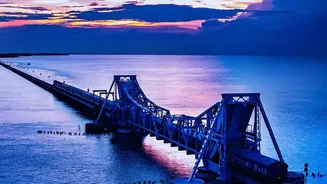
The Jind-Sonipat line is the first real-world test for a much larger vision known as the "Hydrogen for Heritage" initiative. The plan involves deploying 35 hydrogen trains on ecologically sensitive and scenic routes, such as the Darjeeling Himalayan Railway and the Kalka-Shimla line. These are often routes where installing overhead electric lines is difficult or would spoil the natural beauty. The initiative, part of India's broader push towards its Net Zero 2070 goal, showcases domestically developed technology and supports the National Green Hydrogen Mission.
The Promise: Cleaner Air and Energy Security
The most celebrated benefit of hydrogen trains is their environmental credentials. By emitting only water vapour, they eliminate tailpipe emissions of carbon dioxide, nitrogen oxides, and particulate matter, leading to cleaner air in populated corridors. Beyond the green aspect, these trains contribute to India's energy security. By providing a clean alternative to diesel on non-electrified routes, they help reduce the country's reliance on imported fossil fuels. This aligns with the national goal of achieving energy independence.
Hurdles on the Track: Cost and Infrastructure
Despite its promise, the path to a hydrogen-powered rail network is not without challenges. The primary obstacle is cost. Green hydrogen, produced using renewable energy, is currently more expensive than diesel or electricity from the grid. The initial investment is also substantial, with each train retrofit costing an estimated ₹80 crore and the supporting infrastructure on each route adding another ₹70 crore. Furthermore, building a nationwide network of hydrogen production plants, storage facilities, and refuelling stations requires massive capital investment and coordination.
The Road Ahead for Indian Railways
The pilot project on the Jind-Sonipat route is a crucial technology demonstrator. Indian Railways is closely monitoring its performance, safety, and operational efficiency to determine the feasibility of a wider rollout. Having successfully completed trials at higher speeds, efforts are underway to increase the train's operational speed from 75 kmph to 110 kmph. While passenger numbers on the initial route have been low, officials are exploring extending the service to Delhi to improve utilisation. The success of this pilot and the ability to bring down the cost of green hydrogen will ultimately decide the future of this clean technology across India's vast railway network.