






The Heart of the Machine
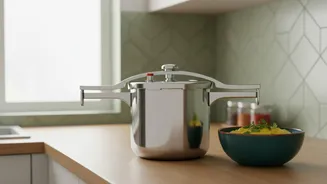
A pressure cooker works by trapping steam to build pressure, which dramatically raises the boiling point of water inside. This allows food to cook much faster. The entire system relies on one critical feature: controlled pressure release. This is the job
of the safety valve system. The primary valve, or whistle, regulates pressure during normal cooking. If it gets clogged, a secondary safety valve is designed to release excess pressure to prevent a dangerous, explosive failure. Without a functioning valve, a pressure cooker can become a significant hazard. Blocked vents are a common cause of accidents.
Anatomy of a Safe Cooker
Your pressure cooker lid has several key components working together. The main one is the vent weight, or whistle, which releases steam periodically. Then there is the safety valve, often a small metallic or fusible plug, which acts as a final failsafe. Finally, the rubber or silicone gasket creates the airtight seal necessary to build pressure. A fault in any of these parts can compromise the cooker's safety. While modern cookers have multiple safety features, they all rely on being kept clean and in good condition to function properly.
Your Pre-Cooking Safety Ritual
Before every single use, perform a quick visual inspection. First, check the rubber or silicone gasket. It should be clean, pliable, and free of cracks or dryness. A hardened or warped gasket will not create a proper seal. Next, look at the vent pipe and safety valve. Hold the lid up to a light source to ensure the vent hole is completely clear of any food debris. Frothy or starchy foods like dal, rice, or pasta can sometimes cause blockages. Finally, ensure the valve itself moves freely and is not stuck. This simple, two-minute check is your first line of defense.
The Essential Deep Clean
Regular deep cleaning is non-negotiable. After each use, remove the gasket and the whistle. Wash them, along with the lid, in warm, soapy water. Use a small brush or a cleaning tool to gently clear any debris from the vent pipe and the valve housing. Never use sharp or abrasive objects that could damage the components. Allow all parts to dry completely before reassembling. For the gasket, storing it separately or placing the lid upside down on the pot can help prevent it from getting stretched or misshapen.
Warning Signs to Never Ignore
Your pressure cooker will give you clear signals if something is wrong. Pay attention to them. If steam is leaking from the sides of the lid instead of the valve, your gasket is likely worn or improperly seated. If the cooker is taking much longer than usual to reach pressure, or isn't whistling at all, the vent is probably blocked. Constant sputtering or steam escaping from the safety valve during normal operation is another major red flag. If you notice any of these signs, stop using the cooker immediately and inspect it thoroughly.
Know When to Replace Parts
Pressure cooker components are not designed to last forever. Most manufacturers recommend replacing the gasket every 12 to 18 months, depending on use, even if it looks fine. Materials can degrade over time, losing elasticity and their ability to seal properly. If a safety valve shows any sign of corrosion, damage, or has been activated (in the case of a fusible plug), it must be replaced immediately. Using genuine replacement parts from the manufacturer is essential for ensuring a proper and safe fit.