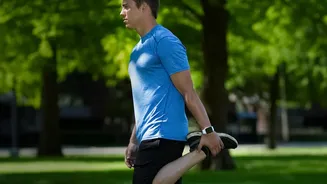

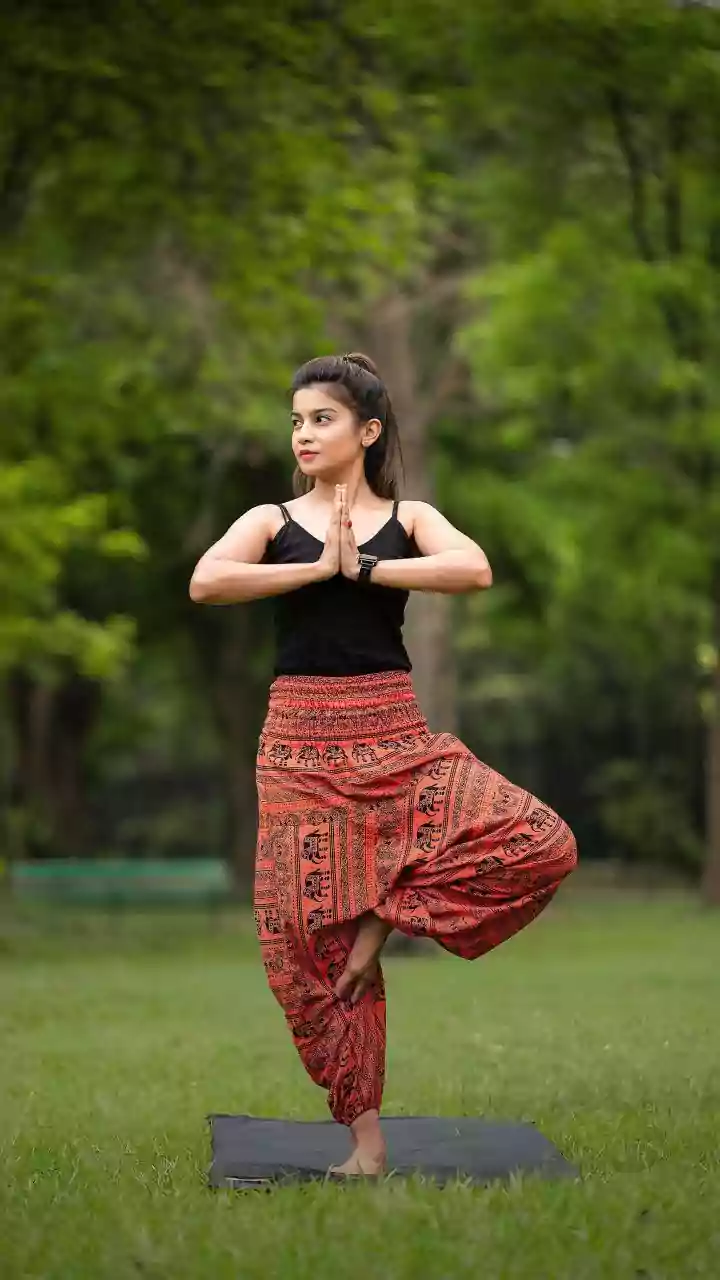


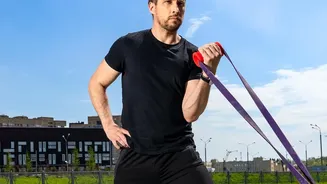

Across India’s bustling metros, a fresh energy is activating local parks. Once the domain of gentle morning walkers, these green spaces are now vibrant hubs for young people gathering for everything from running clubs to group yoga and HIIT sessions.
A Response to Modern Urban Life
The primary driver behind this trend is a growing health consciousness among urban youth. Faced with the pressures of sedentary desk jobs, long work hours, and rising stress levels, many young professionals are actively seeking ways to reclaim their physical and mental well-being. Conditions like hypertension and diabetes, once associated with older age, are now increasingly seen in people under 40, prompting a proactive turn towards fitness. Parks offer a much-needed escape from indoor, screen-heavy environments, providing a free and accessible 'natural antidote' to the strains of city living. The simple act of exercising in a green space has been shown to reduce stress and improve overall mood, making it a compelling alternative to enclosed gyms.
The Power of Community and Connection
For many, fitness is no longer a solitary pursuit but a social experience. This shift is powerfully demonstrated by the explosion of community-based fitness groups. What often starts with a single social media post inviting strangers for a run can quickly snowball into a large collective with thousands of members. These groups, frequently organised via WhatsApp and Instagram, are transforming parks into 'third places'—vital social hubs outside of home and work. Running clubs in cities like Bangalore, Delhi, and Chennai are fostering accountability and motivation, turning exercise into an anticipated social event that often ends with breakfast or coffee. This sense of community combats the urban loneliness many young professionals experience and makes it easier to stick to a routine.
The Economics of Open-Air Fitness
Cost is a significant factor. With expensive gym memberships being a barrier for many, the free access to public parks is a major draw. Municipal bodies across various cities have recognised this need and fueled the trend by installing open-air gyms. These outdoor fitness zones, equipped with durable, easy-to-use equipment like aerial strollers, twisters, and parallel bars, make functional fitness accessible to everyone, regardless of income. The concept, first popularised in cities like Delhi, has been successfully replicated in places like Visakhapatnam and is expanding. This removes the financial pressure and allows people to focus purely on their health and fitness goals.
A New, Diverse Fitness Culture
The activities themselves are becoming more varied. The traditional morning walk is now supplemented by a wide array of options catering to different interests and fitness levels. Parks in Mumbai, Bengaluru, and Pune are now home to everything from high-intensity interval training (HIIT) and calisthenics to community yoga sessions and laughter clubs. This diversification makes fitness more enjoyable and culturally relevant, attracting people who might be intimidated by conventional gym routines. For instance, Bollywood dance fitness challenges combine exercise with fun, while other groups focus on specific goals like training for fitness races. This variety ensures there is something for everyone, making the park a truly inclusive fitness destination.