

When to Go and What to Pack
The ideal window for this road trip is from September to early November. The rains have subsided, but the landscape retains its monsoon vibrancy. Waterfalls are still in full flow, and the air is crisp and cool. For this trip, pack light woollens for the evenings,
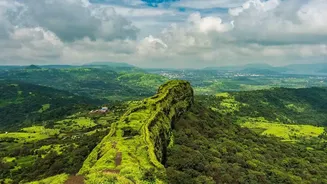
as temperatures in the hill stations can drop. A waterproof jacket is essential for unexpected showers and the mist that blankets the viewpoints. Comfortable walking shoes with good grip are a must, especially for visiting forts and waterfall trails, which can be slippery. Also, carry an offline map, as mobile connectivity can be patchy in the ghat sections.
Crafting Your Route from Mumbai or Pune
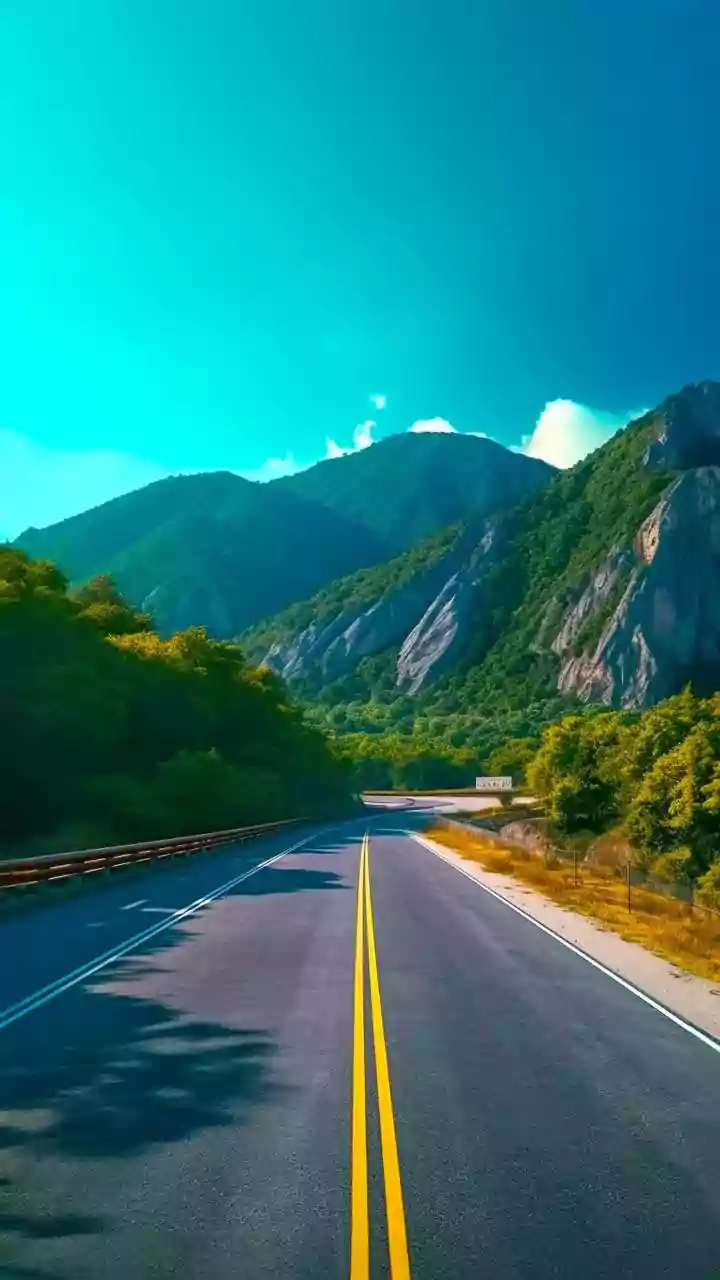
The most reliable route from both Mumbai and Pune is via the NH48 (Mumbai-Pune Expressway followed by the Pune-Bengaluru highway). If starting from Mumbai, expect a 5-6 hour drive covering around 260 km. From Pune, the journey is about 3-4 hours. The standard path involves driving towards Satara on the NH48 and taking the exit for Wai to begin the scenic ascent to Mahabaleshwar. The roads are generally well-maintained, but it's always wise to start early in the morning to avoid traffic and enjoy the ghat sections in daylight. Check local road conditions before you leave, as post-monsoon repairs can sometimes cause delays.
First Stop: Satara’s Natural Splendour
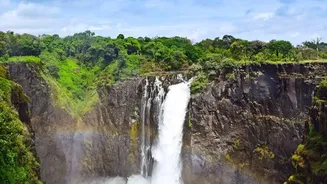
Satara is your gateway to some of the region's most spectacular post-monsoon sights. The main attraction is the Kaas Plateau, a UNESCO World Natural Heritage site famous for its seasonal carpet of wildflowers. The peak blooming season is typically from late August to early October, so timing is crucial; check the official website for bloom status and to book your entry slot online, as visitor numbers are limited. Beyond Kaas, don't miss Thoseghar Falls, a series of stunning waterfalls that are at their most powerful during and just after the monsoon. Nearby, Vajrai Falls, one of India's tallest, is another magnificent sight originating from the Urmodi River. These natural wonders are surrounded by lush greenery, making the entire area a photographer's delight.
Next Destination: Misty Mahabaleshwar
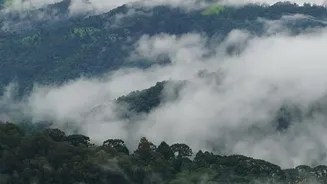
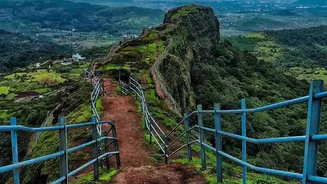
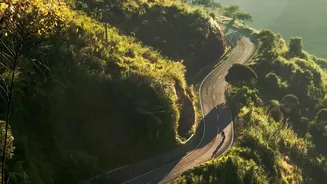
From Satara, a short drive of about an hour takes you to the popular hill station of Mahabaleshwar. Post-monsoon, the town is wrapped in a magical mist, and its famous viewpoints offer dramatic, ever-changing scenes as clouds roll through the valleys. Key spots like Arthur's Seat, Kate's Point, and Wilson Point provide breathtaking panoramas of the verdant landscape. While boating at Venna Lake is a classic activity, it’s particularly serene after the rains, with lush trees reflecting on the calm water. During this season, the experience is less about ticking off a checklist and more about soaking in the atmosphere. The drive itself, with waterfalls appearing at bends in the road, is a major part of the charm.
Savouring the Local Flavours
A road trip here is incomplete without indulging in the local cuisine. While Mahabaleshwar is famous for its strawberries, the main season starts in winter. However, you can still enjoy delicious strawberry-based desserts and milkshakes at places like Mapro Garden. The real post-monsoon treat is roasted corn on the cob (bhutta), sold at nearly every viewpoint and tasting exceptionally good in the cool, misty weather. Don't miss out on authentic Maharashtrian meals in Satara or Wai. Look for restaurants serving pithla-bhakri, bharli vangi (stuffed eggplant), and hot vada pav, which make for a perfect, hearty meal on a cool day.
Essential Road-Tripping Tips
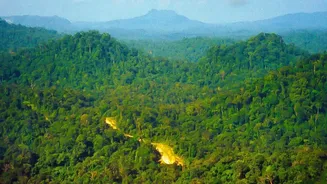
To ensure a smooth journey, keep a few things in mind. Fuel up before you start climbing the ghat sections. While major towns have ATMs, it's wise to carry some cash for small stalls and local eateries. Drive cautiously on the ghat roads; surfaces can be wet, and visibility can drop suddenly due to fog. Avoid stopping on blind curves for photos. Finally, be a responsible tourist. The Western Ghats are an ecological treasure. Dispose of your trash properly and respect the protected status of areas like the Kaas Plateau to help preserve their natural beauty for years to come.