




Why Monsoons Increase Food Safety Risks
The monsoon season creates a perfect storm for food contamination. The combination of high humidity and ambient warmth allows harmful bacteria like E. coli and Salmonella to multiply rapidly on fresh produce. Heavy rains can also contaminate water sources
with sewage and other pollutants, which may be used for irrigation or washing vegetables before they reach the market. This contaminated water can transfer pathogens to leafy greens, tomatoes, cucumbers, and other salad staples. As a result, the risk of food poisoning, gastroenteritis, and other waterborne diseases like typhoid and cholera spikes during this time.
The Golden Rules of Washing Vegetables
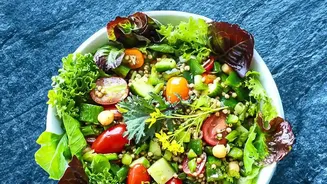
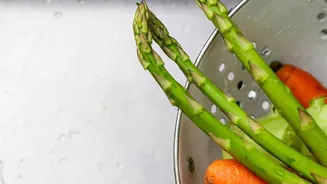
Proper washing is your first and most critical line of defence. A quick rinse is not enough, especially for leafy greens where dirt and microbes can hide in the folds. Start by rinsing all vegetables thoroughly under clean, running tap water to remove surface dirt. For leafy greens like spinach and lettuce, separate the leaves and immerse them in a bowl of cold water. Consider a second soak for 10-15 minutes in a solution to help reduce microbial contamination. You can use a salt water solution (one tablespoon of salt per litre of water) or a vinegar solution (one part white vinegar to three parts water). After soaking, rinse the vegetables again under running water and use a salad spinner or pat them completely dry with a clean cloth or paper towels. Excess moisture encourages bacterial growth, so thorough drying is essential.
Safe Cutting and Preparation Practices
Once your vegetables are clean and dry, it’s crucial to prevent cross-contamination in the kitchen. Always wash your hands with soap and water before handling produce. Use separate cutting boards and knives for raw vegetables and other foods, especially raw meat, poultry, and seafood. This prevents the transfer of harmful bacteria from other foods to your fresh salad ingredients. It's best to prepare salads just before you plan to eat them. Avoid buying pre-cut fruits and vegetables from roadside vendors, as they may have been exposed to contaminated water, dust, and flies for extended periods. The longer cut produce sits, the greater the opportunity for bacterial growth. If you must buy pre-cut, ensure it's from a reputable source where hygiene is maintained.
Smart Storage to Maintain Freshness and Safety
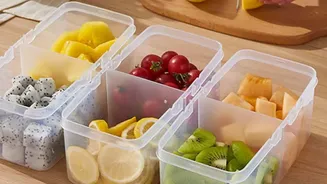
How you store your salad ingredients can make a significant difference in their shelf life and safety. After washing and thoroughly drying leafy greens, store them in the refrigerator in a clean, airtight container or a plastic bag lined with paper towels. The paper towels absorb excess moisture, preventing the leaves from becoming slimy while the container maintains humidity to keep them crisp. Keep salad greens in the crisper drawer, which is designed to maintain a higher humidity level. Store vegetables separately from fruits like apples and tomatoes, which release ethylene gas that can speed up spoilage. If you have leftover salad, refrigerate it promptly in a sealed container and consume it within a day. However, it's always safest and tastiest to consume salads immediately after they are prepared.
Choosing Your Ingredients Wisely
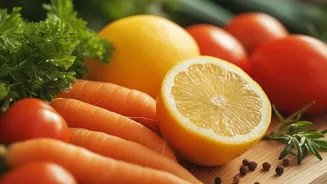
While proper handling can make most vegetables safe, some are inherently riskier during the monsoon. Leafy greens like spinach and cabbage, which grow close to the soil, can be harder to clean thoroughly. Similarly, dense vegetables like cauliflower and broccoli have many crevices where pests and germs can hide. If you have a weakened immune system or are particularly cautious, you might consider alternatives. Opt for vegetables with thick peels that you can remove, such as cucumbers (after a good wash), carrots, and radishes. Another safe option is to lightly steam or blanch your vegetables before adding them to a salad. A warm sweet potato and chickpea salad or a steamed beetroot salad can provide the same nutritional benefits and satisfaction with a lower risk.