




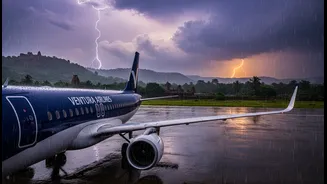


The Monsoon's Grip on Air Travel
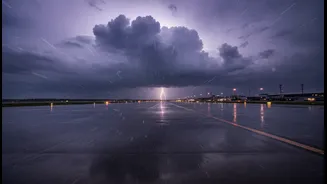
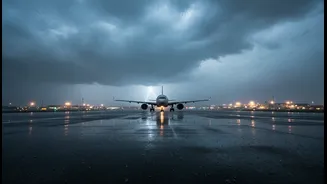
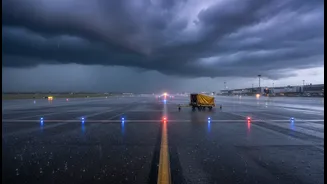
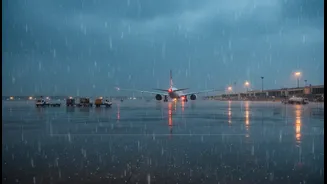
The Indian monsoon, which typically affects Eastern India between July and September, is more than just rain. For aviation, it brings a host of challenges that can ground flights and ripple delays across the network. At airports like Kolkata's Netaji
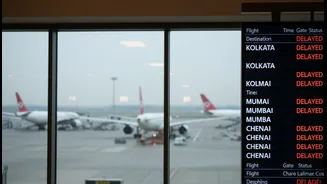
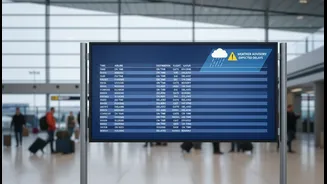
Subhas Chandra Bose International, heavy downpours can lead to temporary waterlogging on runways. More critically, monsoon weather is characterised by strong crosswinds, thunderstorms, and low visibility, all of which compromise the safety of takeoffs and landings. As seen on July 10, 2026, even a single day of heavy rain can prompt airlines to issue travel advisories, warning of system-wide disruptions to arrivals and departures. These delays are not just minor inconveniences; they cascade, turning a 30-minute morning delay into a multi-hour wait by the evening.
Decoding the 'Flight Buffer'
Simply put, a 'buffer' is extra time built into your itinerary to absorb unexpected delays. During the monsoon, this is non-negotiable. For a critical business meeting or a personal event like a wedding, the ideal buffer is arriving a full day early. This eliminates the stress of same-day travel and accounts for both flight delays and subsequent ground transport issues, as waterlogging can slow down city traffic considerably. For connecting flights, the standard 90-minute layover is insufficient. Experts recommend a buffer of at least three to four hours between flights during this season. A tight connection is a gamble when a single storm can lead to a missed onward journey. Planning with this extra time is the most effective strategy to safeguard your travel plans from collapsing due to a single weather event.
Plan Proactively: Your Pre-Flight Checklist
Smart planning begins long before you reach the airport. The single most effective tactic is to book a morning flight, preferably departing before 10 AM. Monsoon thunderstorms and heavy downpours tend to build up in the afternoon and evening, making morning skies generally clearer and less prone to disruption. Morning flights also avoid the 'cascading' delays accumulated throughout the day. When booking, consider opting for a 'flexible' fare. While slightly more expensive, these tickets often come with friendlier policies for rescheduling, a valuable asset during an unpredictable season. Finally, purchase travel insurance that specifically covers weather-related disruptions. This can help you recover costs for hotels or new bookings if your plans are severely altered.
On the Day: Travel Smart, Pack Smarter
Your travel day requires a proactive mindset. Before leaving for the airport, check your flight status directly with the airline via their app or website. Airlines are now required to notify passengers of delays, but checking yourself provides peace of mind. Given the likelihood of traffic snarls from rain, leave for the airport earlier than you normally would. Your packing strategy also needs a monsoon adjustment. Assume your checked baggage might be delayed. Pack your carry-on with essentials for an unexpected overnight stay: a change of clothes, any vital medications, a phone charger and a power bank, and some snacks. This preparation ensures that a delay or diversion doesn't turn into a crisis.
Know Your Rights When Delays Hit
While airlines are not required to offer cash compensation for delays caused by bad weather—a situation classified as 'force majeure' or an extraordinary circumstance—they still have a duty of care towards passengers. According to Directorate General of Civil Aviation (DGCA) rules, if your flight is delayed for two hours or more, the airline must provide you with free meals and refreshments. If a delay extends overnight, they are obligated to provide hotel accommodation and transportation. In case of a cancellation, the airline must offer you the choice of a full refund or an alternative flight. It is important to remember that the choice rests with you, the passenger, not the airline. If an airline is not proactive, don't hesitate to approach their ground staff to claim these entitlements.