






Understanding the Enemy: Moisture
The primary culprit behind a soft, disappointing fritter or pakora is excess moisture. When you mix vegetables into a batter, they naturally release water. This problem is compounded if you use fresh herbs, which also contain significant amounts of water. When this
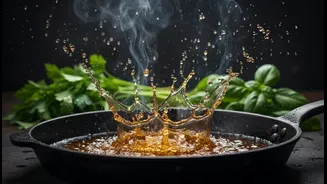
overly wet batter hits hot oil, the excess water turns into steam. Instead of a quick, crisp fry, the steam gets trapped inside, cooking the fritter from within and preventing the exterior from forming that desirable golden-brown crust. The result is a fritter that’s heavy, oily, and disappointingly soft.
The Dried Herb Solution
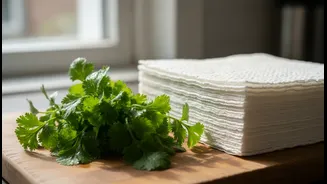
This is where your collection of dried herbs comes to the rescue. Unlike their fresh counterparts, dried herbs have had almost all of their water content removed. When you add them to your fritter batter, they act like tiny, flavourful sponges. They absorb the excess moisture released by the vegetables and any other wet ingredients. This seemingly small action has a huge impact. By reducing the overall water content of the batter before frying, you set the stage for a crispier outcome. The high heat of the oil can then work its magic on the surface, creating a crunchy shell rather than battling a wall of steam.
Choosing and Using Your Herbs
For Indian-style fritters like pakoras or bhajis, certain dried herbs work beautifully. Kasuri methi (dried fenugreek leaves) is a classic choice, imparting a distinct, aromatic flavour while soaking up moisture. Dried mint, oregano, or even a robust Italian seasoning blend can also work wonders. As a general rule, substitute one teaspoon of dried herbs for every tablespoon of fresh herbs a recipe might call for, as dried herbs have a more concentrated flavour. Add them directly into your dry flour mixture before introducing any wet ingredients. This allows them to distribute evenly and start their moisture-absorbing work immediately.
More Pro Tips for Ultimate Crispiness
While dried herbs are a fantastic trick, they work best as part of a complete crispy-fritter strategy. First, be stingy with water when making your batter; many vegetables release enough liquid on their own, especially if you let the batter rest. Adding a tablespoon or two of rice flour or cornstarch to your gram flour (besan) base can significantly enhance crunch. Ensure your oil is hot enough—around 175°C is ideal. If it's too cool, the fritters will absorb oil and become greasy. Fry in small batches to avoid overcrowding the pan, which causes the oil temperature to drop. Finally, once fried, let your fritters drain on a wire rack instead of a paper towel. This allows air to circulate and prevents the bottoms from steaming and turning soft.
The Science of the Perfect Bite
Achieving that perfect crunch is a science. When the batter hits the hot oil, the water on the surface evaporates almost instantly. This rapid dehydration forms a porous, rigid structure that becomes the crust. Ingredients like cornstarch aid this by gelatinizing quickly and reinforcing this crust. Leavening agents like baking powder can also help by releasing carbon dioxide gas, creating an even lighter, airier texture. By controlling moisture with dried herbs and ensuring a stable, high oil temperature, you are mastering the key variables in the science of frying to guarantee a satisfyingly crisp and delicious result every single time.