




Why Go Natural in Your Garden?
When your garden is just a step away from your living room, what you spray on your plants matters. Chemical pesticides can leave behind residues that are a concern for homes with children and pets. Natural, homemade solutions offer an effective and eco-friendly
alternative. They target common pests with minimal risk to your family and the beneficial insects that might visit your balcony, like pollinators. By choosing ingredients from your own cabinet, you take control of your garden's health in the safest way possible, ensuring your little green corner remains a source of pride, not worry.
Your First Defence: Soapy Water Spray
The simplest tool in your pest-control arsenal is a basic soapy water spray. It's surprisingly effective against a range of soft-bodied insects like aphids, mealybugs, and spider mites. The science is straightforward: the fatty acids in soap dissolve the insect's outer protective layer, causing it to dehydrate and die. However, not all soaps are created equal. Avoid using harsh detergents or dish soaps with degreasers, as these can strip the natural oils from your plant's leaves and cause damage. Your best bet is a pure, simple liquid soap, such as castile soap, that doesn't contain additives, fragrances, or dyes.
How to Make and Use Soapy Spray
Creating your own insecticidal soap is easy. A good starting ratio is one to two teaspoons of mild liquid soap per litre of warm water. Stir gently to combine without creating excessive foam. Pour the mixture into a clean spray bottle. Before drenching your entire plant, it's wise to perform a 'spot test'. Spray a small, inconspicuous leaf and wait 24 hours to see if there is any adverse reaction. For best results, apply the spray in the cool of the early morning or evening. Direct sunlight can cause the soapy water to burn the leaves. Ensure you thoroughly coat all parts of the plant, paying special attention to the undersides of leaves where pests love to hide. Some gardeners recommend rinsing the plant with plain water a few hours after application to remove any soap residue.
The Powerhouse Solution: Neem Oil
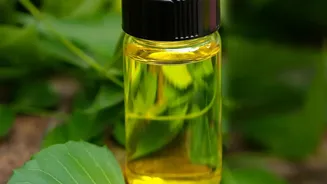
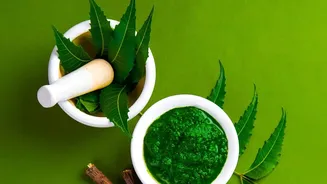
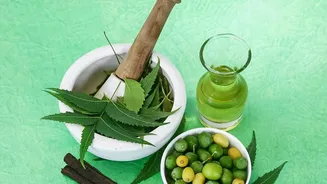
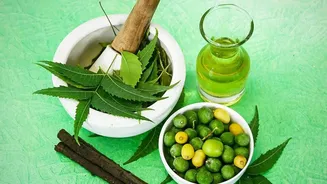
For a broader, more potent natural solution, turn to neem oil. Derived from the seeds of the Azadirachta indica tree, native to India, this oil has been used in gardening for centuries. Neem oil works in multiple ways. Its active component, azadirachtin, acts as a hormone disruptor, interfering with an insect's ability to grow and reproduce. It also functions as an 'anti-feedant', making treated leaves unpalatable to chewing pests. It's effective against a wide array of pests, including aphids, whiteflies, thrips, caterpillars, and even fungal diseases like powdery mildew and black spot.
Preparing Your Neem Oil Mixture
Neem oil is thick and doesn't mix easily with water, so you'll need to create an emulsion. To do this, you'll need a mild liquid soap to act as an emulsifier. A standard recipe for a gentle, all-purpose spray is to mix one to two teaspoons of cold-pressed neem oil with about half a teaspoon of mild liquid soap in a litre of warm water. Add the soap to the warm water first and mix, then slowly stir in the neem oil. Pour this into a spray bottle and shake vigorously. It's best to use the mixture within eight hours, as the components will begin to break down. Always shake the bottle periodically during application to keep the oil and water from separating.
Best Practices for Application
Timing and technique are crucial when using neem oil. Always apply it during the cooler parts of the day, such as the evening or early morning. Spraying neem oil in direct, hot sun can cause the oil to heat up and scorch your plant's leaves. Be thorough in your application, covering the entire plant from the top of the foliage down to the base of the stem, and be sure to spray the undersides of the leaves. For an active infestation, you may need to apply the spray every seven days. For preventative use, a spray every 14 days during the growing season is often sufficient. While neem is considered safe, it's best to avoid spraying open flowers to protect bees and other pollinators.