


The Bean-to-Bar Philosophy
The term 'bean-to-bar' signifies a profound shift in chocolate making. Unlike industrial producers who often use pre-made chocolate, these artisans control the entire process, from sourcing the cacao beans directly from farmers to the final bar. This
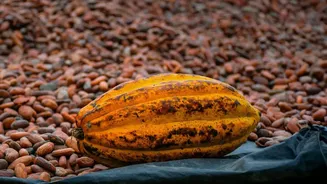
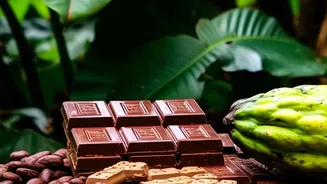
meticulous approach involves harvesting ripe pods, fermenting and drying the beans to develop flavour precursors, roasting to unlock specific notes, and then grinding, conching (a process of intense mixing), and tempering the chocolate to achieve a smooth, glossy finish. This hands-on method allows makers to celebrate the unique character of the cacao, ensuring that the terroir—the specific environment of where the bean was grown—shines through in every bite. This level of control and transparency is at the heart of the movement, connecting consumers directly to the chocolate's origin.
South India: The Cradle of Indian Cacao
The tropical climate of South India provides an ideal environment for cultivating Theobroma cacao, the tree that gives us chocolate. The primary growing regions are concentrated in the states of Kerala, Karnataka, Andhra Pradesh, and Tamil Nadu. For decades, Indian cacao was primarily grown for large corporations, but today, it is the star of the artisanal scene. The flavour profiles of Indian cacao are incredibly diverse, influenced by the soil and the surrounding crops. Cacao from Kerala, particularly the Idukki region, is known for its complex, fruity notes, often grown alongside spices like cardamom and pepper which subtly influence its flavour. Beans from Karnataka can have nutty or spicy undertones, while those from the Godavari region of Andhra Pradesh are prized for their fruitiness. This regional distinctiveness gives Indian bean-to-bar chocolate a unique identity in the global market.
Meet the Chocolate Makers
A growing number of passionate entrepreneurs are driving this trend. Brands like Mason & Co in Auroville, one of the pioneers, are known for their organic and vegan chocolates and for sourcing directly from farms in the South. In Kochi, Paul and Mike have gained recognition for their farm-to-bar process and innovative flavours, such as those using local fruits like sitaphal and jamun. Soklet, based near Coimbatore, takes the concept even further by being a 'tree-to-bar' maker, growing cacao on their own plantations. Other notable names like Manam Chocolate in Hyderabad, Bon Fiction in Andhra Pradesh, and Kocoatrait in Chennai are also making their mark, each with a unique philosophy but a shared commitment to quality, sustainability, and showcasing the potential of Indian cacao.
Reimagining Festive Gifting
In India, gifting sweets during festivals like Diwali, Christmas, and Eid is a deeply ingrained tradition. For generations, this meant boxes of mithai. However, consumer preferences are evolving. Artisanal chocolates are emerging as a modern, sophisticated alternative to traditional sweets. They offer a premium experience, come in elegant, eco-conscious packaging, and appeal to a wide audience. Chocolatiers are also tapping into the festive spirit by creating special collections and flavours that resonate with Indian palates, sometimes even reinterpreting heritage sweets into chocolate creations. This shift is not just about a new product; it represents a change in gifting culture, where local, high-quality, and thoughtfully made products are increasingly valued over mass-produced alternatives.